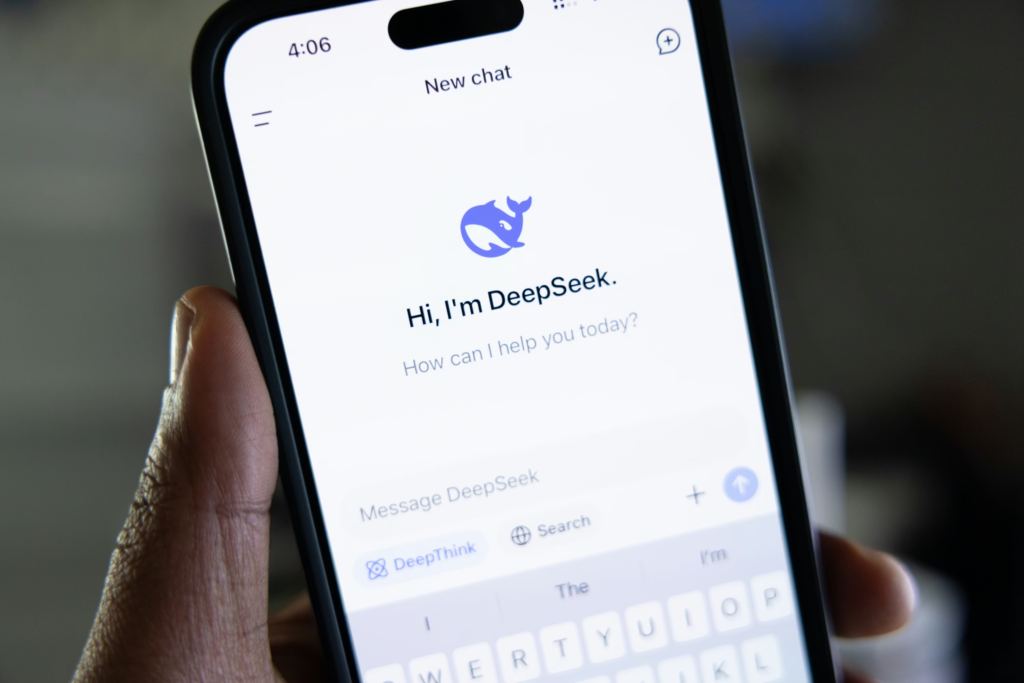
China’s fast-growing artificial intelligence platform DeepSeek AI experienced its most prolonged service disruption to date, underscoring the growing pains that often accompany rapid technological success. On March 30, 2026, users across the globe found themselves unable to access the chatbot for several hours, raising questions about infrastructure resilience and the increasing dependence on AI-driven systems in everyday digital workflows.
The outage, which lasted a total of seven hours and thirteen minutes, began in the early hours of Monday morning and was only resolved by 10:33 a.m. local time in Beijing. According to the company’s official system status page, the incident was classified as a “major outage.” While such labels are not uncommon in the tech world, the duration and timing of this disruption made it particularly notable, especially for a platform that has built its reputation on speed, accessibility, and innovation.
What makes this incident stand out is not just its length but the context in which it occurred. DeepSeek R1 and DeepSeek V3, the company’s flagship models, had propelled the platform into global prominence in early 2025. Their viral success transformed DeepSeek from a relatively unknown startup into a serious contender in the competitive AI landscape. Developers, businesses, and casual users alike quickly adopted the chatbot for tasks ranging from coding assistance to content generation and research support. With such widespread reliance, even a temporary disruption can ripple across industries.
Interestingly, the company chose not to disclose the exact cause of the outage, adhering to its internal communication protocols. This silence is not unusual in the tech industry, where companies often investigate incidents thoroughly before making public statements. However, the lack of immediate explanation inevitably fuels speculation. In general, outages of this scale can stem from a variety of factors, including server overloads, infrastructure failures, or software bugs introduced during system updates. Given the complexity of large-scale AI systems, even a minor glitch can cascade into a significant service interruption.
From a developer’s perspective, the outage highlighted a familiar vulnerability. DeepSeek’s API services, which allow developers to integrate the chatbot into their own applications, had previously faced disruptions during periods of high demand. In fact, historical data from the platform indicates that in late January 2025, during the peak of its viral adoption, API services experienced consecutive outages lasting nearly an entire day. Those incidents primarily affected backend integrations, but the main chatbot interface used by everyday users had remained relatively stable until now.
That stability made Monday’s event even more striking. For regular users who rely on the chatbot for quick answers, writing assistance, or problem-solving, this marked the first time the platform’s primary interface had been unavailable for more than two hours. The sudden absence of a tool many had come to depend on felt, to some, like losing access to a digital assistant mid-conversation. It served as a subtle reminder of how deeply AI has embedded itself into daily routines in a remarkably short period.
From an industry standpoint, this outage arrives at a critical moment. The global AI community is closely watching DeepSeek as it prepares for the next phase of its evolution. Expectations are high for its upcoming next-generation model, which many believe could push the boundaries of performance and efficiency even further. Yet, the company has remained tight-lipped about any release timeline, adding an air of anticipation and uncertainty.
There is also a broader narrative at play here, one that extends beyond a single company or incident. As AI platforms scale rapidly, they face increasing pressure to maintain uptime, ensure data reliability, and deliver consistent performance across regions. The more users depend on these systems, the higher the stakes become when something goes wrong. In that sense, DeepSeek’s outage is not an isolated event but part of a larger pattern seen across the tech industry, where innovation often outpaces infrastructure maturity.
At the same time, it would be unfair to view this incident purely as a failure. Rapid growth inevitably brings challenges, and even the most established technology companies have faced similar disruptions during periods of expansion. What matters more is how organizations respond, learn, and adapt. In many cases, outages serve as turning points that lead to stronger, more resilient systems in the future.
For users, the experience can be frustrating, especially when workflows are interrupted without warning. Yet it also encourages a degree of digital resilience. Many professionals who rely heavily on AI tools are beginning to adopt backup systems or alternative platforms, ensuring that their work does not come to a complete halt during unexpected downtimes. This shift reflects a maturing relationship between humans and technology, one where convenience is balanced with caution.
Looking ahead, the unanswered questions surrounding the outage linger. Was it a simple technical glitch, or does it point to deeper structural challenges within the platform’s architecture? Will the company provide more transparency in the future, or continue to maintain its current communication approach? And perhaps most importantly, how will this incident influence user trust as the platform prepares to roll out its next-generation model?