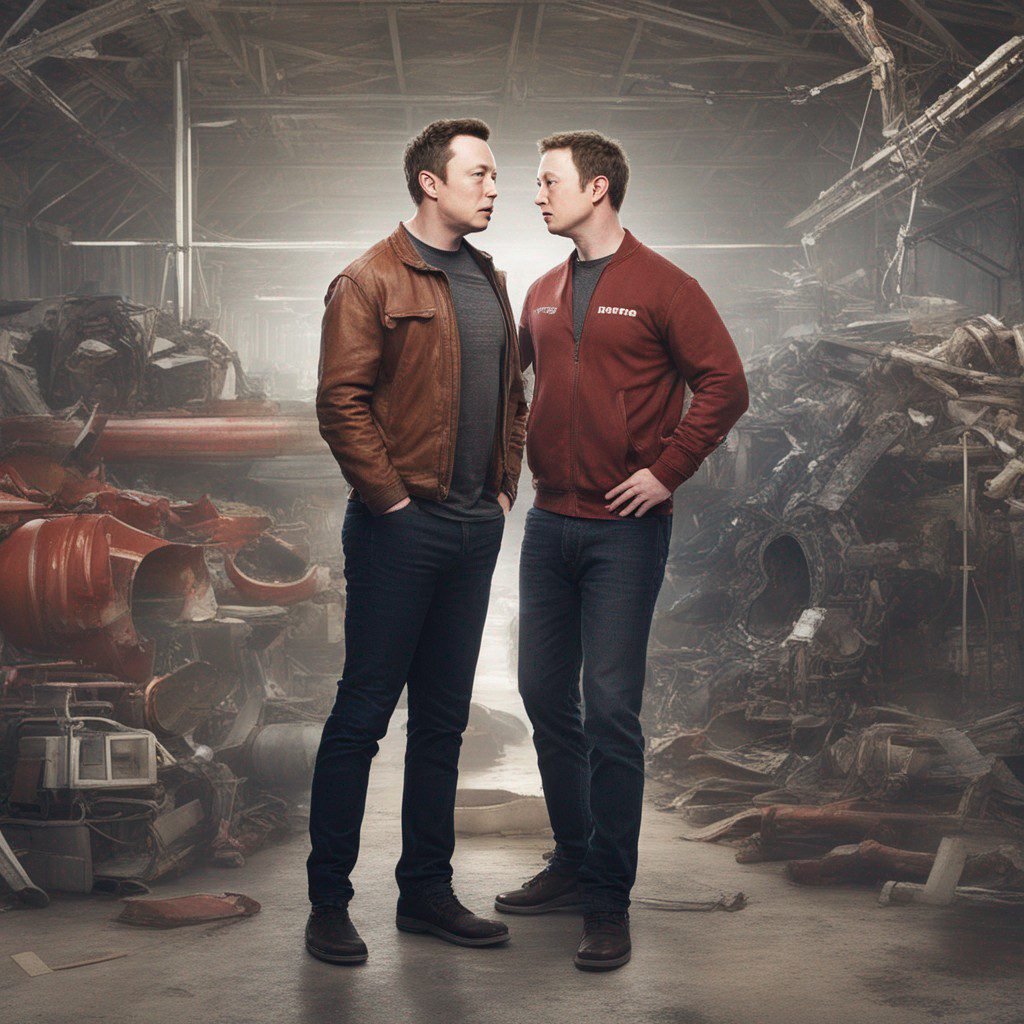
A potential merger between Elon Musk‘s rocket company SpaceX and electric vehicle maker Tesla may run into obstacles far thornier than the usual regulatory gauntlet. The deal, which Musk revived this week by calling a combination “a good idea” and confirming that committees at both companies are reviewing it, could become the largest merger in history and create a company worth roughly three and a half trillion dollars. Yet the real friction is likely to come from politics, with scrutiny building in Beijing and the prospect of a fierce battle between Washington and the Democrats.
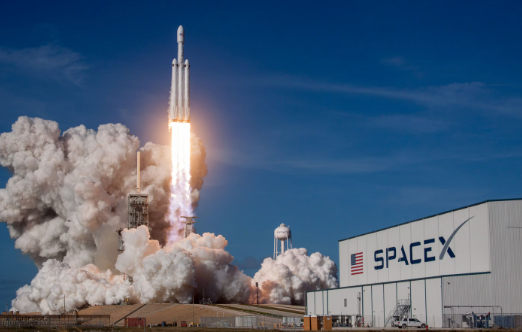
The core tension is not hard to see once you lay the two businesses side by side. SpaceX stands as one of the US government’s most important aerospace and defence contractors, deeply woven into national security infrastructure. Tesla, by contrast, is one of the most China-exposed major American manufacturers, with factories and a vast customer base in the world’s second-largest economy. Marrying the two would place those interests under a single corporate roof, a combination almost certain to raise questions about national security risks on both sides of the Pacific.
Analysts broadly agree that these concerns are unlikely to kill the deal outright. What they will do is leave the combined company exposed to years of political wrangling, with pressure mounting from both Washington and Beijing. Tesla’s China operations, in particular, could become a source of leverage for Beijing in any future dispute with the United States. That is a strange position for a company to occupy, simultaneously indispensable to American defence and deeply entangled with its principal strategic rival.
The political temperature is already rising. Democrats moved quickly to flag their concerns, signalling an intent to turn the merger into a flashpoint ahead of the November third midterms. Senator Cory Booker of New Jersey, who sits on both the Judiciary and Foreign Relations committees, warned that the deal would carry real risks that antitrust enforcers around the world would scrutinise. He went further, arguing that when one person controls the infrastructure governments and militaries depend on, his business decisions become national security decisions too. It is a pointed argument, and one that cuts to the heart of the debate over how much power any single individual should hold over critical systems.
A Democratic takeover of the US House of Representatives in next month’s midterm elections could subject the deal to congressional investigations and political manoeuvring, adding another layer of uncertainty to an already complicated transaction. Musk could try to defuse some of this by limiting how closely the two companies are integrated, keeping certain operations at arm’s length to soften the national security optics. That approach has precedents, though it also risks undercutting the very synergies a merger is meant to deliver.
The deeper threat may arrive later, if a future administration takes a harder line on the relationship between Tesla and a company increasingly tied to US national security. Political winds shift, and what looks acceptable today can become a liability under a different government with different priorities. A deal of this scale would take years to close and integrate, leaving plenty of time for the ground to move beneath it.
There is a certain irony in the situation. Musk has built two of the most consequential American companies of his generation, one reaching for Mars and the other reshaping the auto industry, and the greatest obstacle to combining them may not be antitrust law or financing but the simple fact that geopolitics does not care about synergy. Whether the merger ultimately proceeds may depend less on the merits of the business case than on who holds power in Washington and how far Beijing is willing to push back. For now, the deal remains a proposition rather than a certainty, and the political forces gathering around it may prove every bit as decisive as the balance sheets.