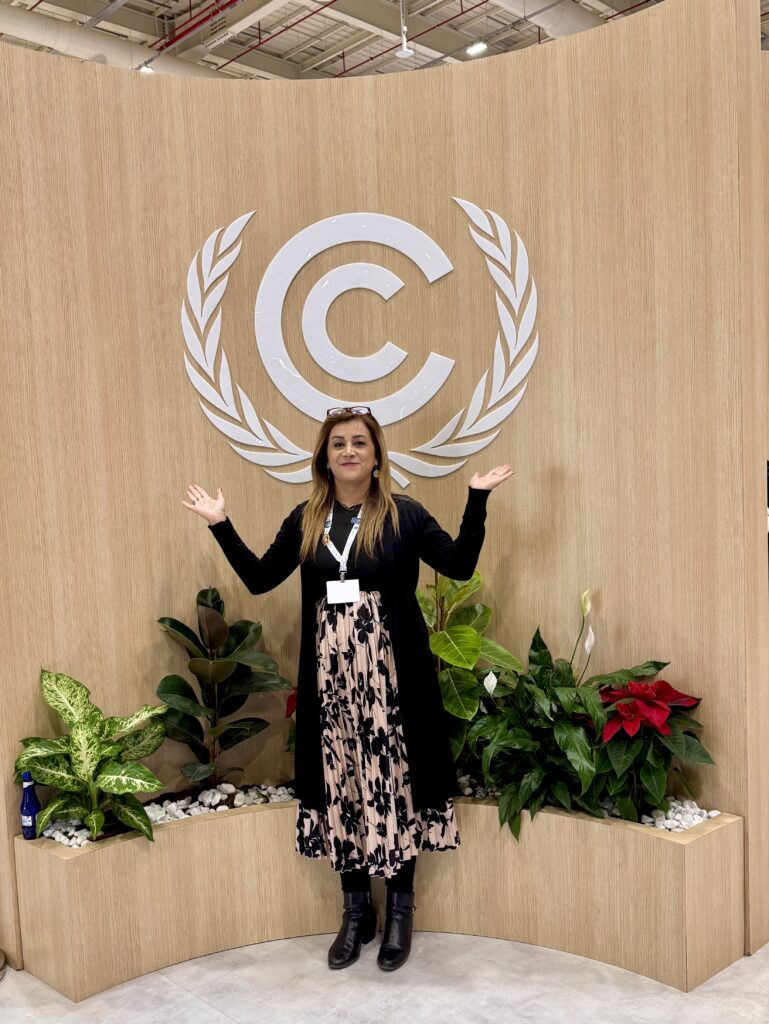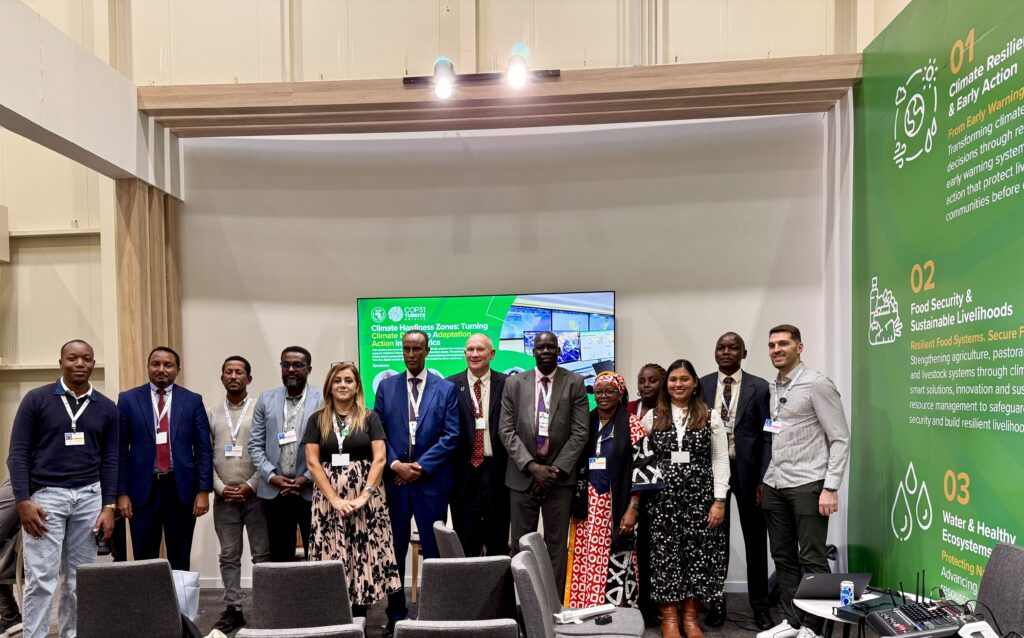
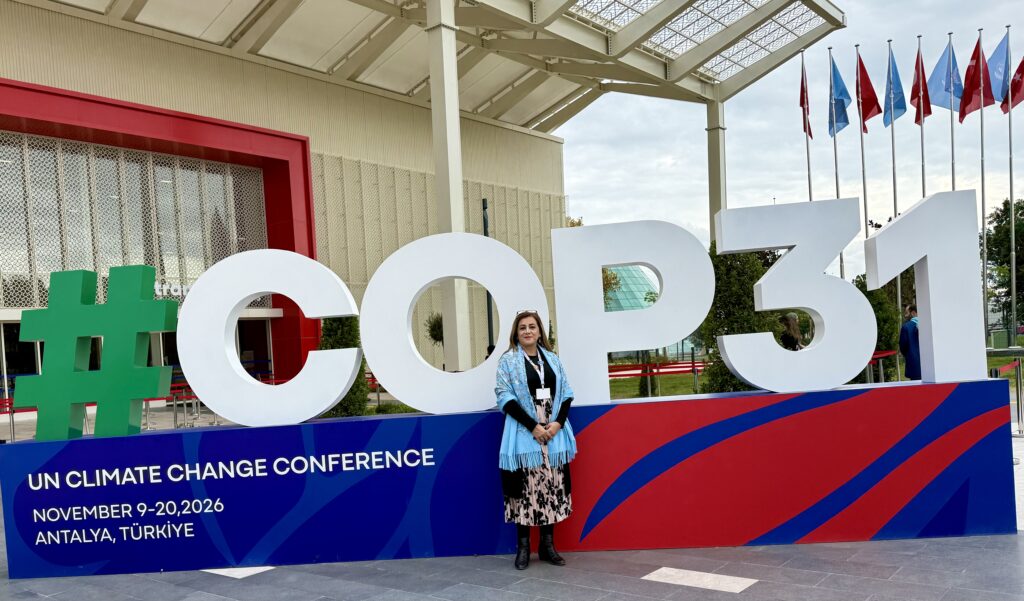
As the international community comes together to address the growing challenges of climate change, Prof. Shabnam Delfani is participating in COP31 in Antalya, Türkiye, joining a significant global platform bringing together world leaders, senior policymakers, government representatives, international delegates and leading climate experts. Her participation reflects a commitment to advancing international dialogue, encouraging meaningful cooperation and strengthening collective approaches to some of the most pressing environmental challenges.
COP31 provides an important setting for international engagement on climate action, bringing together perspectives from across governments, institutions and sectors to examine the policies, partnerships and practical measures needed to support a more sustainable future. For Prof. Delfani, being part of this global gathering represents an opportunity to exchange perspectives, engage in high-level discussions and contribute to the wider conversation surrounding environmental sustainability and international climate priorities.
Her areas of particular interest include strengthening international cooperation, advancing sustainable development and addressing interconnected global challenges such as climate finance, renewable energy, climate resilience and environmental protection. She also emphasises the importance of bringing greater attention to climate-related challenges involving water and sustainability, recognising that environmental concerns are closely connected and require coordinated international responses.
A central theme of Prof. Delfani’s perspective is that meaningful progress on climate change cannot be achieved through isolated efforts. It requires collective leadership, effective partnerships and a shared commitment to translating international discussions and commitments into practical, measurable outcomes. While global forums provide essential opportunities to establish common priorities and exchange knowledge, their long-term value ultimately depends on how these conversations translate into meaningful action at national, regional and international levels.
Reflecting on her participation at COP31, Prof. Delfani said:
“Being part of COP31 is an important opportunity to contribute to the global conversation on one of the defining challenges of our time. Climate change requires collective responsibility, stronger international partnerships and decisive action. Through dialogue and cooperation, we must work together to build a more sustainable, inclusive and resilient future for generations to come.”
Her message highlights an important dimension of international climate engagement: the need to move beyond declarations of intent towards sustained cooperation and tangible progress. Climate finance, access to renewable energy, environmental protection and resilience against climate-related risks all require collaboration between governments, policymakers, institutions and wider international stakeholders. Equally important is ensuring that sustainability discussions recognise the interconnected nature of climate, water and environmental challenges. As climate change continues to shape economic, social and environmental priorities worldwide, international platforms such as COP31 remain essential to bringing diverse perspectives into a shared conversation. Participation in these discussions offers an opportunity to exchange knowledge, strengthen partnerships and contribute to the collective understanding of how countries and institutions can respond more effectively to environmental challenges.
For Prof. Shabnam Delfani, her engagement at COP31 in Antalya represents an opportunity to support this broader international dialogue and reinforce the importance of cooperation in shaping a sustainable future. Her emphasis on collective responsibility, meaningful partnerships and measurable action reflects a forward-looking approach to climate leadership, one that recognises that the challenges facing the planet require not only international commitments, but also the determination to turn them into lasting progress.
As the global conversation on climate action continues, the message remains clear: building a sustainable and resilient future will depend on the willingness of the international community to work together, share responsibility and pursue solutions that benefit both present and future generations.
Prof. Delfani’s vision is that, climate change must also be recognized and addressed as a matter of national security, energy security and economic security for every country. Its impacts extend far beyond environmental degradation, increasingly affecting political stability, food and water security, public health, critical infrastructure and the livelihoods of communities. Extreme weather events, resource scarcity and disruptions to energy systems and supply chains can intensify existing vulnerabilities, create economic instability and undermine national resilience. At the same time, the transition to clean and sustainable energy is essential to strengthening energy independence, reducing exposure to global energy market volatility and creating new opportunities for economic growth and innovation. Therefore, climate action should not be viewed solely as an environmental responsibility, but as a strategic investment in the security, stability and long-term prosperity of every nation.