Google is set to make a major expansion of its artificial intelligence infrastructure in Finland, committing at least €13 billion, or about $15.1 billion, over the next two years. The investment represents the company’s largest commitment to Europe so far and highlights the growing importance of reliable, low-carbon electricity as technology companies race to build the computing capacity needed to support the rapidly expanding demand for AI.
The investment will include the development of three new data centres in northern Finland. The region offers several advantages for large-scale computing facilities, particularly its cold climate and access to relatively stable sources of low-carbon electricity. During the winter months, temperatures can fall well below minus 10 degrees Celsius, creating natural conditions that can help reduce the energy required to cool the powerful computer systems operating inside data centres.
Cooling has become an increasingly important consideration for technology companies. Modern AI systems require enormous amounts of computing power, and the servers used to run them generate substantial heat. Keeping those machines within safe operating temperatures requires sophisticated cooling infrastructure and significant amounts of electricity. In colder regions such as Finland, outside air can be used more efficiently as part of the cooling process, potentially reducing the need for energy-intensive mechanical cooling.
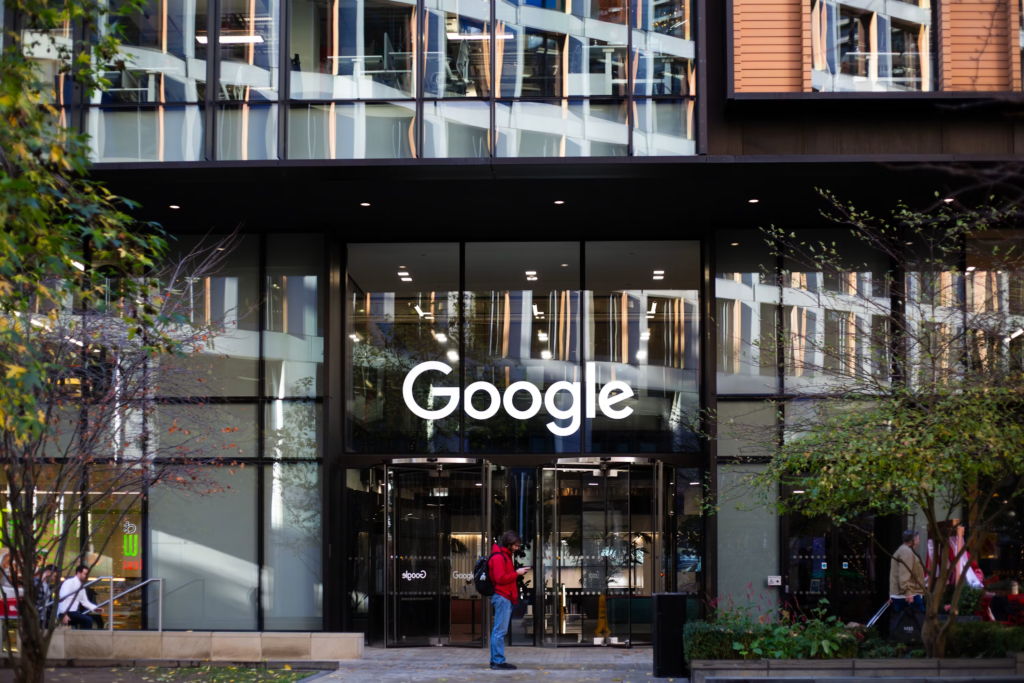
Google’s decision also reflects a wider shift in the geography of data-centre investment. As artificial intelligence becomes more deeply integrated into search, software, cloud computing and other digital services, technology companies are looking for locations that can provide dependable electricity at a large scale. The Nordic countries have increasingly attracted attention because of their cooler climates, established power networks and access to renewable and other low-carbon energy sources.
The Finnish investment goes beyond building new computing facilities. It also includes a significant long-term agreement involving nuclear power. Fortum, the Finnish energy company operating the country’s nuclear facilities, said Google has agreed to purchase electricity corresponding to as much as 50% of the output from one of Finland’s two nuclear power plants for a period of 22 years.
Such a long-term electricity purchase agreement can provide greater certainty for both sides. For Google, securing a substantial source of electricity over decades can help support the power requirements of its growing data-centre operations. For the power producer, a long-term buyer provides greater visibility over future demand and revenue, which can be valuable when planning investments and managing the operating life of a major nuclear facility.
The agreement also demonstrates how the growth of artificial intelligence is influencing energy markets. Data centres were already significant electricity consumers, but the rapid expansion of AI has increased concerns about how much additional power will be required to operate increasingly sophisticated models. Training and running large AI systems can involve huge computing workloads, making access to dependable electricity a central issue for companies building new infrastructure.
Finland offers an unusual combination of factors that makes it attractive for this type of investment. Its northern climate can support more efficient cooling, while its electricity system provides access to low-carbon power. The country’s existing nuclear generation is particularly important because nuclear plants can provide continuous electricity regardless of weather conditions, complementing intermittent renewable sources such as wind and solar power.
For Google, the Finnish project forms part of a much larger global push to expand its computing capacity. Alphabet, Google’s parent company, has substantially increased its planned spending as it competes for a larger share of the rapidly developing AI market. The company has indicated that its worldwide investment is expected to reach between $195 billion and $205 billion this year as it works to meet growing demand for AI computing.
The scale of the Finnish investment therefore needs to be viewed as part of a broader infrastructure race. Technology companies are no longer competing only on the quality of their AI models. They are also competing over access to data centres, advanced computer chips, electricity, cooling systems and the physical infrastructure needed to operate these technologies at scale.
Google expects the Finnish investment to provide a significant economic benefit to the country as well. The company estimates that its spending could add approximately €3.6 billion to Finland’s gross domestic product. Large data-centre developments can contribute to local economies through construction activity, infrastructure investment, employment and demand for supporting services, although their longer-term economic impact can vary depending on how much value remains within the local economy.
The project is also significant from Finland’s perspective because it strengthens the country’s position as a destination for technology infrastructure. At a time when European countries are seeking to attract investment in digital infrastructure while reducing dependence on fossil fuels, projects that combine computing facilities with low-carbon electricity can be particularly appealing.
Nuclear power is likely to remain an important part of that discussion. While nuclear generation produces very low direct carbon emissions during operation, building and maintaining nuclear facilities involves high costs, lengthy planning processes and complex regulatory requirements. The technology also remains the subject of public debate in many countries. Long-term electricity contracts such as the one involving Google and Fortum demonstrate how large energy consumers can become directly connected to the economics of nuclear generation.
For the technology industry, however, reliability remains one of the strongest arguments for securing nuclear electricity. AI data centres cannot easily tolerate interruptions in power supply, particularly when they are running computational workloads continuously. A stable electricity source can therefore be as important as the overall price of power.
The Finnish development also illustrates an increasingly visible relationship between the digital economy and the physical world. AI is often presented as a software revolution, but behind every AI service is a network of physical facilities consuming electricity, water, computing equipment and land. The bigger AI systems become, the more important those physical requirements are likely to become.
Google’s investment could consequently mark more than the expansion of its Finnish operations. It signals how the future of AI infrastructure may be shaped by geography and energy availability just as much as by advances in algorithms and computer hardware. Countries with reliable low-carbon electricity and favourable climates may find themselves competing for a larger share of the next generation of data-centre investment.