Robert Pattinson appears to be keeping his version of Batman closely tied to the dark and grounded world created by director Matt Reeves. As work continues on The Batman Part II, the actor has spoken about what it is like to return to the role and why moving his interpretation of Bruce Wayne into James Gunn’s wider DC Universe could be difficult. Pattinson’s comments highlight how strongly the atmosphere of Reeves’ Gotham has shaped his approach to the character.
Pattinson has become one of the most recognizable actors to take on the role of Batman in recent years. His portrayal in The Batman introduced audiences to a younger and more psychologically troubled Bruce Wayne, with the film placing greater emphasis on crime, investigation, grief and the darker corners of Gotham City. Rather than presenting Batman as an established superhero surrounded by a large group of colorful characters, Reeves’ film focused heavily on the character’s identity as a detective and his complicated relationship with the city he has sworn to protect.
That distinct tone has also become an important part of Pattinson’s experience as an actor. During a recent conversation about his latest film, Primetime, Pattinson was asked about the possibility of his Batman becoming part of the larger DC Universe being developed by James Gunn. The question also touched on how his relatively serious version of the character might interact with the brighter and more fantastical heroes who exist elsewhere in the DC franchise.
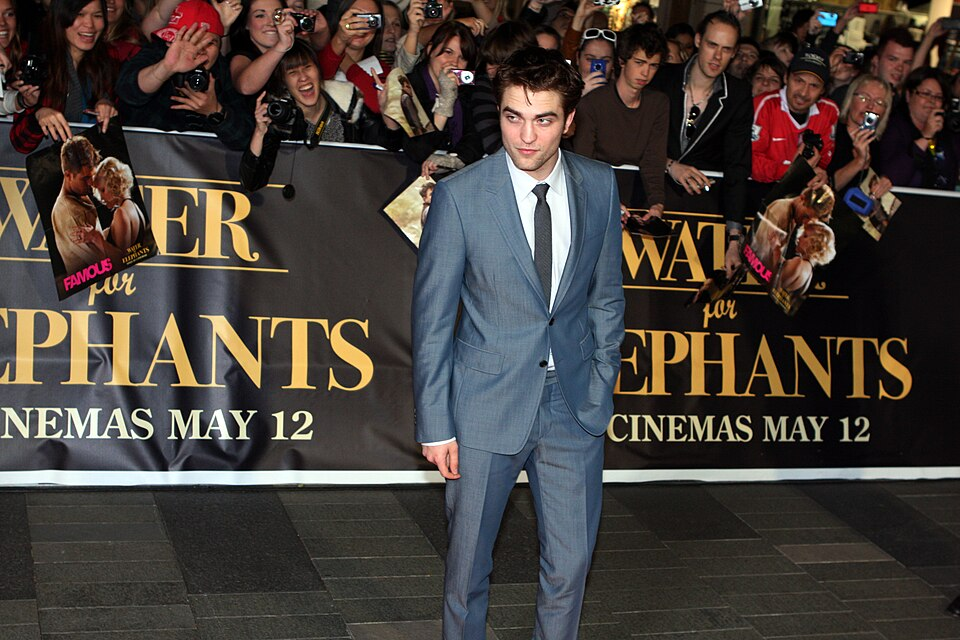
Pattinson responded with humor when discussing the contrast between his Batman and the lighter tone associated with some other DC characters. He joked that he would simply “make the other characters more serious.” The remark reflects the significant tonal difference between Reeves’ Batman films and the broader superhero world that Gunn is building.
The question of whether Pattinson’s Batman could eventually cross over with Gunn’s DC Universe has been a subject of considerable discussion among fans. The situation is complicated by the fact that Reeves’ Batman exists within a separate creative framework, while Gunn and Peter Safran are developing a connected DC Universe featuring multiple heroes and storylines.
For Pattinson, however, the issue appears to be more complicated than simply deciding whether he wants to participate in another superhero franchise. The actor explained that his interpretation of Bruce Wayne has become deeply connected to Reeves’ filmmaking style and the atmosphere established in the first movie.
“I think it would be kind of tough to have this version of Bruce outside of Matt Reeves’ world. It’s one of the only characters, I guess, because of the length of the shoots, but also it’s such a specific kind of thing; the tone of it gets inside you.”
He went on to describe the physical and psychological impact of spending long periods filming the character in an unusually dark environment.
“I remember that happened to me the last time I did it; it took a while. You’re just in the dark the whole time. Both mood-wise and light-wise, I can’t see anything for like months. It does affect you; you feel strange afterward.”
His comments provide an interesting look at what playing Batman can demand beyond the physical requirements of portraying a superhero. The Batman was deliberately built around a bleak visual style, with Gotham presented as a city filled with shadows, rain, crime and uncertainty. Much of Pattinson’s performance required him to operate within that atmosphere for extended periods, making the production experience closely connected to the character’s emotional world.
This is particularly relevant as The Batman Part II moves forward. Pattinson is expected to return as Bruce Wayne, with Matt Reeves continuing to guide the story and maintain the creative identity established by the first film. The sequel has generated interest not only because of the return of Pattinson but also because of its expanding ensemble cast and the possibility of exploring more of Gotham’s criminal and political landscape.
The Batman established a version of Bruce Wayne who was still learning what it meant to become a symbol for Gotham. Pattinson’s portrayal emphasized his isolation and anger while gradually showing the character beginning to understand that Batman could represent hope as well as fear. The sequel therefore has the opportunity to develop a character who is still relatively early in his transformation.
Pattinson’s other recent work also demonstrates the range of projects he has pursued outside the superhero genre. His latest film, Primetime, was released in theaters on September 25 and focuses on television personality Chris Hansen and the rise and decline surrounding the creation of the controversial To Catch a Predator series. The film explores the entertainment industry and the events surrounding the production of the program, giving Pattinson another opportunity to move into a very different type of role.
The actor discussed Primetime alongside his co-star Skyler Gisondo, with their conversation eventually turning toward Batman and the future of the character. The contrast between the two projects is notable. While Primetime deals with real-world television and the complicated personalities behind a controversial program, The Batman places Pattinson inside an entirely fictional world defined by crime, mystery and superhero mythology.
The Batman Part II also has an extensive cast attached to the project, including Jeffrey Wright, Andy Serkis, Colin Farrell, Scarlett Johansson, Sebastian Stan, Brian Tyree Henry and Charles Dance. Their involvement has added further attention to the next chapter of Reeves’ Gotham story, although details about the plot and the precise roles of several characters have remained closely guarded.
Pattinson’s comments do not necessarily close the door on every possible connection between his Batman and the wider DC Universe. Instead, they underline how specifically his interpretation has been built around Reeves’ version of Gotham. The actor’s remarks suggest that the character is difficult to separate from the atmosphere, visual style and filmmaking approach that have defined the role so far.