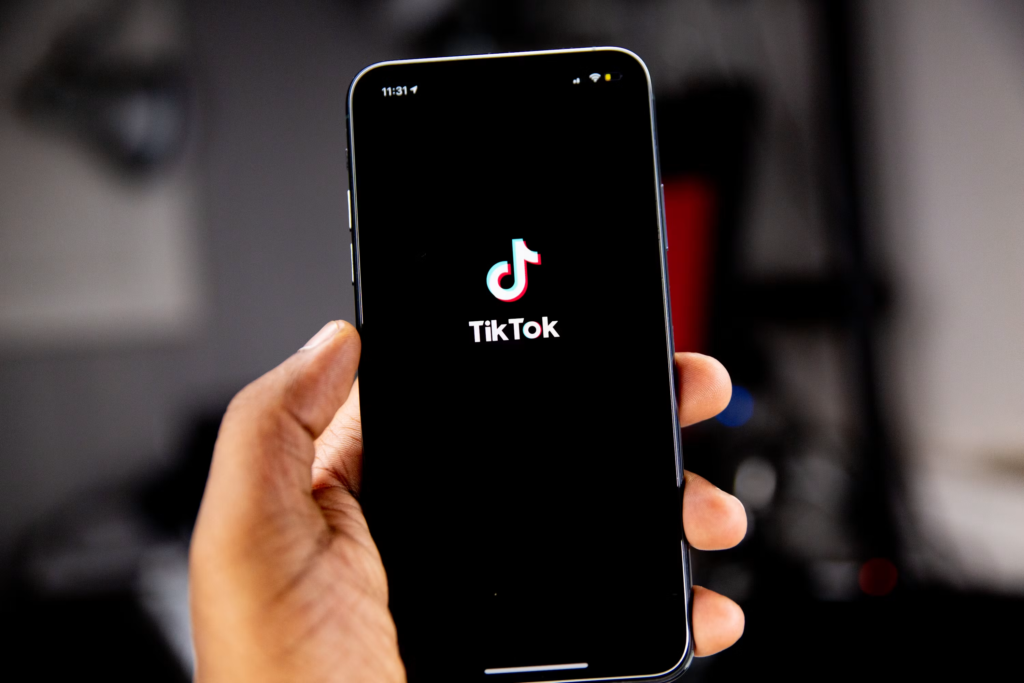
In a significant development that underscores the growing legal scrutiny of social media platforms and their impact on young users, TikTok has reached a settlement agreement with a minor plaintiff who alleged that the platform caused severe damage to his mental health. The settlement, confirmed by Morgan & Morgan, the law firm representing the plaintiff, marks a pivotal moment in what has become a broader legal battle over social media’s role in the youth mental health crisis. While the agreement has been reached in principle, the specific terms and conditions have yet to be finalized, leaving many questions unanswered about the scope and implications of this resolution.
The case, brought by a fifteen-year-old boy identified in court documents as R.K.C., represents a growing wave of litigation targeting major technology companies over their platforms’ effects on adolescent wellbeing. The lawsuit initially named four of the most prominent social media entities as defendants: Google’s YouTube, Meta’s Instagram, Snap Inc.’s Snapchat, and ByteDance’s TikTok. Each of these platforms has faced increasing criticism from parents, educators, and mental health professionals who point to mounting evidence linking social media usage to rising rates of depression, anxiety, and other mental health challenges among teenagers.
This settlement comes at a particularly significant juncture, arriving just before what was expected to be the second individual trial in California state court examining social media’s contribution to the youth mental health crisis. The legal landscape has been rapidly evolving, with courts increasingly willing to consider arguments that social media platforms bear responsibility for the psychological harm experienced by their youngest users. The California court system, in particular, has emerged as a key arena for these battles, with several high-profile cases working their way through the judicial process.
The plaintiff, who resides in Florida, reportedly began using social media at approximately eight years old, according to court filings. His legal team argued that his early and sustained exposure to these platforms led to a pattern of addictive behavior that significantly disrupted his life. The court documents detail how his usage escalated to the point where he lost substantial sleep, experienced deepening depression, and suffered from debilitating anxiety that affected his daily functioning and overall quality of life. The case highlighted the particular vulnerability of young users whose developing brains may be especially susceptible to the addictive design features built into many social media applications.
The broader context of this settlement cannot be understood without acknowledging the intense scrutiny that social media companies have faced in recent years over their business practices and platform design choices. Lawmakers, regulators, and advocacy groups have increasingly called attention to the algorithms and features that keep users scrolling, often at the expense of their mental health. The documentary evidence and internal research that have emerged through various legal proceedings have revealed that many companies were aware of these risks long before they became matters of public concern.
The legal strategy employed in this case reflects a sophisticated approach to holding technology companies accountable. Rather than pursuing a class action or seeking broad legislative remedies, the plaintiff’s legal team focused on demonstrating concrete, individualized harm caused by specific platforms. This approach has been met with varying degrees of success across different jurisdictions, with some courts embracing the arguments while others have been more skeptical about the causal connection between social media use and specific mental health outcomes.
As the case progressed, YouTube reached its own settlement in June, while Instagram and Snapchat remain scheduled for trial in July. This piecemeal resolution pattern has created an interesting dynamic in the litigation landscape, with each platform facing the prospect of defending its practices individually. The decision by TikTok to settle rather than proceed to trial may reflect a calculation about the risks and costs of prolonged litigation, particularly given the intensely personal nature of the allegations and the potential for unfavorable publicity.
Throughout the proceedings, the legal representatives for the various platforms have maintained that their clients operate within the bounds of applicable regulations and have implemented various safety features designed to protect young users. However, critics have pointed out that these measures often appear reactive rather than proactive, implemented only after public pressure or legal action forces change. The internal documents that have surfaced in these cases have sometimes suggested that companies were aware of harmful effects on minors but prioritized engagement metrics and revenue growth over user wellbeing.
The settlement announcement comes at a time when the broader tech industry is grappling with increasingly stringent regulatory environments both in the United States and internationally. Governments around the world have been exploring various approaches to regulating social media, from age verification requirements to restrictions on algorithmic promotion of content to minors. The United States, while lacking a comprehensive federal framework, has seen numerous state-level initiatives aimed at addressing the youth mental health crisis as it relates to social media use.
The mental health implications of social media use among adolescents have been the subject of extensive research and public debate. Studies have produced somewhat mixed results, with some finding clear correlations between heavy social media use and negative mental health outcomes, while others have struggled to establish definitive causation. The complexity of this issue stems from the difficulty of isolating social media’s effects from the myriad other factors that influence adolescent mental health, including family dynamics, school pressures, and broader social and economic conditions.
Parents and educators have been particularly vocal about the challenges of managing children’s social media use in an environment where these platforms have become nearly ubiquitous in young people’s lives. The addictive qualities of social media, carefully engineered to maximize engagement through variable rewards and social validation, present unique challenges for developing minds. Many parents have reported feeling ill-equipped to navigate this landscape, caught between concerns about their children’s safety and the social pressures that make complete abstinence from these platforms impractical.z