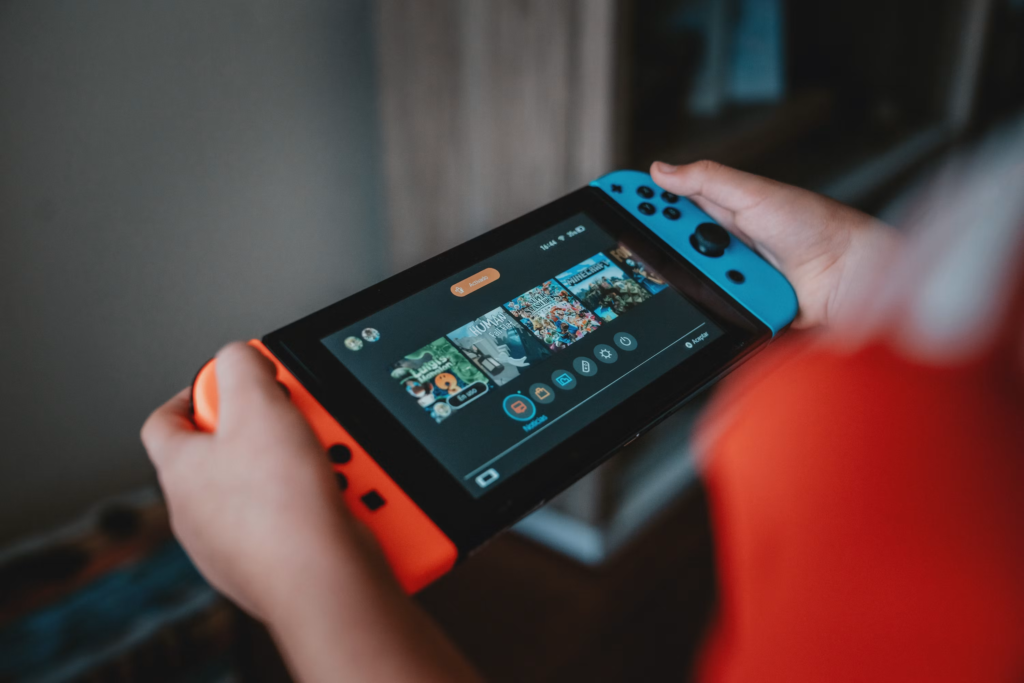
The Japanese gaming giant Nintendo has officially confirmed its entry into Indonesia’s gaming market, announcing plans to launch both the Nintendo Switch and Nintendo Switch 2 consoles across the archipelago this December. This strategic move marks the company’s first official presence in Southeast Asia’s largest economy, signalling a significant shift in how Indonesian gamers will access the popular hybrid gaming devices. Until now, Nintendo products have primarily circulated through unofficial channels, leaving both consumers and industry observers uncertain about pricing structures and after-sales support.
For years, Indonesian gaming enthusiasts have relied on grey market imports and unofficial distributors to get their hands on Nintendo consoles and game cartridges. This unofficial ecosystem, while keeping products available, has created considerable ambiguity around pricing mechanisms and left consumers without proper warranty coverage or reliable customer service. The upcoming official launch promises to transform this landscape entirely, offering Indonesian gamers authentic products with full manufacturer support. A local game developer, Adam Ardisasmita, noted that the current unofficial distribution channels have made pricing mechanisms unclear, highlighting the need for a more structured retail environment.
The announcement comes at a time when Indonesia’s gaming sector is experiencing unprecedented growth, with the market now valued at approximately 30 trillion rupiah, equivalent to about 1.68 billion US dollars annually. This positions Indonesia as the largest gaming market in Southeast Asia, yet domestic game developers currently capture only around 2.5 percent of that spending. The introduction of official Nintendo products through legitimate channels could potentially reshape this dynamic, creating new opportunities for local developers and content creators to engage with one of the world’s most influential gaming platforms.
The Salim Group, one of Indonesia’s most prominent conglomerates, has been appointed as the official distributor for Nintendo consoles in the country. Through its subsidiary, the group will handle the distribution network, ensuring that Nintendo products reach consumers through proper retail channels across the Indonesian archipelago. According to statements from Axton Salim, as reported by the state news website Antara, the subsidiary will collaborate closely with Nintendo to establish an official repair centre and comprehensive customer service infrastructure. This commitment to after-sales support represents a significant departure from the current grey market situation, where consumers have little recourse if their devices encounter technical issues.
Indonesia’s Ministry of Creative Economy has welcomed Nintendo’s decision, viewing it as a positive development for the country’s creative industries. Irene Umar, the vice-minister for creative economy, expressed on social media platform Instagram that permitting Nintendo to sell its products through official channels would help address copyright violations that have plagued the market. The vice-minister also indicated that the government is actively working to make Nintendo’s developer kit available to local developers, potentially opening doors for Indonesian game creators to develop content for the platform. This initiative aligns with broader government efforts to boost the domestic creative economy and position Indonesia as a regional hub for digital content creation.
The timing of Nintendo’s market entry is particularly noteworthy given the recent launch of the Switch 2, the hybrid home-portable console that hit global markets in June 2025. The company has set ambitious sales targets for the new device, projecting sales of 16.5 million units in the current business year running through to March 2027. Including Indonesia in this global rollout strategy demonstrates Nintendo’s recognition of the region’s growing importance in the worldwide gaming ecosystem. The hybrid nature of the Switch and Switch 2 consoles, which function both as home gaming systems and portable devices, makes them particularly well-suited for the Indonesian market, where mobile gaming has historically dominated.
Industry analysts view Nintendo’s official entry as a calculated response to the changing dynamics of the Southeast Asian gaming market. With Indonesia’s young, tech-savvy population and rapidly expanding middle class, the country represents a significant growth opportunity for global gaming companies. The official launch could potentially stimulate the entire gaming ecosystem, encouraging more investment in local game development studios, esports infrastructure, and retail networks dedicated to gaming products. The establishment of proper distribution channels might also help stabilise pricing, making Nintendo products more accessible to a broader segment of the Indonesian population.
However, challenges remain for Nintendo’s Indonesian venture. The company will need to navigate the archipelago’s complex logistics landscape, ensuring that products reach consumers across thousands of islands efficiently. Additionally, pricing strategies will require careful consideration, as Indonesian consumers have shown sensitivity to price points in the gaming market. The company must also compete with established gaming platforms and mobile gaming options that have already captured significant market share in the country.
The presence of counterfeit products and copyright violations has been a persistent issue in Indonesia’s gaming market, as highlighted by Vice-Minister Irene Umar. Nintendo’s official entry, coupled with government support for addressing intellectual property concerns, could gradually reduce the prevalence of unauthorised products. This transition benefits not only Nintendo but also Indonesian consumers who deserve access to authentic gaming experiences with proper manufacturer backing.
Looking at the broader implications, Nintendo’s decision could encourage other major gaming companies to strengthen their presence in Indonesia. The country’s gaming market, while already substantial, still holds considerable untapped potential. As local developers begin to access development kits and official support channels, we may see a surge in locally created gaming content that reflects Indonesian culture and stories, potentially reducing the country’s reliance on imported games. The establishment of official repair centres and customer service operations also suggests a long-term commitment to the Indonesian market, moving beyond simple product distribution to building lasting relationships with consumers.
The success of this venture will likely depend on how effectively Nintendo and its local distribution partner can build trust with Indonesian consumers who have grown accustomed to navigating the grey market. Clear communication about pricing, warranty policies, and product authenticity will be essential. The company must also invest in marketing campaigns that resonate with Indonesian gaming culture while maintaining its global brand identity.