For years, the conversation surrounding diversity and representation in Hollywood has largely been placed on the shoulders of the very people it seeks to include. In an industry that prides itself on forward-thinking storytelling, the irony is almost palpable: the burden of solving systemic exclusion is routinely handed to those who have historically been excluded. Zoe Saldana, one of the most recognizable and bankable stars of the modern blockbuster era, is no stranger to this paradox. Sitting down for a conversation at the Locarno Film Festival, the actress made it abundantly clear that she is exhausted by a dynamic she considers not only unfair but fundamentally counterproductive. At forty-eight, having navigated the often unforgiving corridors of the entertainment industry for decades, Saldana has earned the right to speak candidly about the structural failures that persist behind the camera. Her recent remarks cut through the pleasantries of press junkets and red-carpet etiquette, offering a sharp critique of the media’s role in perpetuating a flawed narrative about inclusivity.
Saldana articulated a frustration that many women of color in the industry harbor but rarely voice with such directness. She addressed the “incredibly limited and frustrating” expectation that she, and others like her, must serve as the de facto spokespersons for diversity whenever they are in a room. The actress pointed out the uncomfortable reality that she is frequently the only person of color or the only woman on a panel or at a press event, yet when the questions turn from craft to politics, the microphone is inevitably pointed in her direction. She argued that the media and the public often bypass the decision-makers—the executives, producers, and studio heads who hold the real power—and instead demand answers from those who are simply trying to do their jobs. In her view, the relentless focus on asking marginalized individuals about systemic change only reinforces the very marginalization it purports to address. It places a burden on talent to solve issues that are, by definition, the responsibility of leadership.
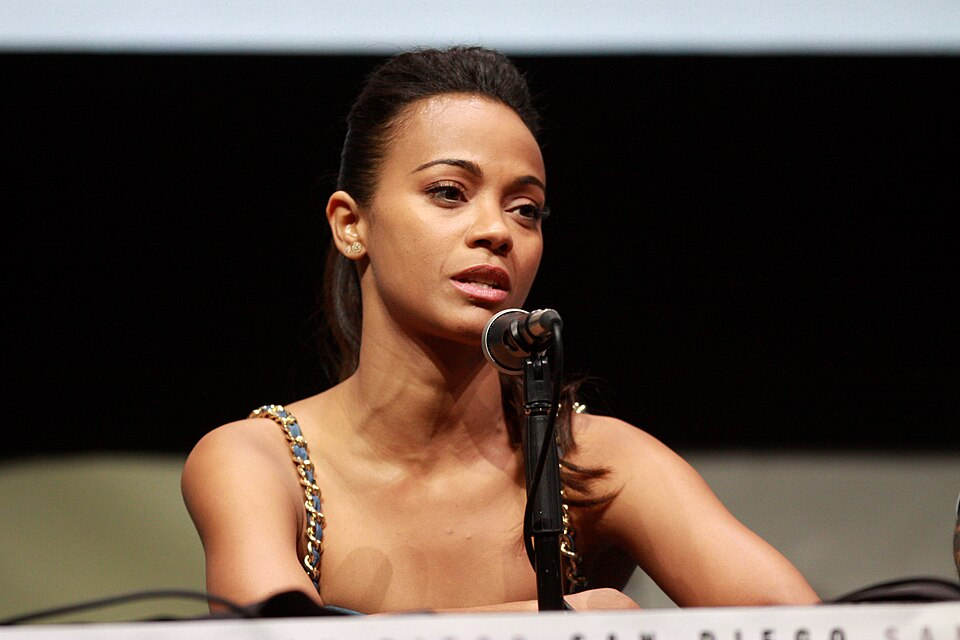
The actress’s challenge to the status quo raises a critical question: Why are the gatekeepers not the ones facing the heat? Saldana suggested that if journalists and the public truly want to see a more inclusive industry, they must redirect their inquiries to the “other eighty percent” of the room—the predominantly white, male executives who control the flow of green lights and budgets. She argued that demanding solutions from a single person of color in a sea of decision-makers is not only inefficient but also reveals a deep-seated reluctance to hold those in power accountable. Instead of pushing for incremental change by quizzing actors about their personal experiences with bias, she proposed a more radical shift in focus. The question should not be what she thinks needs to be done, but rather what those who hold the keys to the kingdom are actively doing to change the landscape. The frustration in her voice was palpable, a reflection of years of navigating a system that asks for her labor without guaranteeing her a seat at the head of the table.
Saldana’s remarks at the Locarno Film Festival were not delivered in a vacuum. The entertainment industry has been undergoing a reckoning for the better part of a decade, with movements like #MeToo and #OscarsSoWhite pushing diversity and equity to the forefront of public discourse. Yet despite the increased awareness, the data often tells a story of stagnation. Progress has been made in certain areas, but the top tiers of studio leadership remain largely homogeneous. Saldana’s critique taps into a broader weariness felt by many working actors who feel that the industry’s performative allyship has not translated into structural change. The “gatekeepers,” as she calls them, continue to make the crucial decisions about which stories get told and who gets to tell them, while actors of color are left to field questions about why the system is broken. It is a dynamic that places an emotional and intellectual tax on those who have already fought to gain entry, forcing them to continually justify their presence.
Just months prior to her comments in Switzerland, Saldana found herself at the epicenter of a very public controversy regarding the film Emilia Perez. Moments after winning the Academy Award for Best Supporting Actress in 2025, the question posed to her was not about the craft of acting or the triumph of the moment, but about the film being perceived as “really hurtful for us Mexicans.” In that high-pressure environment, she offered an apology to those who felt offended but stood firm in her conviction that she did not share the opinion that the film was ultimately hurtful to the community. This incident perfectly illustrates the exhausting tightrope that Saldana and her peers must walk. Instead of celebrating a historic career achievement, she was forced to navigate a complex cultural conversation in real-time, managing a narrative that had little to do with her performance and everything to do with broader societal debates over representation and authenticity.
When Saldana stated that she is tired of being the only person asked these questions, she was speaking to a larger issue about the way the industry commodifies identity. There is a certain irony in asking a Black Latina actress to solve the problem of inclusion when the very structures that have historically limited her opportunities are still in place. The actress’s plea to “ask the gatekeepers” is a call for accountability that targets the root of the problem rather than its symptoms. It challenges the media to rethink its approach to coverage, moving away from placing marginalized individuals on the defensive and instead pushing decision-makers to articulate their plans for change. By framing the conversation this way, Saldana effectively flipped the script, using her platform to expose the cowardice of a press corps that often finds it easier to ask a difficult question of one person than to demand transparency from an entire system.
This sentiment resonates deeply within the entertainment industry, where the psychology of press junkets often dictates the flow of conversation. For an actor of color, the political question is frequently inevitable. It is a default setting for interviewers who may feel that they are being socially conscious by asking about diversity, but who ultimately fail to realize that they are engaging in a form of tokenization. The query suggests that the actor’s primary value in that moment is their identity, rather than their artistic contribution. Saldana’s frustration is rooted in the fact that her colleagues—who are often not from marginalized backgrounds—rarely face similar scrutiny regarding systemic privilege. By enduring this treatment repeatedly, actors of color are forced to work “double to be in a room,” as Saldana put it, having to prove their artistic merit while simultaneously bearing the emotional weight of explaining systemic inequality.