Filmmaker, actor, writer and disability advocate Dashiell Meier is building a creative career around a powerful idea: stories can entertain while changing the way audiences see disability. From starring in the upcoming sports drama 21 Downto developing films about Down syndrome, Meier is using both sides of the camera to broaden representation and create space for stories that have too often been overlooked.
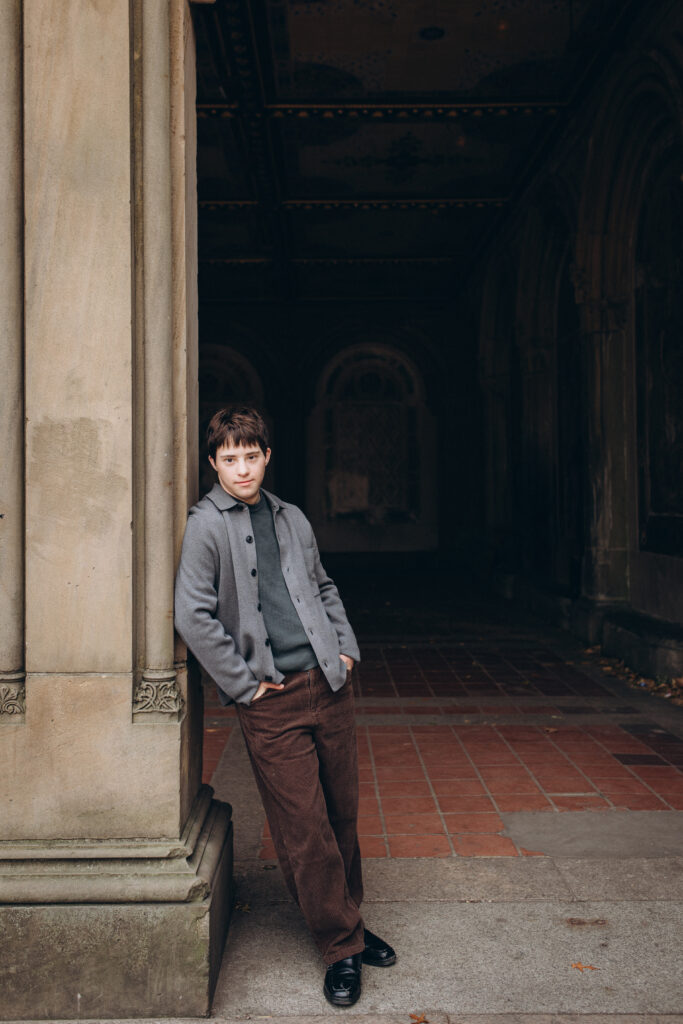
Dashiell Meier is a multifaceted filmmaker, disability advocate, public speaker and athlete whose work spans film scripts, storyboards, comics, novels, animation and documentary filmmaking. Across those different formats, a consistent thread runs through his work: authentic representation of people with Down syndrome and intellectual and developmental disabilities.
His on-screen experience includes film, theatre and commercials, and he is set to take a leading role alongside Ashley Judd in the upcoming sports drama 21 Down. Behind the camera, Meier wrote and directed the short thriller Day 21, also serving as co-writer and co-editor. The film screened at festivals including HollyShorts, Heartland and Voices Rising, while his performance earned him Best Actor at the 2025 Easterseals Disability Film Challenge. His mini-documentary This Is Me was also recognised with the Audience Choice Best Documentary Short award at the BraveMaker Film Festival.
Beyond filmmaking, Meier’s advocacy has taken him to platforms including the United Nations, the U.S. Department of Education and Stanford University. Named the 2025 National Down Syndrome Ambassador of the Year, he has also worked as a Global Ambassador, Athlete Leader and Health Messenger for Special Olympics. As an athlete, he travels nationally and internationally as a goalkeeper for the U.S. National Down Syndrome Futsal Team and Special Olympics Unified San José Earthquakes.
Now, as he continues developing new projects including the feature-length documentary Worthy and animated short 3-2-1, Meier is bringing together filmmaking, advocacy, sport and lived experience to challenge assumptions about disability.
In this interview with Influencer Magazine UK, Dashiell Meier discusses the creative process behind his films, portraying Caden Cox in 21 Down, why advocacy and storytelling are inseparable for him, and what he hopes audiences will learn from the projects he is creating next.
You’re a filmmaker, actor, writer, and advocate who works across live-action, animation, and documentaries. What draws you to such different genres, and how do you decide which story is best told through which medium?
What draws me to different genres is a desire to want to tell different kinds of stories. When I create a story, I think about a cool way to visualize my idea. A big part of that is the genre. When you create a story, you want to choose a genre that supports it. I tend to have similar themes in my films, so it’s fun to experiment. I love watching narrative movies, animation and documentaries, so it’s fun to try to make things similar to films I admire.
You’re set to star alongside Ashley Judd in the upcoming sports drama 21 Down. What drew you to this specific project, and what aspects of your own experience are you bringing to your lead role?
21 Down is a story about Caden Cox who is the first man with Down syndrome to score in a college football game. One of the best parts of being in the film was meeting Caden and his family. He is a phenomenal person, and I feel honored to get to play someone who I look up to so much. Caden and I have a lot in common, not just having Down syndrome. We love movies and sports, so we connected. There are a lot of struggles when you have a disability, and I’ve been through similar battles, so I was able to bring that to the film. I didn’t grow up playing football, but I did play soccer as a goalie, so that definitely helped!
As someone who both acts and works behind the camera as a writer and director, how does your perspective shift when you’re on set? Do you approach a project differently depending on which hat you’re wearing?
Definitely. For acting, you are more focused on your character, lines and blocking and listening to the director. But when you are directing, you are in charge of getting the best performances and making sure everyone is safe and having fun. I learn a lot from the professional directors when I am acting, and I try to ask questions so I can improve my own films. I think directing makes me a better actor and I am a better director because I have acted.
You host the YouTube talk show Playing Favorites and are launching a new interview series focused on Trisomy 21/Down syndrome. What inspired you to create these platforms, and what do you hope audiences take away from them?
My family helped me start Playing Favorites when I was in school because they saw how much I love to talk with people and learn about them. Meeting my guests and finding out about their favorite things is so much fun. On that show it’s all about connecting with people about something that people might not know about them.
For my upcoming show Try21, I want to help people with Down syndrome and their families learn about topics that might help them. For example, in one episode I learn why it’s important for people with Down syndrome to get treated for sleep apnea. I talk with a doctor about it and then show how I wear my CPAP machine. I also try new things to show people that we aren’t limited by the fact that we have a disability. I try to share important information in a fun way.
You’ve spoken at the United Nations, the U.S. Department of Education, and Stanford University on disability advocacy. How do you see your work as a storyteller intersecting with your role as an advocate and is one more powerful than the other in driving change?
Since I’m an advocate and storyteller, they go hand in hand. I love public speaking, and it is important to me to share my ideas and experiences. Some people with Down syndrome can’t speak up, so it’s important for me to use my voice.
I view my films as an extension of my advocacy. You can reach a wider audience through films, or a different audience. By telling stories that have characters with Down syndrome, I can show people that we are so much more than our disability.
You’re also an accomplished athlete, playing as a goalie for the U.S. National Down Syndrome Futsal Team and the Special Olympics Unified San José Earthquakes. How does your life as an athlete inform your creative work, particularly in developing a sports drama?
Playing soccer definitely helped me play Caden in 21 Down. I am a goalie, so I could kick a soccer ball, so I just had to translate that to kicking a football. It helps to be fit to be able to work as an actor in general. Sports build teamwork and working on a set is similar where everyone works together to reach a goal.
You’re currently developing a feature-length documentary on the history of Down syndrome and an animated short called 3-2-1. What core messages are you hoping to convey with these two very different projects, and what has surprised you most in the process of creating them?
Worthy, my feature documentary, explores the question of why people think Down syndrome is a bad thing, when I see my disability as a gift. It is hard to make this film because a lot of the history is really terrible and depressing, but we need to understand the past to move forward. A lot of people don’t know this history because it is not taught in school.
My animated short 3-2-1 is a more fun way to show the same idea that people with Down syndrome are amazing and have worthwhile lives. I have a great team helping me. It’s very difficult to make an animated movie, but that’s my passion.
It’s surprising how much work it takes to make a film! I’m an explore-the-possibilities kind of person. Sometimes I can be too confident in my ideas and the scale of what I want it to be. Sometimes you need a reality check to your vision, but still keep making the projects.
You’ve earned awards for your acting and filmmaking, including Best Actor at the Easterseals Disability Film Challenge. What does that recognition mean to you, and how does it shape what you want to do next?
Winning awards is great, but I can’t take all of the credit for my success because I have a lot of people in my life who help me. Awards show people that I can do things because a lot of people assume I can’t do things just because I have a disability. I believe through storytelling in any medium, I can show the world that when communities come together, we can build a much better future.
Storytelling Without Limits
For Meier, the connection between filmmaking and advocacy is not simply a theme running through his work; the two are part of the same mission. Whether he is portraying a real-life athlete, directing a thriller, examining the history of Down syndrome through documentary, experimenting with animation or speaking before an international audience, storytelling gives him another opportunity to challenge expectations.
His growing body of work also reflects something broader about representation: inclusion is not only about being visible on screen, but about having the opportunity to write, direct, create and shape the stories being told.
As 21 Down, Worthy, 3-2-1 and his other projects move forward, Meier’s ambitions remain expansive. And perhaps his own words capture that outlook best: “I believe through storytelling in any medium, I can show the world that when communities come together, we can build a much better future.”