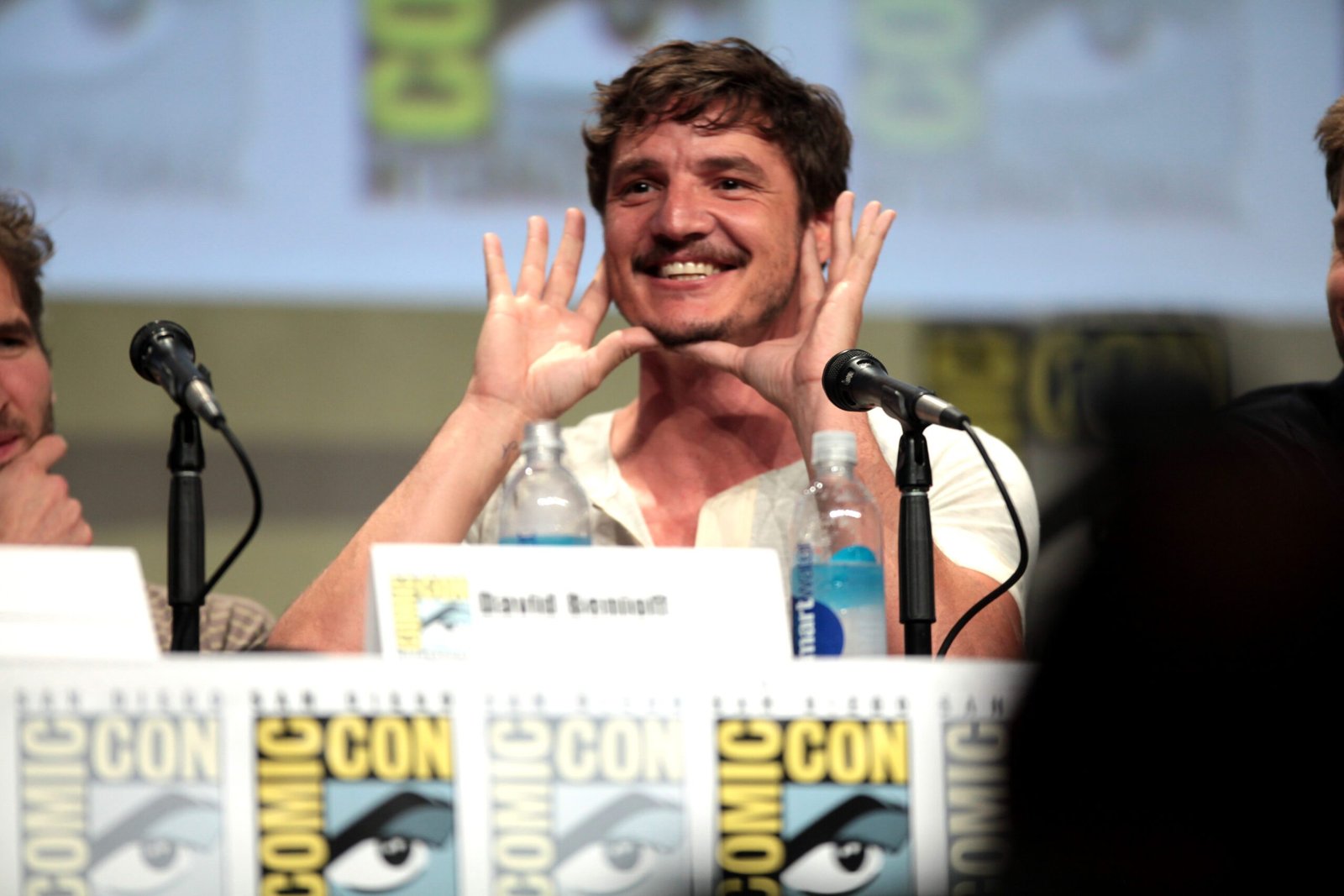
Pedro Pascal has come forward to discuss his surprise appearance at the halftime show at the Super Bowl with Bad Bunny, saying that he had very little idea of what he would be doing until a few minutes before he stepped on stage. The actor was excited about being part of such a significant cultural event, but he also confessed that throughout the process, he had no clue about the specifics of the performance.
Recently, having emerged as one of the most familiar faces in Hollywood thanks to the work on such projects as The Last of Us and The Mandalorian, Pascal retrospected the experience in an interview with The Hollywood Reporter. Although fans were thrilled to witness him come out alongside Bad Bunny in the “La Casita” segment, Pascal said that he did not know he would feature in that particular moment until the last minute.
The actor stated that he was keen to participate in any manner in the beginning. It was not about screen time or a big part during the performance to him. Rather he merely wanted to give a boost to an artist he adores and be part of an occasion that would have promoted the Latin culture in one of the largest stages in the world.
I would have liked to be involved in any capacity – literally, a volunteer, serving coffee where necessary, which I threw some feelers out via people I work with – and that gets me inspired in that I am already very into his music.
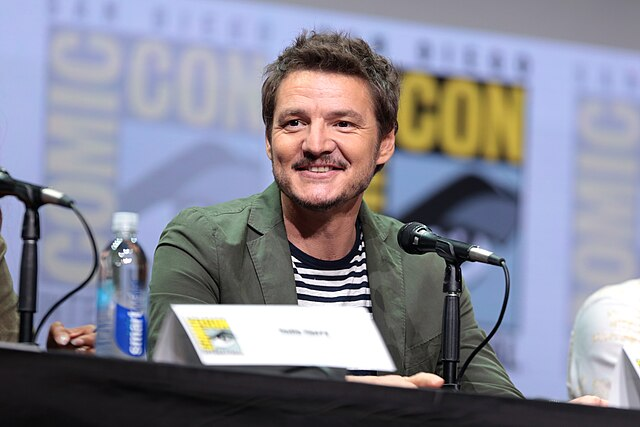
His lyrics were full of sincere respect towards Bad Bunny whose true name was Benito Antonio Martinez Ocasio. Bad Bunny is currently one of the largest music stars in the world, not just due to his number-one hits but also due to the manner in which he not only takes pride in being a Puerto Rican and Latin musician but also in being a proud Latin anthem. For many fans, his Super Bowl performance was more than just entertainment. It was a festival of culture, language and identity.
Pascal even disclosed that he did not receive a response after he had shown interest to be involved, at first. As with a good number of individuals who are hoping to get a chance in the entertainment field, he was waiting and hoping that the chance would come. Rather than giving up, he chose to do it himself.
He said that he realized he had to approach it himself later and attempt to make his request personal and authentic. Sent a selfie of me sticking my tongue out in an email, and they called me back, and they were, like, It is really me, and then in 25 minutes, they called me with a show.
The narrative provides the audience with a rare insight into how even a well-known person like Pedro Pascal may feel uncertain in an attempt to be involved in the project that he or she genuinely cares about. Although he is one of the most sought after actors in the globe, he was still forced to come out there and hope that somebody would get him. It is that candor which has made Pascal so popular with readers. He seems very friendly, modest and sincerely passionate about what he loves.
Although Pascal received the call, he was not yet sure what was to be expected of him even after he received the call. He said that the specifics of the “La Casita” section were a secret up until very near the actual performance. This implied that he was immediately invited to plunge into a choreographed scene with little time to rehearse.
That might have been a stressor to an individual who is not professionally trained in dancing. Pascal acknowledged that he was excited and surprised. The thought of being on stage in front of millions of people is already scary and it became more intense by having to learn the choreography minutes before the show.
Nevertheless, Pascal took up the challenge and tilted towards the amusement of the moment. Viewers who attended the halftime performance might not have known just how impromptu his performance was. The performance seemed smooth and relaxed on the screen and that much more astonishing to learn that he had been calculating things just before going to the stage.
These situations are usually eyewitnesses of the behind-the-scene of live performances. The audiences tend to view the end result, yet most of the times they are not aware of the last-minute adjustments, frantic rehearsal, or some unforeseen occurrences that went on backstage. The story of Pascal reminds us that the largest entertainment events may have a few uncertain situations.
It further puts emphasis on the degree of trust and flexibility that is needed in the entertainment industry. Actors, musicians and performers are at times requested to enter into situations that are not familiar to them and with little preparation. The few who succeed are those that are ready to change fast and embrace the randomness.
It is evident that it was one of those memorable moments of the career of Pedro Pascal. It gave him the opportunity to perform on the same stage as an artist whom he looks up to, and to be a part of a performance that touched millions of viewers. But even though he might have had no clue as to what would entail La Casita until the last minute, he was able to make the surprise appearance an enjoyable and memorable one.