Anne Hathaway appeared to be nearly invincible in Hollywood in the early 2000s. She could switch between flirtatious family movies and serious drama movies as she was indeed much more than a mere young star. The first movie she featured in, The Princess Diaries, is what made audiences fall in love with her because of her warm, awkward, and relatable performance that made the movie a favorite coming-of-age film. Soon, she started widening her food scope with roles which shocked both critics and viewers. Her roles in Brokeback Mountain revealed a more dramatic aspect of her acting and The Devil Wears Prada placed her squarely as a pop-culture favorite. Towards the end of the same decade, Hathaway had established herself as one of the most reliable and versatile actresses in Hollywood.
However, one can become successful in the entertainment business and then lose it within a short time due to unexplained reasons. Hathaway became the subject of an unforeseen critic at around the beginning of the 2010s. What started as isolated criticisms on the web, quickly escalated into a mass backlash that was being discussed all over the internet as what they termed as Hathahate. The once incredibly popular actress had, in a few years, transformed into the subject of jokes, memes, and cruel commentary everywhere in social media and entertainment reporting.
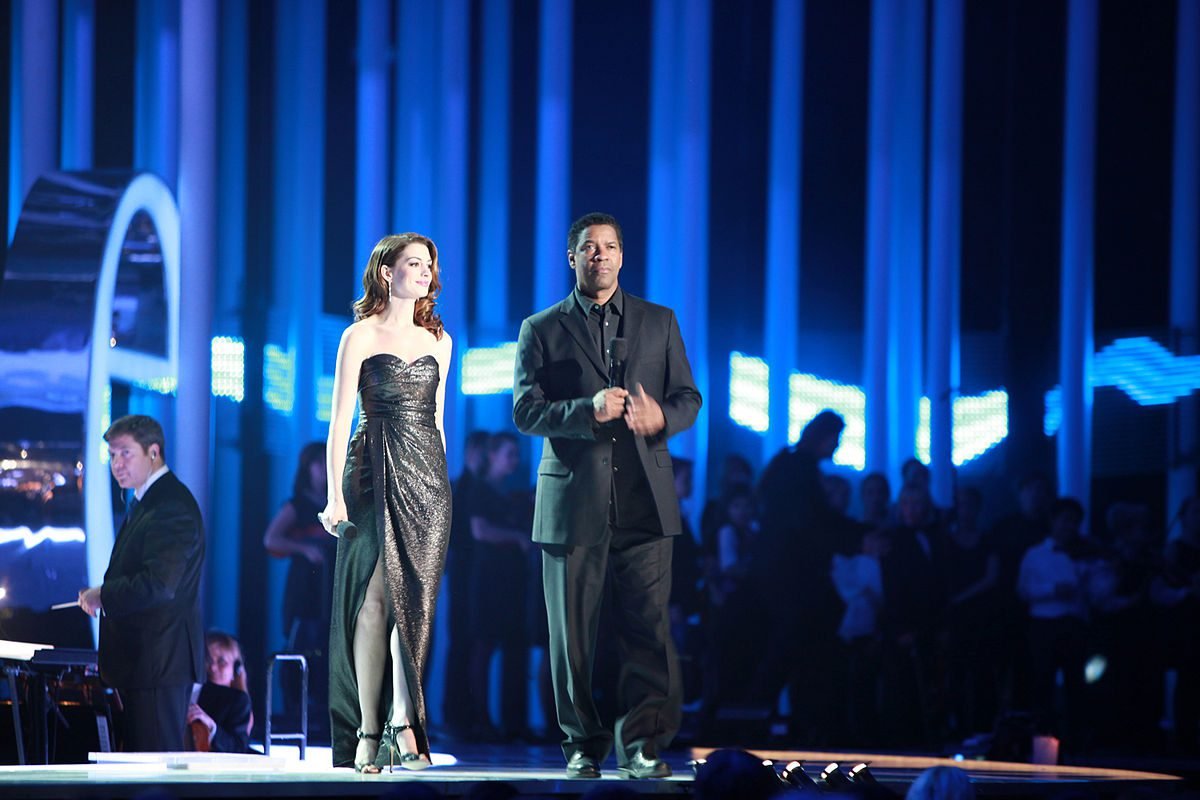
That is the point, to which many observers trace the inception of this backlash, to 2011 when Hathaway shared the stage with actor James Franco as co-hosts at Academy Awards. The Oscars are usually a risky event to host and the event in question was not well received by both viewers and critics. It was a feeling of many that the two hosts lacked natural chemistry on stage. Franco was cool and calm in his approach, which was a stark contrast to the excitable and lively approach taken by Hathaway and made some audience find the dynamic followed by the two actors awkward instead of entertaining.
As the show aired, Franco even joked that Hathaway was too energetic that he looked calm in comparison. Although the comment appeared jovial at its time, it was a part of the accumulating story that the two hosts were not a good match. Once the ceremony was over, the talk about the show soon shifted to the personal level of criticizing Hathaway herself. Online discussions started to unravel her actions with some saying that she was too polished or too willing to impress. Others have said she appeared artificial, as her personality in public was unnatural.
It was a criticism that was soon to have its own existence. The internet culture (especially in the early 2010s) had started to buzz viral trends virulently. After the expression Hathahate got online, it went viral on blogs, forums and social sites. Memes had mocked her interviews, her awards speeches, and even the manner in which she talked of her work. What was special about the situation was that the criticism hardly dedicated its attention to her talent as an actor. Rather, it was mostly about her general impressions regarding her personality.
As an actress who had been able to make a career out of her professionalism and hard work, the abrupt negativity must have been a perplexing experience. Reflectively, the backlash also brought out something on the vagaries of the people perception. At times the audiences get simply bored with seeing the same face everywhere or they start doubting the reality of celebrities acting as ever jovial and well-groomed. The sincere face of Hathaway, which had appeared very pretty before, now became also shown in a new perspective as insincere.
The backlash was the greatest in the 2013 awards season. In the same year, Hathaway gave an outstanding act in Les Misérables as a tragic character of Fantine. Her work was highly praised by critics and this job demanded emotional sensitivity and physical changes. The Academy Award of her Best Supporting Actress should have been one of the happiest moments of her career when she won it.
Rather, the reaction on the internet was very adverse. Though a lot of viewers cheered her, others went to the social media with their jokes and sarcastic remarks. Some described her speeches as too emotional whilst others accused her of being too serious about her profession. It was a weird period in the popular culture, as even the people who were involved in the criticism could hardly discover why they disliked her so much.
The backlash did not only have a real-life consequence behind the scenes. The film industry can be subject to the influence of public perception on the casting choice and the negative image of Hathaway had started to weigh down on some producers and directors. She found that some of the opportunities were becoming increasingly difficult to obtain even though she had just won one of the most prestigious awards in the acting field.
In her later interviews, Hathaway was very vocal about that troubled time. Considering the way the online story influenced the attitudes of the industry, she told Vanity Fair, “Many people would not give me roles due to the fact that they feared that my identity became too toxic online. The quote provided a unique insight into how the internet culture may affect the real life professions. The pressure of the opinion might silently shut the door even to a successful Oscar winner.
But Hollywood is also a place where reputations can be changed with the appropriate opportunity. Filmmaker, Christopher Nolan, was significant during this doubtful time to give Hathaway hope in her career. Nolan already collaborated with her when he used her to play Catwoman in The Dark Knight Rises. Her act in that movie proved another aspect of her acting that was a combination of intelligence, humor and strength.
In putting together the cast to play his grandiose science-fiction movie Interstellar, Nolan decided to collaborate with Hathaway again. Released in 2014, the film touched upon the topic of survival, exploration, and the role of humanity in the Universe. Hathaway played the role of Dr. Amelia Brand, a scientist and astronaut who was on a mission to discover a new home to the mankind other than the planet Earth.
The success of the movie contributed to changing the discussion of her career. Interstellar was a commercial success and a critical one, and viewers once again paid attention to the fact that Hathaway could do serious, emotionally based acting. Later in interviews, she mentioned that she was extremely grateful to Nolan because the industry had faltered in its faith in her. She referred to him as her guardian angel and admitted that it was his move to cast her once again that assisted her in re-establishing her career pace.