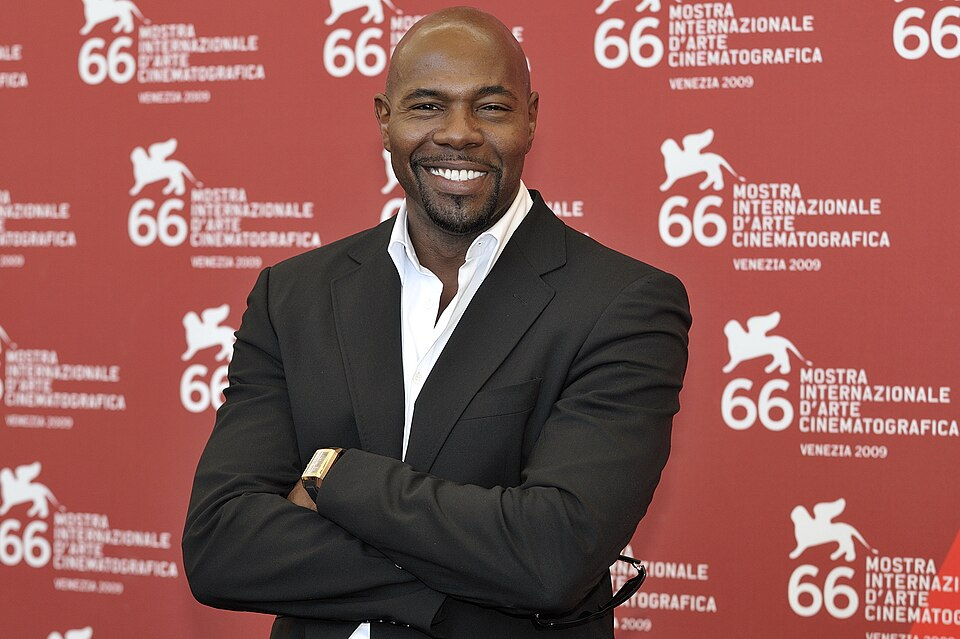
The man who is directing Michael Jackson biopic Michael, writer-director Antoine Fuqua, is in hot water after claiming he and his son Brando had a violent altercation with a bar employee in Los Angeles. William Rosenthal is the plaintiff suing the director and his son for assault, battery and intentional infliction of emotional distress. Rosenthal wants $50,000 in damages, alleging that he suffered a physical and emotional injury when he was attacked. Fuqua’s allies have strongly denied the accusations, stating that the allegations made against him are totally bogus.
Fuqua’s involvement in the highly anticipated Michael Jackson biographical film has made the legal battle hot. Fuqua, who has directed some of the biggest Hollywood films, is the subject of inquiries, allegedly after a February 2026 incident at a Los Angeles entertainment venue. The suit offers Rosenthal’s version of the events (as he alleges they unfolded), but the director has denied any wrongdoing. The charges are not proven in court and the case is a civil suit between the parties.
Details of the Alleged Incident at Good Times at Davey Wayne’s
The incident is said to have happened on the evening of February 14, 2026, at Good Times at Davey Wayne’s in Los Angeles. The incident started when five people came to the venue, according to Rosenthal, who was working for the bar manager at the time. There was a group that allegedly included Fuqua’s daughter.
The people seemed to be very drunk when they got here, Rosenthal said. He later claimed he would not let them in the bar based on his evaluation of the situation. As a staff member’s duty was to keep the area and the patrons free from any risks, that could cause harm to other patrons or employees while they were inside the establishment.
In a lawsuit, the daughter of Fuqua responded aggressively to the refusal, according to the suit. According to Rosenthal, she spit at him, attacked him verbally and threatened him in the incident. The situation reportedly got worse and worse, until he asked the group to leave the property.
But when the gang left, that’s not the end of the confrontation, Rosenthal’s account said. He said he spotted Antoine Fuqua outside the place about an hour after the first spat. The filmmaker was allegedly approached by the filmmaker and told he was using pepper spray on his daughter in the past incident.
Rosenthal has refuted the charges, saying that he never pepper sprayed anyone. The dispute reportedly escalated to a more serious confrontation, culminating in the alleged physical assault in the lawsuit.
Antoine Fuqua’s Charges for Using a Handgun to Hit an Employee.
Rosenthal’s most serious charges in the complaint leveled against the director relate to his alleged use of a firearm during the fight. The lawsuit says Fuqua took out a handgun and hit Rosenthal in the face. The complainant has said the incident was an assault with a weapon and the filmmaker used the gun to physically harm the complainant.
Rosenthal has also alleged that Fuqua hurled racist and antisemitic insults at him during the “altercation. In addition to the offensive language, the lawsuit claims that the director threatened to kill him. These accusations have elevated the legal battle to a new level, as the complaint also alleges that he was physically assaulted and verbally discriminated against.
The lawsuit also alleges that Fuqua’s son, Brando, got involved in the altercation. Rosenthal claims Brando pointed a handgun at him and then he swung it at his face. The complainant stated that the participation of both people made the incident threatening.
If the allegations are substantiated, serious questions will be raised under the circumstances of the confrontation, and the conduct of those involved. It is crucial however to recognise the difference between what has been claimed in a civil complaint and what has been independently established. This point, Rosenthal’s narration is a statement of what he alleges Fuqua and his son did, not a determination of their guilt.
Director Antoine Fuqua Strongly Rejects the Allegations.
Antoine Fuqua has vehemently rejected the charges levelled against him. After the lawsuit was filed, a spokesman for the filmmaker said the allegations were false and denied Rosenthal’s account of events.
The denial puts the two factions at odds with each other over what’s supposed to have occurred outside the Los Angeles bar. Rosenthal has said he was physically attacked and threatened with guns, while Fuqua’s spokesman has insisted that the claims are false.
The director’s response is especially important when considering the gravity of the charges. Charges of physical assault, gun play, death threats and discriminatory language may be accompanied by heavy legal and reputational penalties. However, no suit is enough to prove the alleged conduct. The claims will have to be looked at in the context of the legal process, and evidence, and statements of the parties may be crucial to determining the facts of the case.
The denial by Fuqua also calls into question whether the incident is a closed case. Any further developments in the case may yield more details of what happened on February 14, and the circumstances that led to the confrontation.
William Rosenthal sues for $50,000 in damages.
The lawsuit William Rosenthal has filed against Antoine Fuqua and his son asks for $50,000 in damages. The complaint alleges that Rosenthal suffered assault, battery and intentional infliction of emotional distress, an indication of some of the physical and emotional injuries suffered.
In civil law, assault and battery are two distinct offenses. Assault usually refers to threatening to engage in harmful or offensive physical contact, whereas battery is the actual unwanted physical contact. Intentional infliction of emotional distress is related to actions said to induce intense mental anguish from a very provocative act.