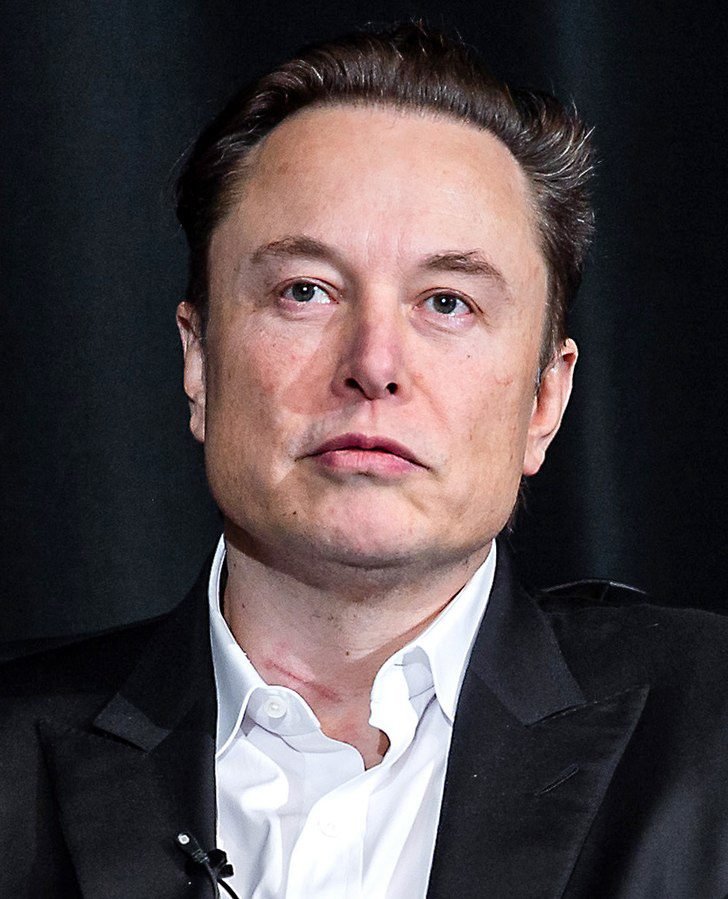
Tesla shares slipped around two percent on Thursday after the electric vehicle maker trimmed its capital spending forecast, a move that unsettled investors who have been counting on aggressive investment to bring Elon Musk‘s artificial intelligence and robotics vision to life. The company now expects to spend about twenty billion dollars in 2026, down from an earlier estimate of more than twenty-five billion, after actually laying out far less than anticipated on AI and robotics during the third quarter. That restraint had an unexpected upside, delivering a surprise positive free cash flow that few analysts saw coming.
The adjustment raises an uncomfortable question for a stock that has long traded on the promise of tomorrow rather than the reality of today. Capex is a delicate balancing act in this market, as Josh Gilbert, lead analyst at eToro, put it. Investors are happy to see a bigger budget when they can picture the returns flowing from it, but a smaller one tends to whisper that growth may be slowing. For a company whose valuation leans heavily on the Cybercab and the Optimus humanoid robot, that whisper carried more weight than a quarterly result that beat expectations on most measures. It explains why the shares barely moved despite the headline numbers looking solid.
Tesla declined to specify which areas would absorb the spending cuts, with leadership framing the decision as a matter of deploying capital efficiently. That explanation is reasonable on its face, though it leaves investors to fill in the blanks themselves. The strong cash position could prove genuinely valuable in the months ahead, particularly as Musk explores the possibility of combining Tesla with SpaceX, a far more capital-hungry enterprise.
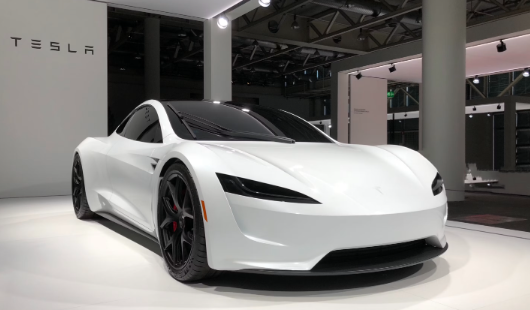
The two companies have already formed special committees to discuss a potential mega-merger, a deal Musk publicly endorsed this week. If it comes together, the combination could create an AI, automotive, satellite and rocket giant worth roughly three and a half trillion dollars. That is an extraordinary prospect, and it is also one that introduces a fresh layer of uncertainty. Russ Mould, investment director at AJ Bell, noted that the real risk is Tesla entering a period of limbo while investors wait for news on a combination that could face significant regulatory hurdles. Mergers of this scale rarely move smoothly, and the waiting itself can weigh on a stock.
The market’s mood around Tesla has been sour for much of the year. Shares have fallen about fourteen percent so far, a sharp contrast to the Nasdaq’s roughly fifteen percent gain over the same stretch. The stock now sits about twenty-three percent below its record intraday high of 498.83 dollars, reached last December. And yet its valuation remains in a league of its own, trading at 188.24 times forward earnings estimates, compared with 6.58 for Ford and 5.16 for General Motors. That gap tells you everything about how differently the market treats Tesla versus traditional automakers. Investors are not paying for the cars on the road today. They are paying for a future in which robots drive, humanoids work and rockets launch under one corporate roof.
Whether that future justifies the price is the question that has followed Tesla for years, and the spending pullback has only sharpened it. A leaner budget protects the balance sheet and buys flexibility, especially with a mega-merger on the table. But it also invites doubt about how quickly the robotics and AI ambitions can become real revenue. For now, Tesla finds itself in an awkward middle ground, cash-rich but vision-dependent, disciplined on spending yet valued for dreams. Investors will be watching closely to see which way the story breaks.