
Long before Leonardo DiCaprio became associated with this Palm Springs property, it belonged to singer and television personality Dinah Shore. Designed during the 1960s, the residence later drew attention when it was advertised as a luxury holiday rental for $4,500 per night, a figure that seemed remarkable at the time and has only grown more striking in hindsight. Its story connects an era of American entertainment with a distinctive chapter in California’s architectural history, and it explains why the house has remained a subject of fascination long after either of its most famous owners left the spotlight.
The former Dinah Shore Estate stands at 432 West Hermosa Place in Palm Springs. According to Greater Palm Springs, the residence was designed by architect Donald Wexler in 1964. Its mid-century modern design features steel-beam construction, expansive glass windows and views of the San Jacinto Mountains. Wexler designed the home for Shore, whose career spanned singing, television and entertainment, and the architect became known for modernist buildings that responded to Southern California’s climate and landscape. The estate reflects that philosophy through broad glass surfaces, open interiors and clean architectural lines. These features let in plenty of natural light and make the desert views feel like part of the living spaces, which is the central ambition of mid-century modern design in this part of the world.
It is significant for its architecture too, not just because a celebrity lived there. That distinction matters more than it might seem. Palm Springs has no shortage of houses with famous names attached to them, but only a subset were designed by architects of genuine consequence, and Wexler belongs firmly in that group. His work helped define how the desert could be lived in comfortably without walling off its extremes, using steel, glass and shade to mediate the harsh climate rather than seal it out. The Shore estate is a particularly clear expression of that approach, and its preservation has mattered to people who care about the built environment as much as to those who care about Hollywood.
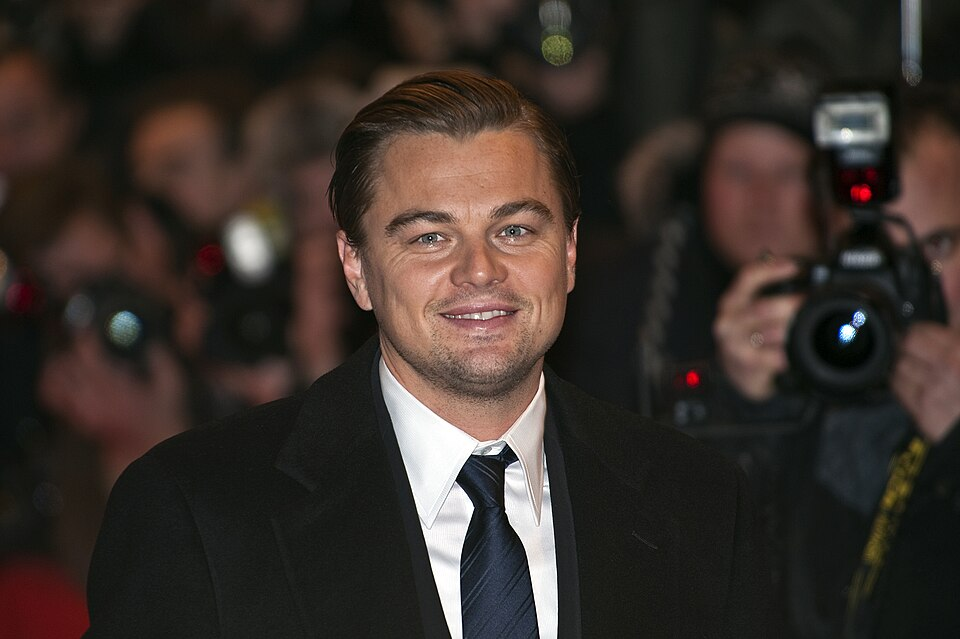
The residence is part of Palm Springs’ mid-century modern tradition, in which designers explored ways to connect indoor living with outdoor surroundings. DiCaprio purchased the estate in 2014 for a reported $5.23 million. By 2015, it was being advertised as a holiday rental for $4,500 per night, with a minimum two-night stay. The rate was reported again in 2016, and the numbers invited a certain amount of commentary. A house with six bedrooms and seven-and-a-half bathrooms, available at that price, was less a holiday let than a statement about the economics of celebrity real estate. For the right guest, it offered a brief stay inside a piece of Hollywood history, with the desert and the mountains as a backdrop.
The main residence covers approximately 7,000 square feet. Features reported during its rental period included a sunken living room, fireplace, cocktail bar and formal dining area. The grounds also included a swimming pool, tennis court and guesthouse. Those details are not incidental. A sunken living room, in particular, gives a house a period character that is difficult to replicate in newer construction, and it signals an era when entertaining at home was treated as a form of theatre. The bar and dining areas reinforce that impression, while the separate guesthouse and outdoor facilities allow a household to host company without losing the sense of private retreat.
The design details behind its appeal are worth unpacking. The home’s architecture prioritises space, light and views rather than elaborate ornamentation. Large windows connect the main rooms with the gardens, while the pool and recreational facilities extend the living environment outdoors. The sunken living room gives the interior a distinctive period character, and together with the bar and entertainment areas, it reflects a design approach suited to hosting guests while preserving separate spaces for relaxation. There is a practical logic to this arrangement that has aged well. Mid-century modern houses were built for a climate and a social style, and when both are present, the result feels less like nostalgia than like good sense.
These characteristics help explain the continuing interest in mid-century modern houses across Palm Springs. Their appeal comes from the way architecture, climate and landscape work together rather than from celebrity ownership alone. That is an important point, because the temptation is to read the house’s value entirely through the fame of its owners. Shore was one of the most recognisable entertainers of her time, and DiCaprio is among the most famous actors of his generation, but the property would be notable even without either name attached. Wexler’s design is the through line, and the celebrity chapters are incidents along it rather than its substance.
Whether the estate will remain a rental, a private residence or something else entirely is an open question, as is the broader fate of mid-century modern architecture in a region where land values and climate pressures are both rising. Palm Springs has done more than most places to protect its architectural heritage, but preservation depends on owners who value the buildings as much as the addresses. For now, the house stands as a reminder that the most interesting celebrity homes are often interesting for reasons that have little to do with the celebrity at all.