Ben Affleck has described his experience working on the 2017 superhero film Justice League as one of the most difficult periods of his professional life, calling it the lowest point of his career. The actor, who portrayed Bruce Wayne, also known as Batman, in the DC superhero film, has spoken candidly about the personal challenges, behind-the-scenes tensions, and troubled production circumstances that shaped his experience. Reflecting on the project during an appearance on the Happy Sad Confused podcast hosted by Josh Horowitz, Affleck explained how disagreements between the studio and the filmmaker contributed to the film’s difficulties and ultimately affected the production.
Affleck’s comments offer a glimpse into the complicated circumstances surrounding one of DC’s most ambitious cinematic projects. Justice League brought together several major superheroes, including Batman, Wonder Woman, Superman, Aquaman, The Flash, and Cyborg, in a story intended to establish a powerful team within the DC Extended Universe. Expectations were high, as the film followed the introduction of several characters in earlier releases and was expected to compete with other major superhero franchises. However, the production encountered significant challenges, and the final film became associated with creative disagreements and controversy.
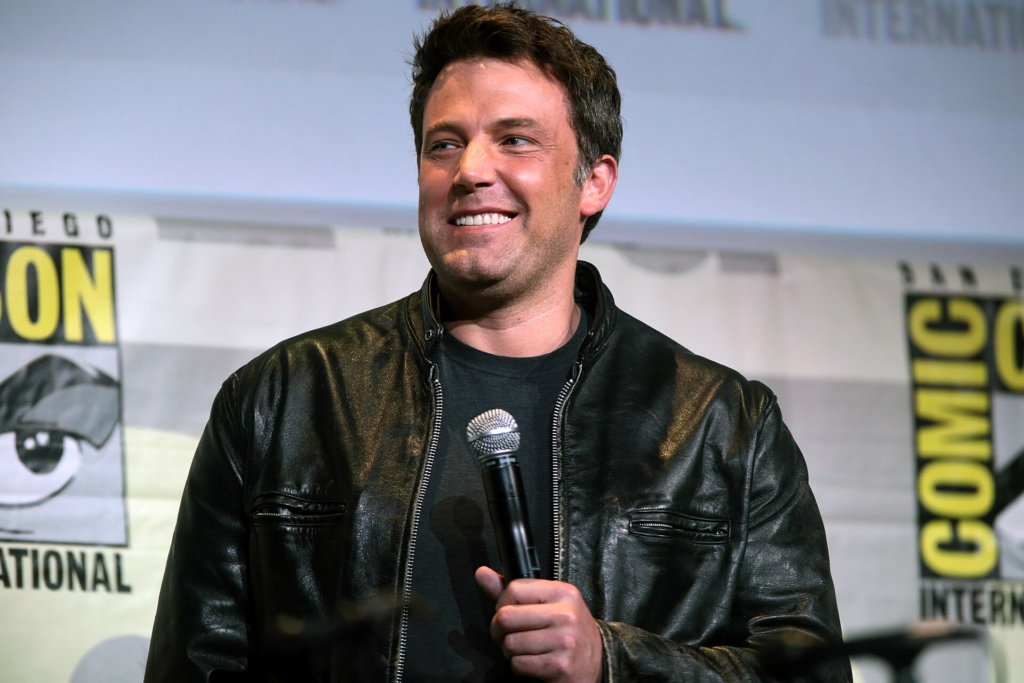
Discussing his experience, Affleck did not hold back in describing how negatively the project affected him. “The truth is, the experience of Justice League for me was so, so negative for lots of different reasons. Some of which having to do with where I was personally, some of which having to do with the tragedy that happened during the time, and also the fact that I really saw how not to make a movie like that when the studio is at odds with the filmmaker. You’re really making a mistake. That was what really doomed that,” the actor said.
His remarks highlight a broader challenge in large-scale filmmaking: balancing a director’s creative vision with a studio’s commercial expectations. Superhero films typically involve substantial budgets, extensive visual effects, and complicated production schedules. Studios also face pressure to attract a broad audience and deliver strong box-office results. When these priorities conflict with a filmmaker’s approach, the resulting compromises can affect the tone, structure, and consistency of a finished movie.
The difficulties surrounding Justice League became particularly visible after the release of Batman v Superman: Dawn of Justice in 2016. Although the film generated considerable discussion, its commercial performance and critical reception reportedly prompted Warner Bros to reconsider the direction of its developing superhero franchise. The studio wanted Justice League to adopt a lighter and more accessible tone, while director Zack Snyder had pursued a darker, more serious style in his earlier DC films. This difference in creative priorities became a significant source of tension during the project’s development.
The situation grew more complicated when Snyder stepped away from directing following the death of his daughter by suicide. The personal tragedy brought an abrupt change to the production, and filmmaker Joss Whedon was brought in to oversee extensive reshoots and additional work on the film. These changes were intended to reshape the movie’s tone and bring it closer to the studio’s expectations. However, the transition created further difficulties for a production that was already dealing with competing creative approaches and considerable pressure.
Affleck recalled the circumstances surrounding the change in leadership and the subsequent reshoots as particularly frustrating. Describing the experience, he said, “Boy, that was s****y. Him being taken off that movie, and the reshoots that we did – if you want the low point of my career, (it) was that.”
For Affleck, the experience was not simply a matter of professional disappointment or dissatisfaction with the finished film. The circumstances surrounding Snyder’s departure and the atmosphere during production made the situation considerably more difficult. The actor also acknowledged that the personal tragedy involved was far more significant than any filmmaking dispute.
When Horowitz asked him about watching the film appear to collapse during the production process, Affleck emphasised the seriousness of the circumstances. “Somebody’s death by suicide, that eclipses everything.”
His response reflected the emotional weight of the events surrounding the film. Affleck also expressed strong criticism of how Snyder’s family tragedy was handled within the wider production environment. “And the way in which that was, I thought, frankly, used as an excuse… I just thought that was one of the s****iest things I’ve ever seen. It was so gross. And then the whole environment and vibe, much of which I wasn’t privy to, but that I sort of heard about secondhand in terms of Ray (Fisher) and Gal (Gadot) and other people’s experiences. It was just like, ‘Wow, this is about as gross as it gets.'”
The actor’s comments also referred to accounts of the production environment involving other cast members, including Ray Fisher and Gal Gadot. Although Affleck acknowledged that he was not personally aware of every incident that reportedly occurred behind the scenes, he indicated that what he subsequently heard contributed to his negative impression of the experience. The production therefore became associated not only with creative disagreements but also with broader questions about working conditions and relationships between cast members, filmmakers, and studio executives.
When Justice League was released in 2017, it failed to meet the expectations attached to a major superhero ensemble film. Its performance intensified discussions among fans about the creative decisions that had shaped the final version. Many viewers argued that the movie differed substantially from Snyder’s intended approach, prompting a campaign demanding the release of his original version. The movement gained considerable attention online, demonstrating how audiences could influence discussions surrounding major studio productions.