Apple is expected to unveil its first touchscreen MacBooks on Wednesday, abandoning a long-held aversion to the technology as it caps a burst of product launches ahead of the crucial holiday shopping season. The company is holding an event in Los Angeles after launching a folding iPhone, Duo, at its Silicon Valley headquarters in September and a smart home hub in New York earlier this month. While those products will test new markets for Apple, the Los Angeles event could rekindle an old question: should Apple put the touchscreens that it made mainstream in iPhones and iPads in its oldest product line?
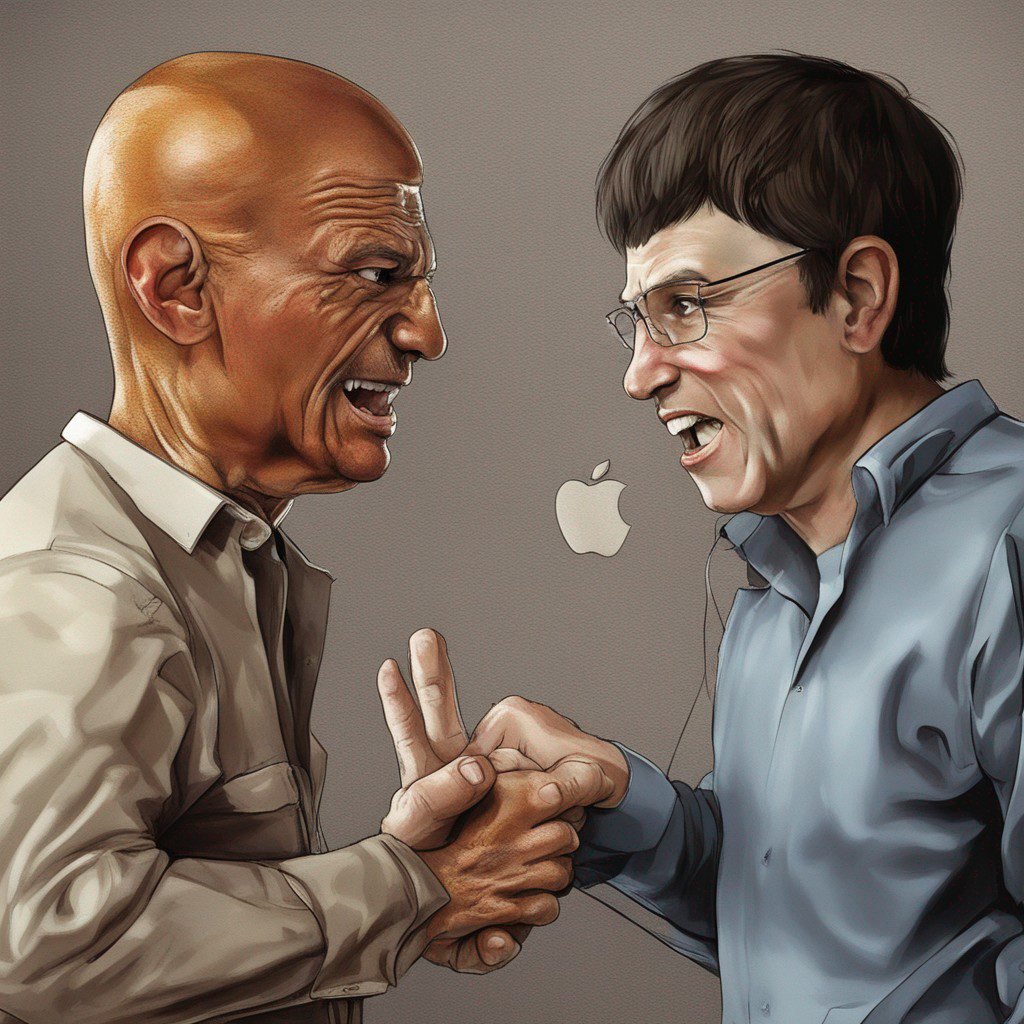
Apple executives long resisted the idea, with Steve Jobs saying in 2010 that touchscreens on laptops were “ergonomically terrible” and then-CEO Tim Cook saying in 2012 that such devices would be as pleasing to users as converging a toaster and a refrigerator. Before becoming Apple’s current CEO, John Ternus argued that Apple already made a touchscreen computer with its iPad lineup. That history is more than trivia. It explains why this announcement, if it arrives as expected, will be read as a concession rather than an innovation, and why Apple is likely to frame the change carefully, presenting touch as an addition to the Mac experience rather than a correction of past judgment.
But touchscreens have been widely available for more than a decade on Windows devices, and with the iPhone nearing its two-decade anniversary, a new generation of buyers expects screens to respond to touch. Anshel Sag, an analyst at Moor Insights & Strategy, said, “I believe they were always wrong on pushing back on touch, and this is the long arm of reality setting in.” He added, “Some things are purely inevitable.” That assessment captures the awkward position Apple occupies here. The company built its reputation on refusing to follow hardware trends until it could execute them well, and that patience has often been vindicated. On touch-enabled laptops, however, the wait has stretched long enough that the rest of the market has simply moved on without Apple, and the strategic question is no longer whether touch belongs on a laptop but whether Apple can make it feel native to macOS rather than bolted on.
A key question for Apple is how customers will respond. The company has seen an uptick in Mac sales, but much of that growth has been among technology enthusiasts and businesses buying the machines to handle AI tasks on-device. That buying pattern matters because it suggests the current Mac customer is motivated by compute and memory headroom rather than form factor novelty, and a touchscreen does little for someone running local models. While Apple this week announced an upgraded base model of its MacBook Pro with a new M6 chip, Bloomberg News has reported that it plans to ship touchscreen models with its existing M5 Pro and M5 Max chips that already come in MacBook Pro models, meaning the new machines would not gain a significant performance boost over existing ones.
Jason Calacanis, the host of the All-In Podcast and a prominent tech commentator, wrote on X, “The only thing people want is more memory and better processors for local models!” That reaction points to a tension Apple will have to manage in its messaging. The touchscreen is the visible headline, but the audience most likely to spend on a high-end laptop this season is focused on specifications that the announcement may not address. Apple has long been skilled at reframing what customers should want, and it may do so again here, positioning touch as part of a broader shift in how people interact with their machines as on-device AI changes the way laptops are used.
What remains genuinely uncertain is whether touchscreens will prove transformative on a Mac or merely expected. The Windows ecosystem has offered touch laptops for years without those devices displacing the traditional keyboard and trackpad workflow, and Apple’s own iPad has shown that a touch-first interface and a desktop-class operating system are difficult to reconcile. There is a reasonable case that Apple has spent years developing software that makes touch feel purposeful rather than optional, and a reasonable case that the company is simply responding to competitive pressure and generational expectation. Either way, the Los Angeles event marks a notable turn for a product line that defined Apple’s identity, and the reception in the coming months will reveal whether the company’s long resistance was principled caution or a delay it is now paying for.