Taiwan Semiconductor Manufacturing Company is evaluating a potential investment in Texas as the world’s largest contract chipmaker considers expanding its semiconductor manufacturing footprint in the United States, according to people familiar with the discussions. The possible Texas project would come on top of the company’s rapidly expanding operations in Arizona and could further strengthen TSMC‘s role in the US semiconductor industry.
The Texas investment remains under consideration and no final decision has been made, according to two sources familiar with the matter. The sources spoke anonymously because they were not authorized to discuss the company’s internal plans publicly. If approved, the project would represent an additional US commitment beyond the $265 billion TSMC has already pledged for its Arizona operations.
The development comes as semiconductor manufacturers face growing pressure to build more production capacity inside the United States. Advanced chips have become increasingly important to artificial intelligence, data centres, consumer electronics, automobiles and other industries, making semiconductor manufacturing a strategic priority for both companies and governments.
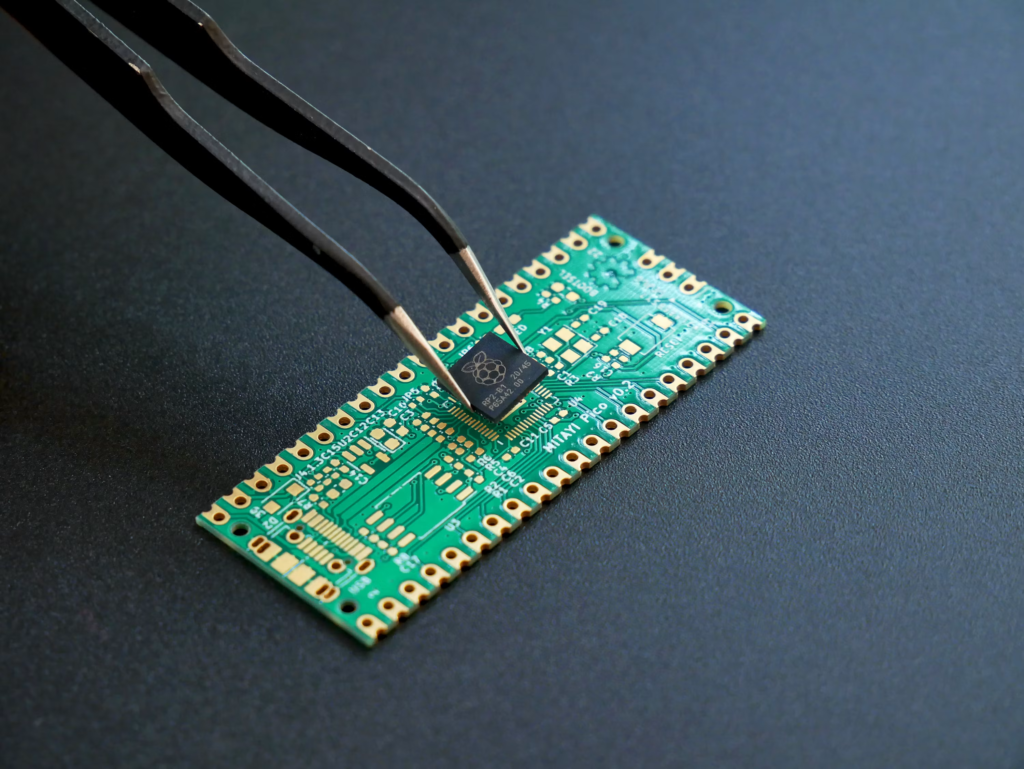
For TSMC, expanding in the United States also represents a significant shift from its traditional concentration of manufacturing operations in Taiwan. The company has been steadily increasing its US presence, particularly through its large-scale Arizona development. A possible Texas project would indicate that the company is considering a broader geographic footprint rather than concentrating all of its American production in a single state.
Reports of a potential Texas investment emerged in Taiwanese media earlier this week, with unnamed industry sources cited as the basis for the reports. The latest information suggests that the idea is still at an evaluation stage. There is no confirmed timeline for a final investment decision, and the size, location and precise nature of any potential Texas facilities have not been publicly established.
TSMC has not publicly confirmed that it has approved a Texas investment plan. The company also had not immediately responded to requests for comment regarding the potential project. That leaves considerable uncertainty around whether the Texas proposal will ultimately move forward and what form it could take.
The possible expansion would come after TSMC significantly increased its financial commitment to Arizona. In July, the company announced an additional $100 billion investment in the state, bringing its previously announced US investment commitment to $265 billion. The enlarged programme is expected to substantially increase semiconductor manufacturing and related capabilities in Arizona over the coming years.
TSMC Chief Executive C.C. Wei said at the time that “probably additional four or more fabs will be built,” referring to both front-end and back-end facilities. His comments highlighted the scale of the company’s plans for expanding its US manufacturing ecosystem.
The distinction between front-end and back-end semiconductor facilities is important because modern chip production involves several highly specialised stages. Front-end manufacturing involves fabricating semiconductor devices on silicon wafers, while back-end operations include processes such as advanced packaging and testing. Packaging has become increasingly important as chip designs grow more sophisticated and manufacturers look for ways to combine high-performance components efficiently.
TSMC’s Arizona plans already represent one of the largest semiconductor manufacturing investments in the United States. Once current and planned projects are included, the company’s Arizona operations are expected to consist of 12 fabrication and advanced packaging facilities, together with a research and development centre.
The scale of the Arizona programme demonstrates how dramatically TSMC’s American strategy has expanded. What began as an effort to establish advanced chip manufacturing capacity in the United States has developed into a much larger industrial ecosystem involving multiple fabrication facilities, packaging operations and research capabilities.
A potential Texas investment could add another dimension to that strategy. Texas has long had a major presence in the US technology and semiconductor industries, supported by established electronics companies, engineering talent, universities and an extensive industrial base. The state is also home to companies involved in semiconductor design, manufacturing equipment and other parts of the technology supply chain.
For TSMC, a second major US manufacturing location could offer opportunities to diversify its physical production network. It could also bring the company closer to different customers, suppliers and technology clusters. At the same time, establishing additional semiconductor facilities is a complex and expensive undertaking involving land, power, water, specialised equipment, skilled workers and a reliable supply chain.
The financial scale involved means that any Texas project would require careful evaluation. Semiconductor fabrication plants are among the most capital-intensive industrial facilities in the world, and construction can take years before a facility reaches full production. The economics of a new site therefore depend not only on expected chip demand but also on operating costs, infrastructure, workforce availability and government support.
The US government’s efforts to encourage domestic semiconductor production have also influenced the industry’s expansion. Policymakers have sought to reduce dependence on overseas manufacturing and strengthen domestic capacity for strategically important technologies. TSMC’s American investments have become a prominent part of that broader effort.
The company’s expansion is also closely connected to the rapid growth of artificial intelligence. AI systems require increasingly powerful processors, and demand for advanced semiconductor manufacturing and packaging has risen alongside investment in data centres and computing infrastructure. TSMC manufactures chips for many major technology companies, making its production capacity an important part of the global technology supply chain.
At the same time, building semiconductor capacity outside Taiwan presents challenges. TSMC has extensive experience and a highly developed manufacturing ecosystem in Taiwan, while new overseas facilities must reproduce complex processes in different operating environments. Training workers and establishing the same level of manufacturing efficiency can require substantial time and resources.