Tesla’s Cybercab robotaxi rollout is putting the company’s ambitions for autonomous transportation on a collision course with existing vehicle safety regulations. The electric vehicle maker has begun offering paid rides in Austin, Texas, using a futuristic two-seat vehicle designed to operate without a steering wheel, pedals or traditional mirrors. The launch represents another major step in Tesla’s push toward a future built around self-driving technology and robotics, but it is also raising questions about whether current regulations are equipped to handle vehicles designed without conventional human controls.
The Cybercab rollout came into focus after Tesla held an event in downtown Austin to showcase the vehicle and expand its robotaxi operations. The new vehicles have joined Tesla’s existing autonomous ride-hailing fleet, which uses Model Y sport utility vehicles. Tesla has said that Cybercab rides are available to the public and has outlined plans for pricing as the service expands.
The timing of the launch is significant because U.S. vehicle safety rules were largely developed around conventional automobiles operated by human drivers. Many of those standards assume that a vehicle will have equipment such as steering controls and other features that allow a person inside the vehicle to take control when necessary. A fully autonomous vehicle challenges some of those assumptions, creating a regulatory problem that automakers and authorities have been working to address for years.
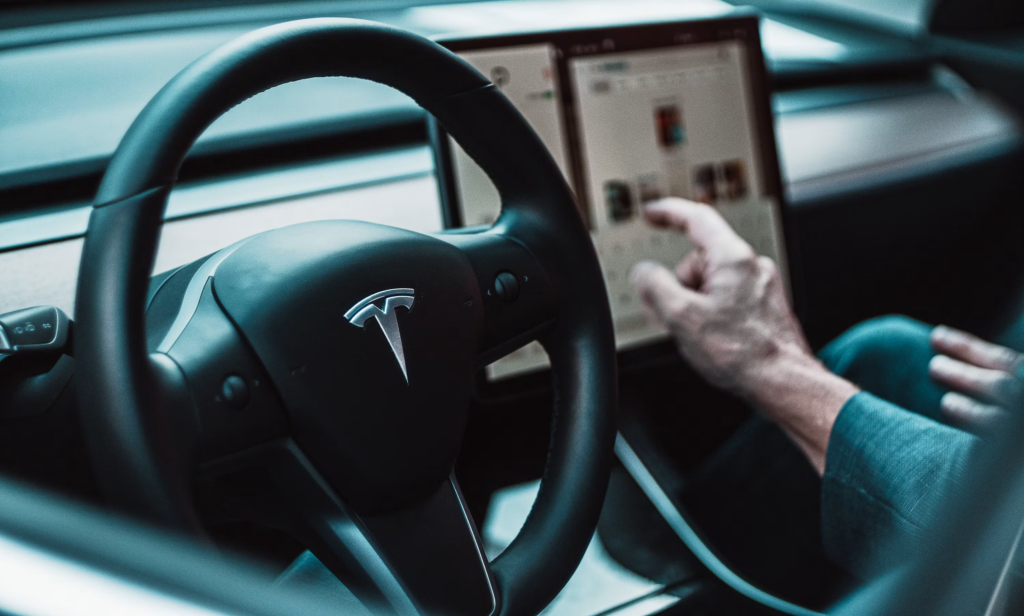
That challenge became more immediate when the National Highway Traffic Safety Administration opened an audit involving roughly 1,000 Cybercab vehicles. The federal agency is examining how Tesla determined that the vehicles comply with existing safety requirements. The review could become an important test of how regulators interpret rules originally created for traditional cars when applied to autonomous vehicles with a fundamentally different design.
The Cybercab is central to Tesla’s broader strategy under Elon Musk, who has repeatedly positioned autonomous driving and robotics as major parts of the company’s future. Unlike a conventional Tesla, the Cybercab has been designed from the beginning around autonomous operation. Its two-seat configuration and distinctive body are intended to support a transportation model in which passengers do not need to drive the vehicle themselves.
For Tesla, the robotaxi business represents much more than another vehicle category. The company has invested heavily in the idea that self-driving software can transform transportation and create a large new source of revenue. If autonomous vehicles can operate commercially at scale, Tesla could potentially move beyond selling cars and become a major player in automated transportation services.
The financial expectations surrounding this strategy are already substantial. Tesla’s market valuation has been driven partly by investor expectations about autonomous driving, robotics and future mobility services. That makes the Cybercab rollout particularly important because its success will depend not only on technological performance but also on Tesla’s ability to operate within a regulatory system that was not originally designed for vehicles like it.
Regulatory uncertainty could become one of the biggest obstacles to Tesla’s plans. Industry observers have pointed to gaps between existing federal rules and the technology being introduced by autonomous vehicle manufacturers. When regulations are based on assumptions about human drivers, companies developing vehicles without conventional controls can face uncertainty over how those standards should be interpreted.
Tesla’s approach could therefore become a precedent for the wider autonomous vehicle industry. If the company succeeds in expanding Cybercab operations despite regulatory challenges, other automakers and technology companies could gain a clearer path for introducing similar vehicles. If regulators instead impose stricter requirements, the rollout could take longer and potentially force changes to the vehicle’s design or operating model.
The issue is not simply whether an autonomous vehicle can drive safely. Regulators must also determine whether the vehicle itself meets requirements covering equipment, crash protection and other aspects of automotive safety. A vehicle without pedals or a steering wheel raises different questions from those faced by a conventional car because there may be no expectation that a passenger can suddenly take over if the automated system encounters a problem.
Tesla’s history of challenging established practices also adds another dimension to the situation. Musk has frequently taken an aggressive approach when dealing with regulators and has shown a willingness to pursue legal challenges when the company disagrees with government decisions. That history means any major disagreement over Cybercab compliance could potentially develop into a broader legal dispute.
Such a confrontation would have implications beyond Tesla. Autonomous vehicles are advancing quickly, while laws and regulatory frameworks often move more slowly. Governments must balance innovation with public safety, particularly when new technology is being deployed on public roads where failures can affect passengers, pedestrians and other motorists.
The Cybercab launch is therefore an important real-world test of that balance. Tesla is effectively asking regulators and the public to accept a vehicle built around a different idea of what a car should be. Instead of placing a human driver at the center of the vehicle, the Cybercab is designed around an automated system that controls the journey from start to finish.
The atmosphere surrounding the Austin rollout reflected the public fascination with Tesla’s approach. Fans, technology enthusiasts and social media personalities gathered around the new vehicles, highlighting the strong interest that surrounds Musk’s autonomous driving ambitions. The Cybercab’s unusual appearance, including its gold-colored exterior and butterfly-style doors, has also helped make it one of Tesla’s most visually distinctive products.
Yet public excitement does not eliminate the practical questions surrounding autonomous transportation. A robotaxi must demonstrate reliability not only during carefully managed demonstrations but also across unpredictable real-world situations. Weather, road construction, emergency vehicles, pedestrians and unexpected driver behavior can all create challenges for automated driving systems.