In an era where artificial intelligence can generate images nearly indistinguishable from reality, a photograph of Zendaya sporting what appears to be a baby bump has sent social media into a frenzy, with fans eagerly speculating that the 29-year-old actor and her husband Tom Holland might be expecting their first child together. The image, which quickly went viral across multiple platforms, shows Zendaya walking through a park in what seems to be London, her midriff visible in a crop top and appearing to show the unmistakable curve of a growing belly. However, closer investigation reveals a far more mundane and somewhat concerning truth about the nature of digital manipulation in the age of readily available AI tools.
The photograph in question has been traced back to an original image captured in London during 2023, which showed Zendaya with her characteristic flat stomach, perfectly in line with her known physique. The manipulated version, which has been circulating widely, appears to have been generated using artificial intelligence algorithms that seamlessly altered the original image to create the illusion of pregnancy. This revelation has prompted discussions about the growing challenge of distinguishing authentic content from AI-generated fabrications, particularly when it comes to celebrity imagery that naturally garners massive public interest. The Sun has confirmed that the viral photograph is not authentic, putting to rest the pregnancy rumors that had been gaining substantial traction online.
This incident marks the latest chapter in what has become a recurring pattern of AI-generated content targeting high-profile couples. Zendaya and Tom Holland, who have been one of Hollywood’s most beloved pairs since they confirmed their relationship in 2021, have consistently maintained a relatively private personal life despite their immense fame. The couple, who met on the set of Spider-Man: Homecoming and have since worked together on multiple projects, including the upcoming Spider-Man: Brand New Day, have demonstrated a remarkable ability to shield their personal lives from the intense scrutiny that comes with their celebrity status.
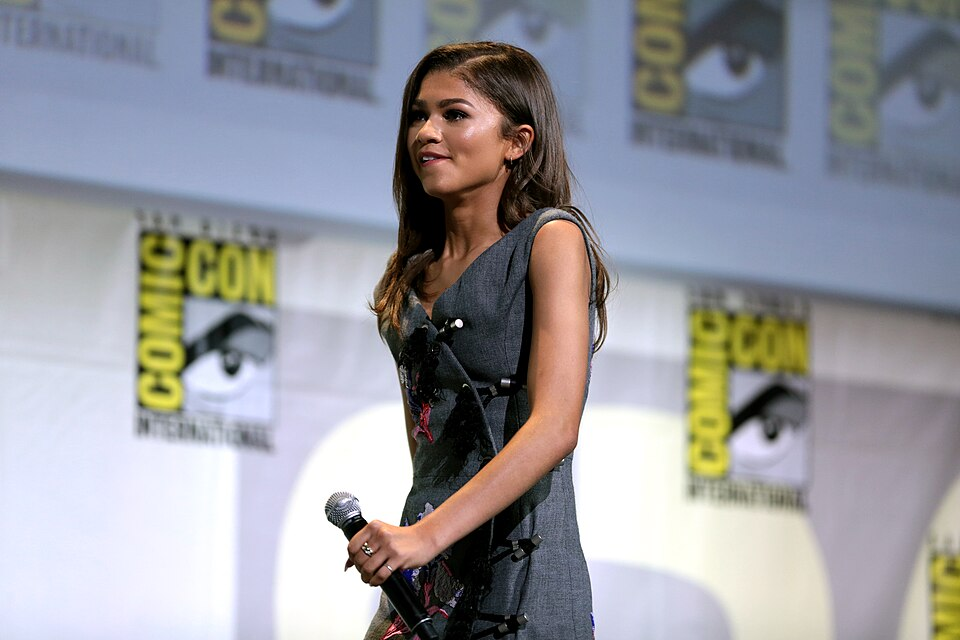
The pregnancy speculation emerged at a time when both actors have been particularly busy with their respective careers. Zendaya has been preparing for the release of several major projects, including the highly anticipated Dune: Part Three, while Tom Holland has been involved in various film and television productions. The timing of the fake image’s circulation, however, has raised questions about the motivations behind creating and distributing such content. While some might view it as harmless fan speculation, others see it as a more concerning invasion of privacy that could have real-world implications for the couple.
Interestingly, this is not the first time that AI-generated images have caused confusion and speculation about Zendaya and Tom Holland’s relationship status. Previous instances of fabricated wedding photographs have circulated widely on social media, showing the couple in elaborate wedding attire that looked convincing enough to fool many casual observers. One particularly notable fake image showed Zendaya in an intricately designed corset-style wedding gown, while another captured Tom celebrating in a formal tuxedo, leading many fans to believe that the couple had secretly tied the knot. Both actors took the unusual step of addressing these rumors directly, dismissing the photographs as fabricated and emphasizing their desire for privacy regarding their personal milestones.
The broader context of AI-generated celebrity content raises important questions about consent, authenticity, and the responsibilities of both content creators and platforms in addressing such material. When images of public figures are manipulated without their consent, it creates a situation where fans and followers are forced to question the veracity of everything they see online. This erosion of trust can have cascading effects, making it increasingly difficult for fans to distinguish between genuine news and manufactured content. The psychological impact on the celebrities themselves should also not be underestimated, as they must constantly navigate a landscape where their image can be weaponized without their permission.
From a technological standpoint, the sophistication of AI image generation tools has advanced to the point where even trained eyes can struggle to identify manipulated content. The Zendaya pregnancy photo demonstrates just how convincing these AI-generated images have become, with the manipulation appearing seamless enough to generate widespread belief in its authenticity. This technological capability, while impressive, presents significant challenges for media literacy and the maintenance of accurate information in the public sphere. The ability to create such convincing fabrications means that celebrities and public figures must now contend with a new form of digital harassment that can spread misinformation at unprecedented speeds.
The public reaction to the viral image has been telling in its intensity. Social media platforms were flooded with congratulatory messages and speculation about potential baby names, with fans expressing genuine excitement at the prospect of the couple starting a family. This outpouring of goodwill, while well-intentioned, highlights the emotional investment that fans have in the lives of their favorite celebrities. When such speculation proves unfounded, it can lead to feelings of disappointment and even betrayal among fans who believed the content to be authentic. However, it also underscores the need for greater digital literacy and more cautious consumption of celebrity news.
Industry experts have weighed in on the broader implications of such incidents, noting that the entertainment industry has always had to contend with rumors and speculation, but AI has added an entirely new dimension to this dynamic. Unlike traditional paparazzi photography or gossip columns, which could be verified or debunked through journalistic channels, AI-generated content can appear so authentic that it bypasses conventional fact-checking processes. This has created a situation where celebrities must now contend with a reality where their image can be manipulated to suggest events that never occurred, forcing them to issue clarifications and denials that may not reach the same audience as the original false content.
Privacy concerns in the digital age have taken on new dimensions for public figures. While celebrities have historically accepted some loss of privacy as part of their profession, the ability to create entirely fictional scenarios through AI manipulation represents a fundamental violation that extends beyond traditional paparazzi culture. The psychological toll of having one’s image manipulated to suggest pregnancy or marriage without consent cannot be overstated, as it involves deeply personal life events that most individuals would prefer to share on their own terms and timing.
There is also a legal dimension to consider, as the unauthorized manipulation of celebrity images potentially infringes on various rights, including the right to one’s own likeness and the right to control the use of one’s image. Legal frameworks have been slow to adapt to the challenges posed by AI-generated content, leaving gaps in protection for individuals whose images are manipulated without consent. This situation has led to calls for more robust legislation addressing the use of AI in creating deceptive content, particularly when it comes to manipulating the appearance of individuals without their permission.