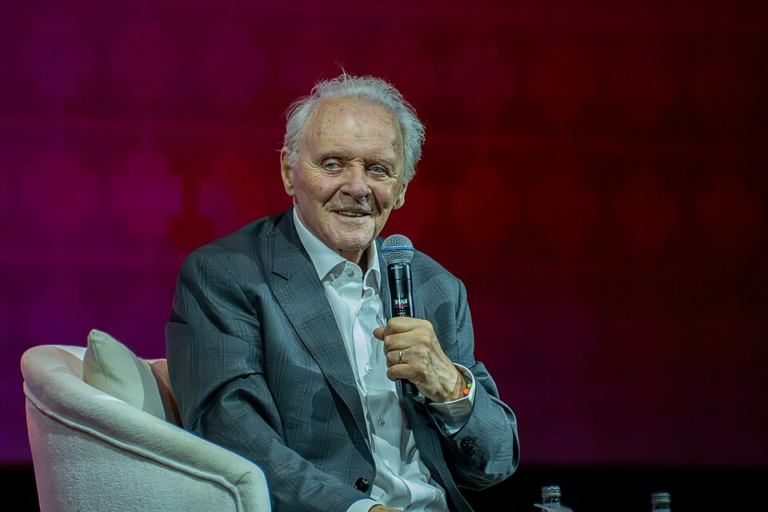
In a significant leadership reshuffle that has sent ripples through the technology sector, Alphabet’s artificial intelligence division has undergone a major transformation with DeepMind co-founder Demis Hassabis stepping down from his chief executive role. The reorganization, announced internally on Wednesday, represents one of the most consequential changes to Google’s AI operations since the company’s aggressive push into generative artificial intelligence began reshaping the technology landscape. The moves come at a critical moment for the search giant, which has been working diligently to maintain its competitive edge in an increasingly crowded and rapidly evolving AI market.
Hassabis, who received the Nobel Prize for his groundbreaking contributions to protein structure prediction through AI, will assume the newly created position of chief scientist for Alphabet while transitioning from his role as DeepMind CEO to become its chairman. This strategic shift allows the celebrated researcher to focus exclusively on the scientific and technical dimensions of artificial general intelligence, the theoretical future state where machine intelligence equals or surpasses human cognitive capabilities across virtually all domains. In his memo to staff, Hassabis explained that the proximity of AGI motivated this fundamental change in his professional focus, suggesting that the organization believes significant breakthroughs may be within reach and require his undivided scientific attention.
The leadership overhaul extends beyond Hassabis’s role change. Several key architects behind Google’s Gemini AI model, including the veteran engineering leader Jeff Dean, have departed the company entirely to establish a new artificial intelligence startup. Dean, whose career at Google spanned over two decades and who played an instrumental role in developing the company’s AI infrastructure, represents a significant loss of institutional knowledge and technical expertise. The departure of such senior figures raises questions about continuity and the potential disruption to ongoing projects that were already facing developmental challenges.
These changes follow a particularly turbulent summer for Google’s AI ambitions. The company had planned to launch the flagship version of its latest Gemini model in June, but that release has been delayed without a new timeline publicly announced. Industry observers have noted that the postponement has generated concerns among investors and technology analysts who view Google as potentially losing ground to competitors who have been more aggressive in their release schedules. The situation has been complicated further by the departure of two prominent Google AI researchers to rival companies Anthropic and OpenAI earlier this summer, a development that has been interpreted by some as indicating internal challenges or dissatisfaction among top talent.
Hassabis’s new role as chairman places him in a position where he can maintain strategic oversight while dedicating his primary energy to the scientific challenges that have defined his career. This restructuring appears designed to leverage his exceptional scientific capabilities while addressing the operational complexities that come with managing a large and growing organization. Alphabet chief executive Sundar Pichai acknowledged the significance of the change in his own memo to employees, noting that he and Hassabis had long discussed a role that would allow him to concentrate fully on shaping the future of artificial general intelligence. Pichai emphasized the importance of this work to both Alphabet and humanity, expressing confidence in Hassabis’s ability to guide the company’s scientific direction.
The market reaction to the announcement was swift, with Alphabet shares declining approximately four percent following the news. This drop reflects investor sensitivity to leadership changes in what has become Alphabet’s most strategically important business unit. The company has invested billions of dollars in AI research and development, and the performance of its AI products has become increasingly central to its long-term growth prospects. While leadership transitions are normal in large corporations, the combination of high-profile departures and product delays has created an atmosphere of uncertainty around Google’s AI strategy.
The technical challenges facing Google DeepMind are substantial. The development of increasingly sophisticated AI models requires enormous computational resources, access to extensive training data, and the talent to overcome the numerous technical hurdles that arise when pushing the boundaries of what artificial intelligence can achieve. The delay in releasing the latest Gemini version suggests that the company may be encountering difficulties that require additional time to resolve, a situation that is not unusual in the development of cutting-edge technology but one that carries competitive implications when rivals are releasing products on established schedules.
From a strategic perspective, Hassabis’s shift to chief scientist represents a recognition that as AI capabilities approach the threshold of AGI, the scientific leadership of such efforts becomes paramount. The transition from a CEO role to a chairman position indicates that the company sees value in separating the operational management of the organization from the scientific direction of its core research. This structure may allow for more focused attention on the most challenging technical problems while ensuring that the broader organization continues to function effectively under professional management.
However, the departure of Jeff Dean and other engineering leaders raises concerns about the depth of the bench at Google DeepMind. Dean was widely regarded as one of the most accomplished engineers in the company’s history, and his decision to leave for a startup venture represents a significant loss of technical leadership. New startups founded by departing executives often attract additional talent from their former employers, which could result in further erosion of Google’s AI workforce if the new venture proves compelling to other researchers and engineers.
The competition for AI talent has intensified dramatically over the past few years, with major technology companies, well-funded startups, and research institutions all vying for the same pool of qualified professionals. The departures to Anthropic and OpenAI earlier this year suggest that Google may be struggling to retain its most creative and ambitious researchers, many of whom are drawn to the entrepreneurial culture and potential for outsized impact at smaller organizations. The new startup founded by Dean and his colleagues is likely to attract significant venture capital investment and could become another competitor in an already crowded field.
Public perception of Google’s position in the AI race has become increasingly important as artificial intelligence continues to dominate technology discourse. The company was widely seen as a leader in AI research for many years, but the explosive growth of generative AI products has reshuffled the competitive landscape. OpenAI’s ChatGPT demonstrated the potential of consumer-facing AI products, while Anthropic has established itself as a serious competitor with a focus on safety and alignment. Google’s response has been viewed by some analysts as reactive rather than proactive, and the Gemini project was intended to demonstrate that the company could match or exceed the capabilities of these newer entrants.