The journey of bringing the live-action adaptation of ‘Moana‘ to the big screen has been anything but smooth sailing for Dwayne Johnson and his creative team. Nearly a month after the film’s theatrical release, the beloved actor and producer has finally addressed the swirling conversations surrounding its mixed critical reception and box office performance. In what marks his first public commentary on the matter, Johnson approached the topic with characteristic grace, acknowledging both the challenges and the profound cultural significance of the project.
During a candid conversation with PEOPLE, Johnson recalled the initial moments of optimism when the first reviews began emerging. “Our first two reviews came out. I’ll never forget it… They were amazing. I was like, wow,” he shared, the memory clearly still fresh in his mind. The enthusiasm was palpable, suggesting that early indicators pointed toward a triumphant return to the animated world that had captured hearts worldwide nearly a decade earlier. However, as Johnson wryly noted, the trajectory shifted dramatically. “It went another way, as sometimes happens,” he remarked with the philosophical acceptance that comes from decades in an unpredictable industry.
The live-action reimagining, which features Johnson reprising his iconic role as Maui alongside newcomers Catherine Laga’aia and Frankie Adams, faced immediate scrutiny upon its release. Critics and audiences alike engaged in heated online debates about what many perceived as significant omissions from the beloved original animated feature. The comparisons were inevitable, and for many fans who had grown up with the 2016 classic, any deviation from the source material was bound to spark passionate discussion. Johnson, however, seems to have taken these conversations in stride, understanding that creative adaptations inevitably invite diverse perspectives.
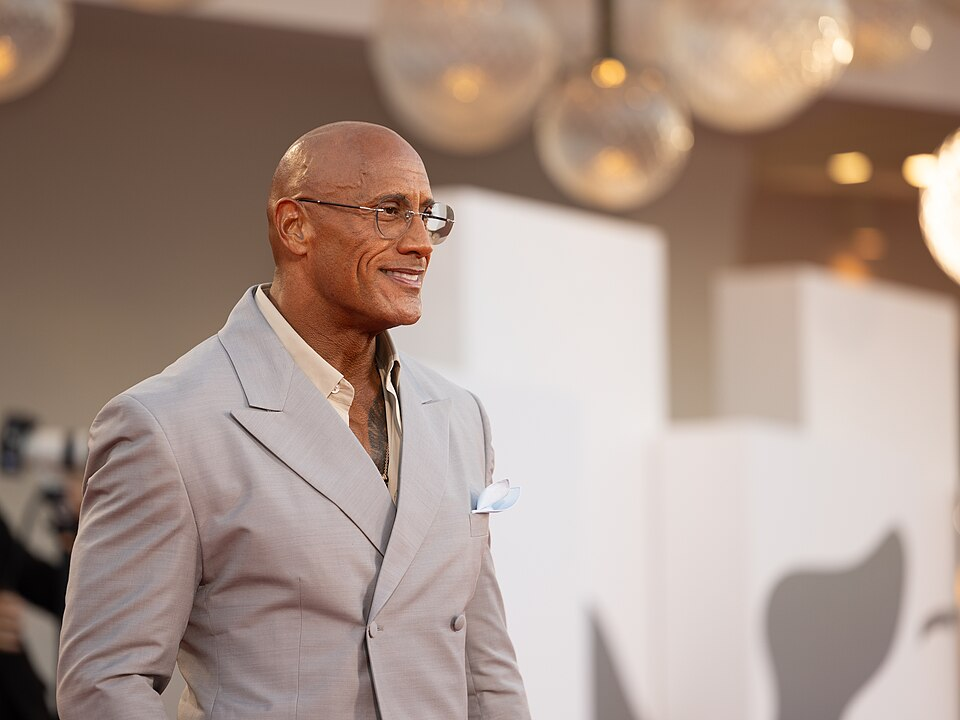
The ‘Jumanji’ star shared that he and his wife, Lauren Hashian, have spent considerable time processing the reception. “We had a lot of these conversations at home, at the kitchen island late at night when the babies are asleep,” Johnson revealed, offering a glimpse into the personal reflections that accompanied the professional reckoning. These intimate discussions between the couple, who also served as producers on the project, highlight the deeply personal investment both brought to the film.
What emerges from Johnson’s reflections is a clear understanding that the purpose of this adaptation extended far beyond box office numbers or critical acclaim. For him, the project was always about something greater—a commitment to showcasing Polynesian culture on a global stage. “The culture really stood up,” Johnson emphasized, speaking with palpable pride about the community’s response. He expressed particular satisfaction in knowing that “because of me and our kids who can now look at the big screen and go, ‘That’s us for the first time on a big screen. That’s us up there. How cool is that?'”
This sentiment captures the essence of what made the project so meaningful to Johnson, who has long been vocal about his Samoan heritage. The opportunity to bring authentic representation to the forefront was never lost on him, even as creative decisions drew criticism from some quarters. The balance between honoring the original while expanding upon its world represents one of cinema’s most delicate challenges, and Johnson seems genuinely at peace with how the team navigated this complex terrain.
Hashian, who shared producer credits alongside her husband, echoed his sentiments during the same interview. Her perspective adds another layer to the conversation, particularly as a mother witnessing the film’s impact through her children’s eyes. “The whole community, the whole culture, really showed up, and they understood,” she observed, drawing attention to the deeper resonance that transcended critical reception. “Even if you’re not Polynesian, I think we can understand family and love and loss and perseverance—especially as a mom. Having kids and watching it through their eyes, for me, it’s very magical.”
The response from Polynesian communities has been particularly noteworthy, as many have embraced the opportunity to see their heritage represented in a major Hollywood production. This cultural validation, Johnson suggests, outweighs any critical disappointment. The actor’s commitment to elevating underrepresented narratives has been a consistent thread throughout his career, and the ‘Moana’ project represents perhaps his most ambitious effort in this regard.
Industry observers have noted that the live-action adaptation faced unusually high expectations, given the original film’s beloved status and its groundbreaking representation of Pacific Islander culture. The animated ‘Moana’ broke new ground in 2016, and many wondered whether a live-action version could capture the same magic while adding fresh elements. Johnson and his team took on this challenge knowing full well that comparisons would be inevitable and that pleasing everyone would be impossible.
The production itself was a massive undertaking, requiring significant resources and creative energy to bring the vibrant world of Motunui to life. The casting decisions, particularly the choice to feature new performers alongside established stars, were carefully considered. Johnson’s decision to return to the role of Maui demonstrated his dedication to the character and the world that had become so meaningful to audiences worldwide.
What makes Johnson’s response particularly noteworthy is his refusal to become defensive about the criticism. Instead, he has chosen to acknowledge the validity of different perspectives while maintaining focus on the positive impact the film has had. This balanced approach reflects the maturity of an actor who has navigated public scrutiny for decades, understanding that artistic endeavors inevitably provoke varied responses.