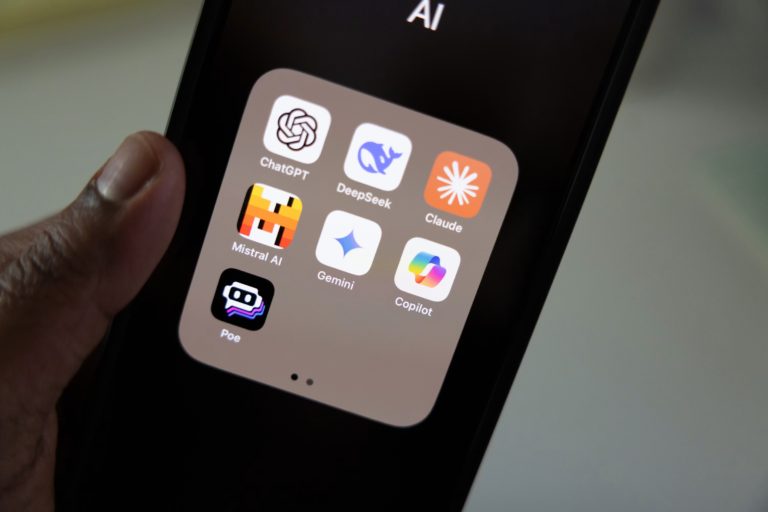
The artificial intelligence landscape in China witnessed a watershed moment this week as Alibaba unveiled its most ambitious AI model to date, while DeepSeek simultaneously disrupted the market with unprecedented cost efficiencies. These parallel developments, announced on the same day, have sent shockwaves through the global technology sector and reinforced China’s determination to compete at the highest levels of AI innovation without sacrificing accessibility.
Alibaba’s Qwen3.8-Max represents the e-commerce giant’s most sophisticated foray into large language models, featuring an astonishing 2.4 trillion parameters that place it among the most computationally intensive AI systems ever created. This figure approaches the specifications of domestic rival Moonshot AI’s recently launched Kimi K3, which boasts 2.8 trillion parameters, signaling a new era of scale in Chinese AI development. While parameter count alone does not guarantee superior performance, it has emerged as a crucial metric for evaluating the computational power and data processing capabilities behind advanced AI architectures. The model’s introduction immediately propelled Alibaba’s stock price upward by seven percent in Hong Kong trading, reflecting investor confidence in the company’s technological trajectory and its ability to maintain competitiveness in an increasingly crowded field.
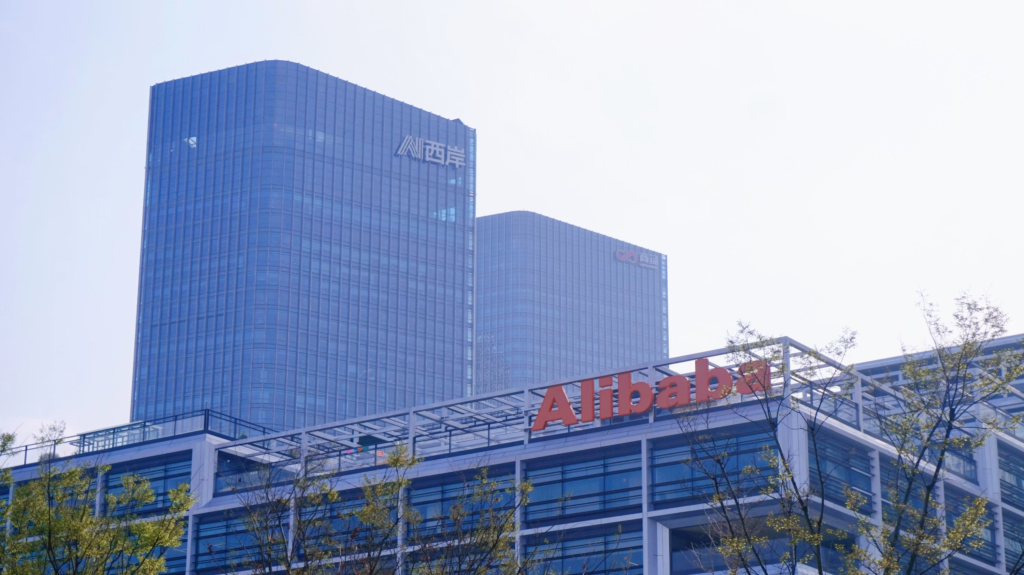
The timing of these launches highlights the frenetic pace at which Chinese technology companies are advancing their AI capabilities. Both Alibaba and DeepSeek have embraced open-weight models, allowing developers worldwide to download the underlying learned parameters and adapt the systems to their specific needs. This strategic approach stands in stark contrast to closed-source competitors such as OpenAI, Anthropic, and Google, who maintain proprietary control over their model architectures. The decision to prioritize transparency and accessibility appears calculated to capture the loyalty of the global developer community, many of whom value the flexibility to customize and fine-tune AI systems without being locked into restrictive ecosystems.
In a development that has captured particular attention within the industry, DeepSeek’s V4-Flash has achieved what many analysts describe as a pricing breakthrough. According to research firm observations, the cost to run this model is remarkably lower than comparable offerings, with estimates suggesting it is more than one hundred times cheaper to operate than Anthropic’s Claude Fable 5. This dramatic pricing differential could fundamentally reshape the economics of AI deployment, potentially democratizing access to advanced language models that have previously been accessible only to organizations with substantial computational budgets. The implications for small and medium-sized enterprises, educational institutions, and research organizations could be transformative, potentially accelerating AI adoption across sectors that have been priced out of the market.
Lian Jye Su, chief analyst at research firm Omdia, offered valuable context on the strategic thinking driving these developments. As he noted, Chinese AI companies have found an important market, and many business workflows do not require the industry’s very best model. Instead, organizations need models that are good enough, affordable, transparent, and accessible, and open-weight models help meet that demand. This observation underscores a fundamental shift in how AI value is being defined, moving beyond the pursuit of absolute performance toward a more nuanced understanding of what constitutes practical, deployable AI infrastructure.
The immediate impact of Qwen3.8-Max on industry leaderboards was nothing short of remarkable. Upon its debut on the crowdsourced model-comparison platform Arena.AI, the model quickly ascended to become the highest-ranking Chinese model among text-based AI systems. However, it still trails behind several Anthropic offerings, including Claude Fable 5 and three Opus variants, indicating that while Chinese AI has made extraordinary progress, leading American developers maintain certain advantages in specific performance benchmarks. This competitive dynamic has created a healthy tension within the industry, driving innovation while maintaining clear differentiators among major players.
The rapid advancement of Chinese AI capabilities has been fueled by massive investment in computational infrastructure, talent acquisition, and research and development. Both Alibaba and DeepSeek have leveraged China’s substantial data resources and engineering talent pool to accelerate their development cycles, often outpacing Western counterparts in specific areas such as cost optimization and deployment efficiency. The open-weight approach has also facilitated more rapid iteration cycles, as the global developer community can contribute improvements and identify vulnerabilities that might otherwise go undetected.
The cost implications of DeepSeek’s pricing strategy deserve particular attention. By offering ultra-low-cost access to advanced AI capabilities, the company is positioning itself as a disrupter in a market that has been characterized by escalating computational costs and increasing barriers to entry. This approach could have far-reaching consequences for the AI ecosystem, potentially forcing established players to reconsider their pricing models and explore more accessible deployment options. The development also raises questions about the sustainability of such aggressive pricing, though DeepSeek’s confidence in this strategy suggests they have identified operational efficiencies that enable competitive advantage.
Both companies appear to be targeting different market segments with their respective launches. Alibaba’s massive parameter count positions Qwen3.8-Max as a premium offering suitable for complex applications requiring deep contextual understanding and sophisticated reasoning capabilities. In contrast, DeepSeek’s cost-focused V4-Flash appears designed for applications where affordability and accessibility take precedence over absolute performance, potentially capturing a larger volume of deployments across diverse business use cases. This strategic differentiation could allow both companies to coexist and thrive in what is becoming a rapidly maturing market.
The global implications of these developments extend beyond commercial competition. China’s commitment to open-weight models represents a philosophical alternative to the proprietary approaches favored by American tech giants. This divergence could create parallel AI ecosystems with different strengths, weaknesses, and values, potentially complicating international collaboration and regulatory frameworks. The Chinese approach emphasizes transparency and accessibility, while the American model prioritizes performance and exclusivity, reflecting different assumptions about how AI should be developed and deployed.
Industry observers have noted that the competitive landscape is evolving so rapidly that advantages may prove fleeting. Today’s record-breaking model could be surpassed within months, creating a continuous cycle of innovation that benefits end users while challenging developers to maintain relevance. This environment requires sustained investment and the ability to anticipate future requirements rather than merely responding to current competitive pressures.
The significance of the current moment extends beyond purely technical achievements. China’s AI companies are demonstrating that they can compete effectively at the highest levels of AI development while also offering compelling value propositions in terms of cost and accessibility. This dual capability could fundamentally reshape global perceptions of Chinese technological capabilities and accelerate international adoption of Chinese-developed AI systems.