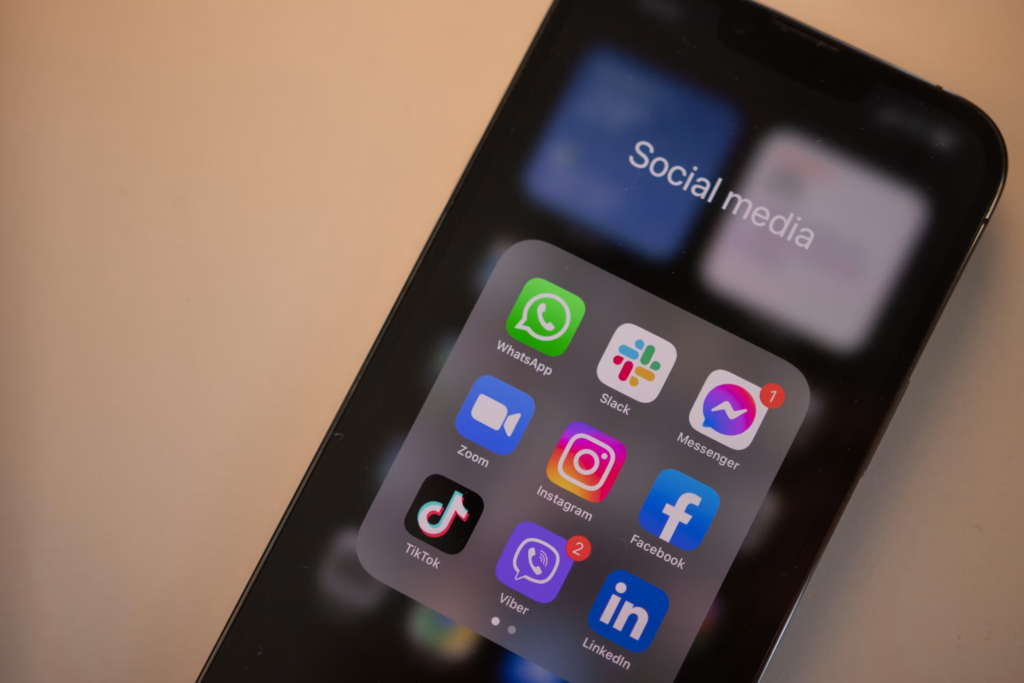
Despite the new data, which shows that the overwhelming majority of teenagers are using social media platforms months after the laws to ban their use by minors under 16 came into effect, the Australian government remains adamant that the policy was ahead of its time. With the restrictions in place for three months, the nation’s internet regulator has released results on Friday that show over 80 per cent of Australian adolescents remain active on social media, offering a glimpse of the daunting enforcement task ahead of an Internet policy experiment being closely watched internationally.
The act, which became law on December tenth, marked a historic step in the government’s approach to regulating the online experiences of young people, unprecedented in the history of any nation. The legislation had been introduced by Australian lawmakers due to the growing concern about the negative impacts of social media on the mental and physical well-being of young people, especially with regard to sleep, eating habits, body image, cyberbullying, and predatory behavior. The law has been in the spotlight internationally with governments of other countries observing the Australian experience and considering introducing laws in their own jurisdictions. The ban has sparked widespread criticism from social media companies, which are mostly based in the United States, who have condemned it as an infringement on freedom of speech and a violation of their rights.The ban has been met with strong resistance from social media companies, which are primarily based in the United States, who have raised questions about the scope of government authority in the digital era.
Assistant Minister for Productivity, Competition, Charities and Treasury Andrew Leigh responded strongly to the regulator’s assertion in televised comments on Saturday that the legislation is not being fully complied with. Leigh claimed the ban had already brought about a ‘cultural change’ in the way parents think about and expect children to consume digital content, and that this had already been accomplished. Despite the fact that there are still many kids using the platform, we’ve eliminated millions of accounts, Leigh said, emphasising the tangible results already seen. Comparing other regulations which are age based, the assistant minister made a pretty good point with the fact that even the minimum drinking age has been established for a long time it does not guarantee the compliance of everyone, however that is not to say that it should not be on the statute books. We never thought we would get 100 per cent compliance, he admitted, adding that this is a commitment of society as a whole, and not a quick solution to all problems created by the digital age for young people.
The eSafety study that led to this defence warned of the immediate success of the ban in particular. Researchers discovered that children aged 10 to 15 are using social media at the exact same rate as before the ban was put in place on December tenth. But it may have had the opposite effect on transparency between parents and children about online behaviour, as evidenced by a parallel drop in awareness about their children’s online activity during the same period, according to those who are pushing for this legislation. The results were consistent with prior snapshot data eSafety has published, about three months before the centre-left Labor government announced plans to massively increase the penalties that can be levied on tech companies which have failed in their duties to ensure compliance with the restrictions.
One of the study’s findings highlighted the critical nature of policing a virtual environment that permeates daily existence and the enforcement hurdles that have been surfaced. Social media is embedded in young people’s communication, friendship building and sustaining, entertainment and social relationships. The ban calls on platforms to put in place age-verification systems that are able to accurately detect and block users under the age of 16, which is a technical hurdle not easily solved with current technology. Kids have found lots of ingenious ways around these problems, including using a virtual private network to hide their identities, faking identification or borrowing from grandparents or older brothers and sisters. This is an illustration of the difficulty of regulation-based methods of technology governance, especially when they clash with established social norms and technology capabilities.
At a policy level, there are several lessons to be learned from the Australian experience for other jurisdictions considering similar restrictions. The ban has proved to be effective in raising awareness among the public about the issue of digital wellbeing in children, causing schools, families and community groups to become more engaged in discussions about appropriate use of technology. Parental attitudes seem to have become more attuned, with the majority recognising that there can be negative consequences to unchecked access to social media, although there has been less success in changing the actual behaviours of young people. The act has also forced social media platforms to start spending on age verification tools and content moderation systems, which could be improved and utilized more in the future. Some critics, however, raise concerns that the policies are still not sufficiently effective in delivering what they are meant to achieve, and that the significant resources invested in enforcement and compliance could have been better spent on education, digital literacy and support to families in the midst of these challenges.