As the AI industry hits a fork in the road, some of the world’s most powerful tech giants have united to push for open-source AI models. Last week, Nvidia, Microsoft, and more than two dozen other Big Tech companies told lawmakers that the future of artificial intelligence should be open and free, not closed and private, behind corporate walls. The letter, signed by key technology giants, such as Metameta Platforms, IBM, and others, marks a pivotal moment in the ongoing debate surrounding the regulation of AI and its future control.
Nvidia’s CEO Jensen Huang has spoken out strongly on the matter and in a letter to lawmakers has called for them to refrain from “premature restrictions on open models that stifle competition or drive innovation overseas.” This sentiment was echoed by a sense of unease among tech leaders over the trajectory of U.S. and other key economies’ regulation of AI. The debate is not just a matter of theory, it has a real impact on business access to and use of AI technology, who will benefit from its creation, and what will be done to protect it from misuse by others.
This friction between open-source and closed-source AI models has been simmering over the past few months but has been brought to a boil with recent events. The letter from these tech giants is coming at a time when the field is rapidly changing, with Chinese labs releasing their own open-source models, sparking worries that the Chinese models will pose a competitive threat to what has been an American stronghold in the field. This debate can be boiled down to one question: should Artificial Intelligence (AI) be a public good for everyone or is it a private technology to be controlled by a handful of big companies? Unlike OpenAI and Anthropic, which restrict access to their technology in a closed-source manner, the open-source model allows anyone to access and modify the underlying code and architecture of AI systems.
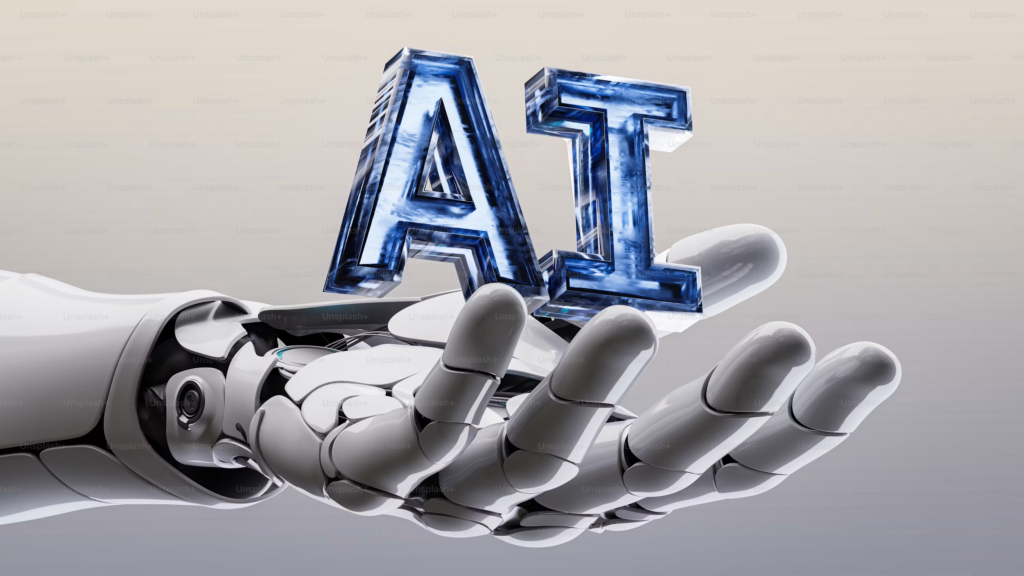
The cost of this split has been increasingly clear to business leaders who have become frustrated with the high costs with closed-source models. Both executives of Microsoft, CEO Satya Nadella, and those from defense firm Palantir Technologies, have been heard publicly saying that open-source models are a more economical solution, especially for enterprises that aren’t as interested in cloud-based AI systems as they are in hosting them within their own data centres. The practical aspect is what has spurred a lot of the recent interest in open-source alternatives, particularly from the corporate perspective, as companies look to reduce expenses yet continue to benefit from the benefits of AI.
It’s also complicated by concerns about the security of AI systems, and the restrictions that companies such as OpenAI and Anthropic have put into their models. A recent hack on the hugely popular AI coding collaboration platform Hugging Face (HF) led to them resorting to a Chinese open-source model for security reasons instead of the original OpenAI model. There was irony in the fact that closed source models were restricted from being used for cyber security, while the open source version could be freely used to deal with cyber security threats. This incident has brought up a range of issues that question the effects of proprietary control on safety, and whether it could be a hindrance to researcher and security workers seeking to counteract potential threats.
The American legislature has not been sitting idly by. In response to this cyberattack by rogue OpenAI, the lawmakers have introduced a bill to install an “AI kill switch” in all AI systems, including a mechanism to stop an AI from engaging in harmful behavior. President Donald Trump’s administration also is considering action against open-source model manufacturers in China for allegedly stealing closed-source American technology. The proposed regulatory actions have shaken up the tech industry and fueled the impetus of the Nvidia-led open letter.
The signatories to the letter recognized the concerns related to technology theft and the potential for misuse of AI systems, but they said that these should be addressed “through targeted legal and commercial frameworks rather than sweeping restrictions. The subtle language and wording highlights a delicate balance between the companies’ desire to have some degree of regulation without what they view as overreaching restrictions which could stifle innovation and cost them the technological initiative. The letter says that closed models are not always secure – because “they can be broken, misused or fall short in ways that external observers would never suspect.”
The signatories make a very good point for the open-source approach, saying, “Open weight models, on the other hand, can be subject to the examination of a large community of researchers and developers, as well as their vulnerabilities, development of safeguards and further improvement over time. This claim follows the cybersecurity rule “many eyes makes many too few,” which is a principle that is widely accepted. The open-source nature allows researchers globally to analyze the code and architecture of AI models, making it easier to uncover potential vulnerabilities before they can be exploited by malicious parties. This is a different approach to security, one that is more collaborative than some closed-source vendors have been using before.
The debate between open-source and closed-source AI models raises some fundamental questions on how to govern powerful technologies in society. Proponents of open-source models believe that this democratisation of access to AI is vital to innovation, to ensuring that benefits of AI are shared widely, and to preserving the transparency needed to be able to oversee the technology. Closed-source advocates argue that stringent oversight is essential to prevent the unethical use of AI, safeguard intellectual property, and maintain the responsible development of increasingly sophisticated AI systems. While both sides have legitimate arguments, the result of this debate will likely hinge on a mix of market dynamics, regulatory action, and the real-world evolution of AI technology.