DeepSeek, the artificial intelligence startup that became an unexpected symbol of China’s technological ambition, is finalizing its maiden funding round of approximately fifty billion yuan, or around seven point four billion dollars. According to people with direct knowledge of the matter, the round includes prominent backers such as Tencent Holdings and CATL, the electric vehicle battery giant. The investment could value the company after funding at somewhere between three hundred fifty billion and four hundred billion yuan, which translates to roughly fifty two billion to fifty nine billion dollars. The sources asked not to be identified because the details remain confidential.
This fundraising marks a major strategic shift for DeepSeek. For years, the company deliberately avoided outside capital, a policy made possible by founder Liang Wenfeng’s quantitative hedge fund High Flyer, which provided steady financial support. But the AI landscape has changed dramatically. The industry is moving beyond the low cost, open source chatbot models that first put DeepSeek on the map. Today the focus is on AI agents, systems designed to handle far more complex tasks with much less human intervention. These agents require enormous amounts of computing power, and staying competitive means spending at levels that internal funding alone cannot sustain.
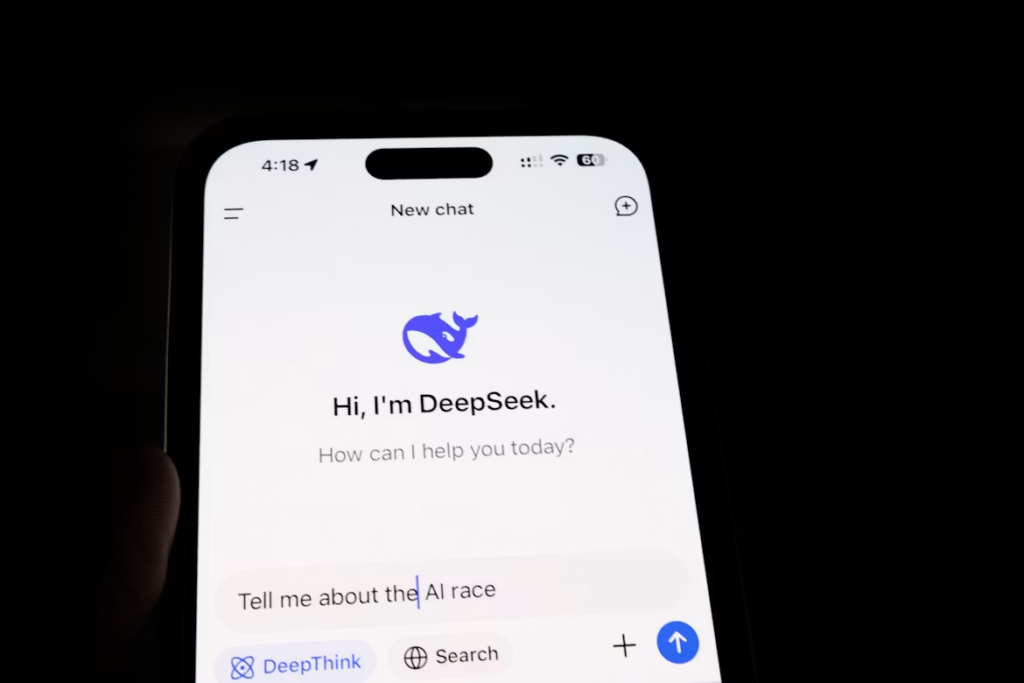
DeepSeek first captured global attention early last year with its V3 and R1 models, which drew genuine admiration in Silicon Valley and forced many American observers to rethink their assumptions about China’s AI capabilities. The startup became, in effect, China’s unofficial national AI champion. In April, the company announced that its next generation model, the agent focused V4, had redefined the state of the art for open source models. Yet third party evaluations suggest that the V4 still trails behind the best models from some of its American and Chinese rivals. That gap, while not enormous, points to the intense pressure DeepSeek now faces.
The numbers in this funding round are substantial by any normal measure, ranking among China’s largest private tech fundraisings. Yet context matters enormously. Just last month, Anthropic raised sixty five billion dollars, and OpenAI raised a staggering one hundred twenty two billion dollars in March. Both of those companies benefit from the deep, fluid pools of Western capital. DeepSeek does not have that advantage. It operates under geopolitical constraints that confine its fundraising almost entirely to China, and those same constraints shape its hardware strategy and corporate decisions.
Alfredo Montufar Helu, a Beijing based managing director at Ankura China Advisors, offered a sobering assessment. “Western export bans mean DeepSeek cannot access frontier American silicon. Without the ability to buy that hardware, they have no reason to match the multi billion dollar computing budgets of their U.S. rivals,” he said.
That quote captures the central dilemma. Even with seven billion dollars in fresh funding, DeepSeek is playing a different game than its American counterparts. It cannot simply throw money at the most advanced chips, because those chips are off limits. Instead the company must compensate through algorithmic efficiency, clever engineering, and a deep understanding of the hardware that remains available. That is not impossible, but it is a harder path.
Tencent and CATL are set to become the largest external investors in this round, according to the same sources, with NetEase and JD.com also participating. The involvement of these names tells its own story. Tencent brings distribution and integration opportunities across social media and gaming. CATL, as a hardware giant, offers potential synergies in industrial AI and manufacturing automation. These are not random financial bets, they are strategic alignments that suggest DeepSeek intends to embed itself deeply into China’s broader technology ecosystem.
For Liang Wenfeng, accepting outside money after years of independence must feel like a reluctant but necessary step. The AI arms race does not reward patience or pride. It rewards scale, speed, and access. DeepSeek still has real strengths, including a loyal developer community, a reputation for efficiency, and a government that would prefer to see a domestic champion succeed. But the path ahead is uncertain. Raising billions is one thing, turning that money into models that genuinely outperform Western rivals is another entirely.