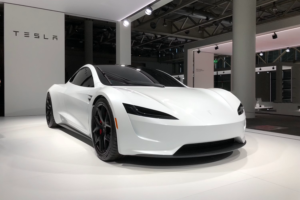
Tesla officially announced the new addition of its unsupervised robotaxi service across the entire Austin Metro area in Texas, a move in a stride that will help the company towards commercially viable autonomous ride hailing services. The electric vehicle company, which has been gradually moving towards a new AI and robotics strategy, officially announced the launch on Wednesday. The move is viewed as a vital part of Tesla’s longer-term strategy, particularly since Chief Executive Officer Elon Musk shifted the company’s focus to AI-powered technologies. The unsupervised robotaxi service, which eliminates human safety monitors from the vehicle during its operation, is now available in all of the Austin region, and a milestone that many in the industry have been watching for has come to pass.
Personally, I think it represents an unpretentious, but significant change in perspective on how we could one day envision daily commutes and city mobility. It seemed like science fiction a year ago when a test zone was mentioned that was tightly guarded, and someone hopped into a car with no one behind the wheel. Today, Austinites are experiencing that reality, albeit with some understandable dislocations along the way. The service is already running in Austin for almost a year, but up until now, it has not been in full metro-area coverage, without requiring human backup driving. In that pilot phase, customers were sometimes waiting for more than half an hour, which is a reminder to us that convenience at scale doesn’t happen all at once. But the removal of a safety supervisor altogether implies Tesla has reached a point of certainty that data and actual usage have crossed an acceptable and reliable point.
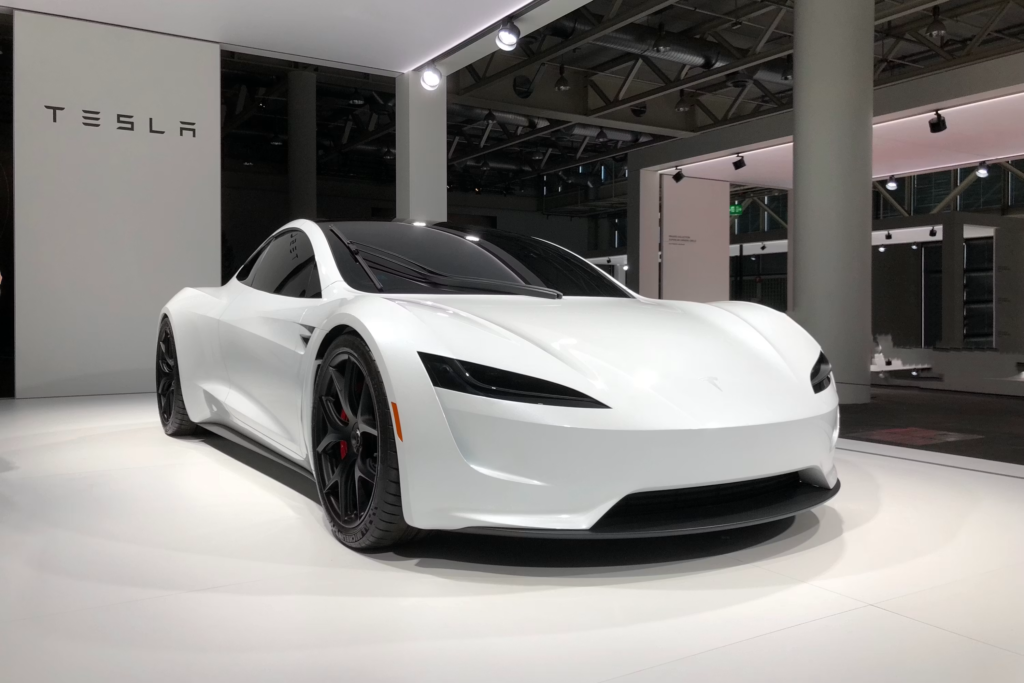
The rollout here is especially compelling as an industry expertise point of view, given that this launch is happening in the same city as the primary competitor. Tesla currently has approximately fifty vehicles running as robotaxis in Austin, according to Austin officials, who presented at a press conference to announce the decision. Waymo, on the other hand, conducts over two hundred and fifty trips in the same Austin Metro region via its vehicles operated by Alphabet. The size difference in fleets speaks to two very different autonomous vehicle strategies. Instead, Waymo has been busy in highly mapped urban areas, where it takes a more conservative approach with lots of sensors and pre-mapping. By comparison, Tesla is more dependent on cameras and neural networks trained on a vast amount of actual driving data from its fleet of customers. Both have yet to be a clear winner, but the same Texas city is being used to stage a head-to-head test for both, providing a rare laboratory to analysts and regulators.
In a post on X, Tesla’s official robotaxi Twitter account shared that unsupervised robotaxi service is now available throughout the Austin Metro area. The wording is important here as “unsupervised” isn’t simply a marketing phrase. There is no human safety driver available to take the wheel at a second’s notice, there is no remote human operator and there is no need for a human to intervene. From start to finish, the entire responsibility for navigation, avoiding obstacles, obeying traffic laws and ensuring the safety of passengers rests with the car. Tesla has been working toward that level of trust in automation for 10 years, and although the company has been subjected to skepticism from other states’ safety advocates and regulators, Texas has been more accommodating with a legal environment. There is no specific legislation prohibiting the full driverless operation, and generally state laws and regulations permit companies to test and deploy autonomous vehicles as long as they have a basic safety and insurance package.
In a previous post last month, Elon Musk forecast that a driverless car without a safety monitor will begin appearing in the U.S. in “the second half of this year” after they were first seen in Texas. But that’s just the beginning, according to that comment. Other cities with good weather, easy road designs, and pro-innovation city administrations may not be far behind. But balance also needs to be achieved by recognising that there are genuine challenges to widespread adoption. Opinion is divided, with some passengers excited about the technology and others far from comfortable about being in a car without a driver there in case of an emergency. Then there are the unknowns regarding what these cars do when there are situations that you encounter on the edge of the road such as construction areas with hand signals, police officers directing traffic following an accident, unexpected road flooding, etc. The camera-only system works best in good conditions with good signage, and has been a challenge in heavy rain, direct sunlight glare and poorly marked roads.
The trustworthiness side of the coin is also interesting, as Tesla has yet to provide a breakdown of safety data that apply to its Austin robotaxi fleet. While the company has previously disclosed overall accident statistics on the number of accidents per million miles driven with Autopilot on, unsupervised urban robotaxi service is not the same. Since there’s no third party auditing or publicly available disengagement reports, passengers and local officials are mostly being taken at Tesla’s word. It’s not to say that the service is unsafe, but it does indicate that trust is currently based on brand reputation, not open information. Likewise, the economic return of this service is not known. This is a small fleet compared to the thousands of drivers in Austin who currently make a living with traditional ride hail services, such as Uber or Lyft. If wait times during the pilot phase are taking more than 30 minutes, that means that if the program is expanded, there will need to be a significantly larger number of vehicles on the road, and a much larger number of cars will need to be built and capital will need to be invested in that production.If wait times during the pilot phase take more than 30 minutes, that means if the program expands there will need to be a lot more vehicles on the road, a lot more cars built, and a lot more money invested in the manufacturing of them – something that Tesla may prefer to do elsewhere.