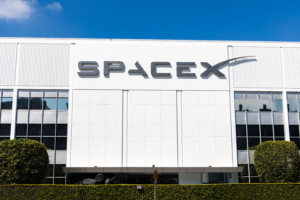
It seemed like a sci-fi dream when the concept of constructing data centres in orbit was brought up, in space. Now, however, some of the world’s largest technology companies seem poised to make that a reality. Google is reportedly in talks with SpaceX CEO Elon Musk to launch rockets, as part of a “new, ambitious initiative on orbital data centers.” A successful partnership might have implications for the future of artificial intelligence, cloud computing, and worldwide internet infrastructure.
The reported discussions demonstrate the speed at which the tech sector is trying to find new methods to deal with the immense demands placed on AI systems. Modern AI tools have massive power needs, electricity consumption, and cooling requirements. Earth-based, conventional data centers are already using substantial energy, and firms are increasingly under pressure to identify the cleaner and more efficient alternatives. One of the most ambitious solutions currently being considered is that of space-based computing.

Google’s interest in orbital infrastructure is connected to the larger Project Suncatcher research program. The company originally announced information about the program late last year, stating that it was examining the possibility of data centers in orbit someday providing services for global computing networks. Google is reportedly planning two prototype satellites to launch in early 2027. These satellites would be used to determine if the technology of data processing in space is technically and economically feasible in the future.
It is an extreme concept but for good reasons that big companies are not taking it lightly. Earth-based data centers create a lot of heat, and need expensive cooling systems which consume a lot of electricity. The temperatures are naturally cold in orbit and this might lead to a decrease in some cooling requirements. In addition, space is also a place where solar energy can be more plentiful since there will be no interruption to the flow of sunlight due to weather or nighttime conditions. The benefits these engineers believe could make orbital computing energy efficient in the future when compared to many ground based facilities.
Nevertheless, the challenges are huge. It is very costly to send heavy computing gear into orbit. Despite the cost reduction of reusable rockets in the last decade, a complex space delivery system, such as high-tech servers and networking systems, would still need to be planned and invested in. It’s also much more challenging to maintain hardware once it is off of Earth. A plain technical problem can become a complicated space operation, with millions of dollars of cost if it occurs in a terrestrial data center.
That’s where SpaceX comes in. The company has become one of the largest launch services in the world with its reusable rockets Falcon and its growing starship program. SpaceX has already revolutionized the economics of space travel through reducing the cost of launch and making missions more frequent. Experts believe the company is one of the few companies left who can support such an ambitious project as orbital computing infrastructure.
It also underscores an intriguing shift in dynamics within the tech industry as Google and SpaceX reportedly discuss the launch of its own space company. In recent years, Elon Musk has been vocal against multiple AI firms, including predictions that AI poses a threat and an open attack on the competition. However, business realities seem to be encouraging co-operation. The collaboration with Google would be another significant example of Musk cooperating with a company that he had clashed with in public discourse in the past.
Just a few days ago, news broke of AI firm Anthropic signing up for 100% of SpaceX’s computing power at Colossus 1 in Memphis. Anthropic also reportedly wanted to work with SpaceX on some future data centre endeavours in orbit that would generate several gigawatts of computation. The energy consumption figure is indicative of the rapid growth pace of AI systems across the globe. These sophisticated models now have the need for more infrastructure, a challenge many tech companies are racing toward.
AI computing is becoming one of the largest pressures in the technology industry, albeit unnoticed. The electric power consumption of data centers is already high worldwide, and it is projected that this will increase dramatically in the next ten years. Earthly governments and environmental organisations have also begun to ask themselves how sustainable the AI boom will be as companies continue to build huge energy consuming facilities on Earth.
This worry may have contributed to the growing interest in space-based computing, even though it is incredibly complex. Some scientists think that the orbital systems may be powered in the future by continuous sunlight power and have less strain on the power grid on the Earth. Others envision long term potential to shift energy-intensive computing resources from overcrowded urban sites to rural ones. Even though the technology is still not in the mainstream, businesses seem eager to invest in futuristic infrastructure capabilities that would support their long-term AI dominance.
Insiders in the tech space have likened the debate surrounding the coming orbital data centers to the era of the early days of cloud computing. It used to be years ago when a lot of experts were not sure that businesses could trust with remote cloud servers for their critical operations. Today, Cloud infrastructure runs most of the modern internet. Orbital supporters believe this could one day occur for the space-based infrastructure, though it’s not expected to be a reality for years.
Meanwhile, doubts are high. But the economics are called into question by critics, who doubt if it will ever be profitable on a large scale. Its launch is fraught with serious challenges like communication delays, equipment failure, and cybersecurity issues. Other experts also caution against the prospect of potentially new geopolitical conflicts regarding access to space and security of satellites if major computing facilities were located in orbit. Others argue that the effect of more rocket flights should also be taken into account when planning to grow the number of launches.
The talks are revealing the rapid pace at which technology is changing even as the participants are uncertain. The software battle isn’t the only reality of AI. It is now a battle for energy, computing power, infrastructure and physical resources. Businesses are now looking into concepts that would have seemed impossible a couple of years back.
But, for Google, orbital computing research could provide strategic benefits in addition to innovation. As the company races with Microsoft, Amazon and OpenAI for the throne in the AI game, the company’s infrastructure may prove to be an asset in the fight yet to come. SpaceX has also forged ties with big tech firms that may present new business prospects for it, beyond transportation and satellite internet services.