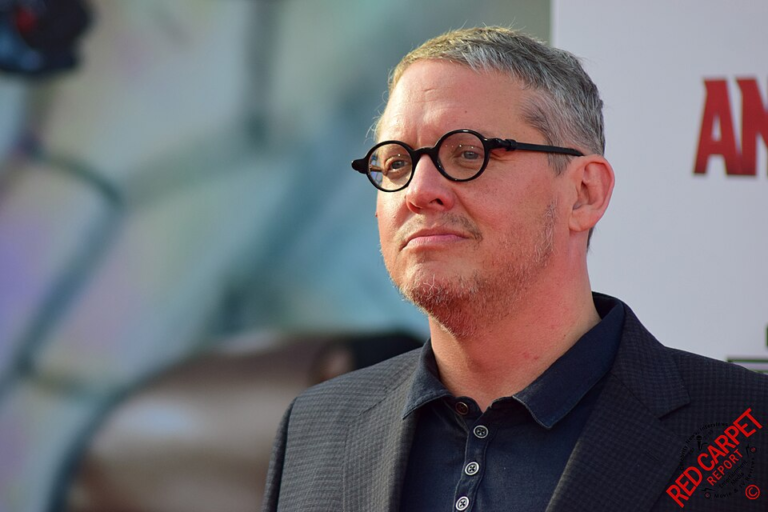
With anticipation mounting for The Devil Wears Prada 2, one question has stood out among those who have fond memories of the first movie: Where is Adrian Grenier? The follow-up to the beloved 2006 classic has triggered a nostalgic frenzy, with discussions of its characters, actors and its legacy. But the fact that Grenier, portraying Nate Cooper, the boyfriend of Anne Hathaway’s character, is not returning has been more noticeable than it might seem. To many fans, Nate was more than a side character, he was an essential part of the emotional landscape of the film, although attitudes towards him have shifted.
But the reasons for his absence have little to do with a dramatic falling out or artistic differences. Rather, it has to do with timing, audience attitudes and filmmaking. Grenier has expressed his thoughts on the sequel, and his transparency provides a touch of realism. In a recent interview, he expressed his disappointment but without rancour, “We’re all huge fans of the movie, whether you’re in it or not. I was obviously disappointed that I wasn’t asked to be in the sequel.” There’s a sense of the reality of the film industry in his words, but also a sense of his personal investment in the project that was important to his career.
The interesting thing is, Grenier wasn’t really out of the running. Reports say director David Frankel wanted to include him in a cameo. The concept indicates that the filmmakers didn’t entirely rule out the role of Nate. But filmmaking is often a process of prioritising and making choices that can affect the narrative. Frankel later clarified that the idea was there, but it couldn’t be realised, saying, “I had an idea about sneaking him into a cameo, and, in the end, it was just too late in our production schedule to make it happen.” It serves as a reminder that even the best intentions can be limited by time and necessity.
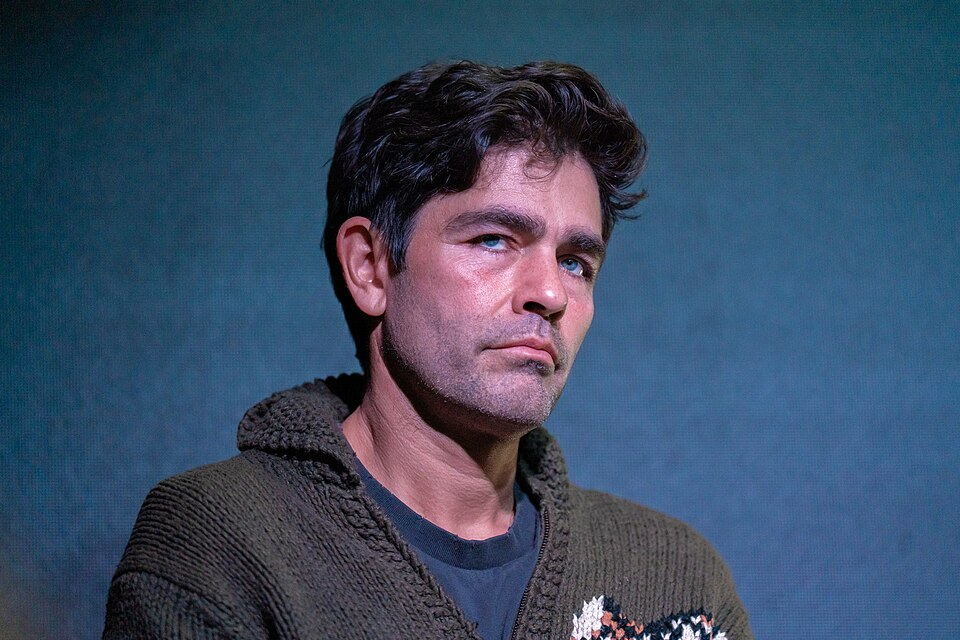
There’s also a cultural dimension to this story, as it illustrates how we come to reassess older films in a new light. Nate was originally viewed as a helpful, if impatient, boyfriend in the release of The Devil Wears Prada. Now, after some years, he has been recast in a more negative light on social media. People started to judge his actions as unsupportive, if not downright selfish, to Andy’s career development. Grenier himself was surprisingly reflective about this change, saying, “I also understand that there’s some backlash with Nate, the character, so that might have something to do with it. All those memes that came out were shocking to me. It hadn’t occurred to me until I started to really think about it, and perhaps it was because I was as immature as Nate was at the time, and in many ways he’s very selfish and self-involved…”
This shift in interpretation reflects that storytelling is fluid. As cultural paradigms shift, characters are re-evaluated and Nate is one such example. In our current culture, in which personal ambition and self-improvement is more overtly celebrated, Andy’s development is seen differently, and Nate’s reluctance for her to change is less relatable. While this may not be the direct reason for casting decisions in the sequel, it certainly provides an interesting backdrop.
Grenier has also taken a light-hearted approach to the matter, refusing to dwell on the past. In a recent ad, he jokingly described his character as follows, “He made a mean sandwich. He loved his girlfriend, to a point. He wasn’t perfect. So let’s leave Nate in 2006 and keep this good energy going.” This statement embodies both nostalgia and realism, paying homage to the character’s contributions to cinema while acknowledging the imperfections of life and the need for change.
For film studios, sequels can be tricky affairs, as they must reconcile past and present. Reintroducing characters can be a joy for fans, but it can also lead to a cluttered storyline or a return to storylines that have already been resolved. In The Devil Wears Prada 2, it seems the writers and directors have chosen to tell a new story, even if it meant casting aside some of the original cast. It’s a choice that speaks to both artistic choices and limitations on time and audience perceptions.
There’s also an element of realism in this scenario. Life doesn’t always move forward with the same characters and storylines. We progress, we evolve, we sometimes become too much of a story for the current time. Nate’s choice or fate, then, reflects its natural course. It enables the sequel to focus on new relationships without being too beholden to the past, if it also leaves a yearning for what could have been.
As for audience reactions, they show us how much we engage with characters, even controversial ones. The fact that fans are still curious about Nate suggests that The Devil Wears Prada is more than just a movie; it’s a cultural phenomenon that continues to be discussed, interpreted, and analysed decades later. This shows the film continues to resonate and that the performances were rich and complex.