The worldwide gaming business is coming to a recalibration phase, and the Epic Games has just become a part of an expanding list of organizations that have been forced to make challenging choices in order to remain afloat financially. Recently, the company announced it was going to reduce over 1,000 employees, and this action can be attributed to the internal factors as well as to the changes that the gaming market is facing. The core of this choice is an evident lack of interest in its flagship game, Fortnite, which used to characterize a period of online multiplayer experiences.
Fortnite has been a cultural phenomenon over the years. It was not merely a game but a virtual world in which people mingled, went to virtual concerts and took part in developing plots. It has become increasingly hard to sustain that degree of excitement though. Even the most successful live-service games are no longer able to earn attention on a regular basis as the expectations of players continue to shift and competition only grows. The recent action by Epic Games is an indication that even the giants in the industry are not immune to them.
Tim Sweeney who is the Chief Executive Officer of the company came directly to the employees and recognized the challenges that drove the decision. He mentioned that it has been hard to provide consistent Fortnite magic, citing the difficulty of maintaining the game as something interesting in the long-term view. His words are indicative of a more profound truth in the gaming business: maintaining long-term commitment means being innovative at all times and even in that case you are never sure of success.
In addition to the layoffs, Epic Games is practicing wider cost-reduction strategies to bring its fiscal status to par. They involve cutting on expenditure on advertisement and the external contractor and also leaving some positions vacant. These efforts will help save the company more than half a billion dollars. Sweeney said that he thought these alterations would put the company in a more sustainable position, indicating that the move though challenging, is part of a bigger plan on how to be sustainable in the long term.
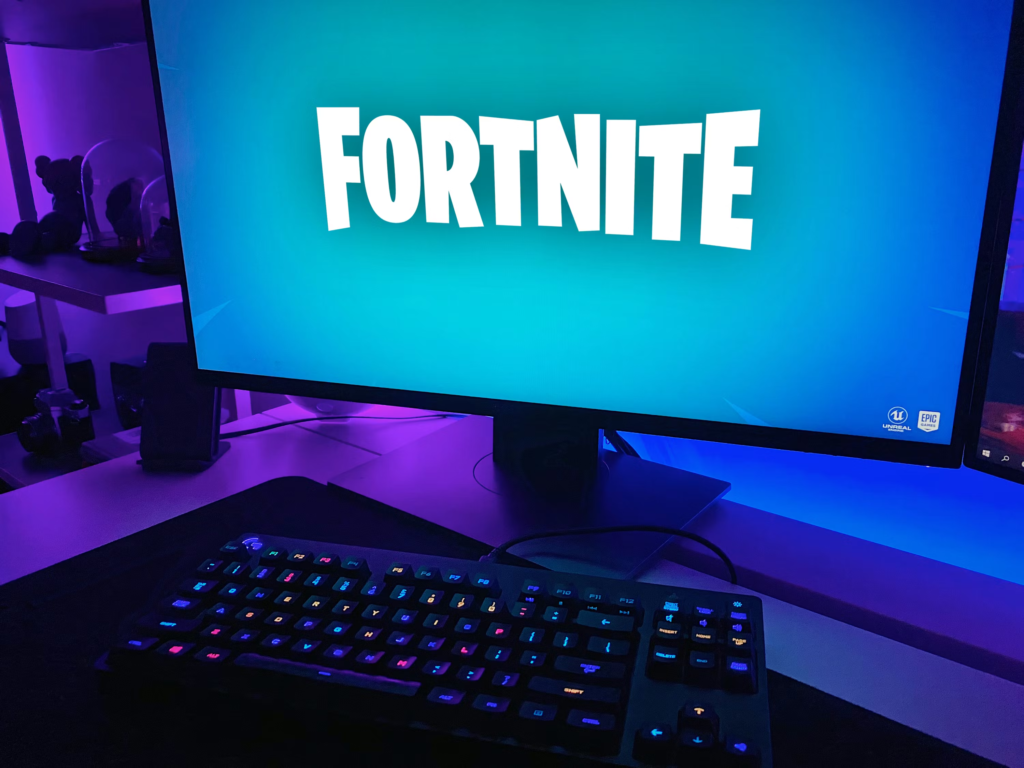
The fact that Fortnite itself is an established and still popular title is of particular interest to such a state of affairs. The very character of live-service games, however, presupposes that they are based on the constant involvement of players and not on a single purchase. To keep the players interested, it is expected to update the players with regular updates, new content and innovative features. Even the successful game can experience a decline in activity when the cycle runs too slowly or does not match the expectations. This puts a sustained strain on designers to produce, usually at a very high level.
The layoffs in Epic Games are not isolated. Throughout the gaming industry, firms have been struggling with reduced growth rates after having experienced a surge of growth in the pandemic years. During that period, there was an influx of users to gaming led by the increased time people stayed at home. Today, with the daily routine being normal and economic insecurity affecting purchasing patterns, lots of players are becoming more picky. They are not using new games instead of the ones they already have confidence in.
Sweeney emphasized the larger economic climate as a major cause of the difficulties faced by the company. “market conditions are the most extreme ever seen since the early 1 days of the company which was established in 1991. This assertion highlights the way the entertainment industry is being transformed by the external forces, including inflation and wary consumer demand. Gaming, that has been regarded as a hardy industry is currently undergoing the same turbulence as other industries.
A major clarification that Sweeney made was the role of artificial intelligence in these layoffs. The layoffs have nothing to do with AI, he remarked, in response to a mounting anxiety in the industry that computers will take the jobs of human development staff. His words imply that the issue of job cuts being made now is more politically motivated by economic factors and strategic reorganization than being affected by technology. This difference is relevant, particularly at the time when the discussion of AI and the safety of jobs acquires a more prominent role.
In a bigger view, the decision made by Epic Games is a sign of change in the way gaming companies think of the growth. It is changing the emphasis of fast growth to long-term operations. This usually involves tough decisions such as downsizing the work force to meet the demands of the market at that point. Although these are the hard choices that employees and the general populace face, they also demonstrate the need to be adaptable to such an industry that is characterized by a continuous change.
This is also a human story which could not be overlooked. Massive layoff does not only affect those who lose their positions, but the remaining ones as well in terms of morale. When it comes to creative businesses such as gaming where teamwork and innovation are paramount, it can be majorly difficult to sustain team spirit following such alterations. Companies are now left to juggle the money discipline and the need to nurture and keep talent without losing creativity in the process.
Simultaneously, the case of Fortnites could serve as an excellent example of digital entertainment lifecycle. Regardless of how successful a product is, in order to keep it relevant, it is necessary to produce effort and reinvent it. It might have worked yesterday but it might not work tomorrow particularly in an environment where the trends change fast and people want constant novelty.
The situation at Epic Games makes significant inquiries concerning the future of live-service games. Is it possible that developers would be able to satisfy the increasing needs of players without stretching their means too far? Can long-term commitment in a market that is becoming highly saturated be maintained? Epic Games are not the only company asking these questions to the whole industry.