Meta Platforms appears to be preparing for its most confident hardware move in years. According to recent reports, the company is weighing plans to significantly increase production of its AI-powered Ray-Ban smart glasses, potentially doubling annual output by the end of this year. If the move goes ahead, it would mark a decisive moment not just for Meta’s wearables strategy, but for how everyday consumers are beginning to accept artificial intelligence as something worn, not just held or typed into.
At the center of this development is Meta’s partnership with EssilorLuxottica, the European eyewear giant behind Ray-Ban. The collaboration, which began quietly in 2019, has matured into one of the most closely watched alliances in consumer technology. What started as an experimental attempt to blend fashion with functionality is now showing signs of commercial momentum strong enough to justify production targets as high as 20 million units annually, with the possibility of going beyond 30 million if demand continues to accelerate.
For Meta, this consideration reflects a noticeable shift in tone. The company has spent years investing heavily in Reality Labs, often drawing skepticism for burning cash on futuristic bets that seemed distant from everyday consumer behavior. Smart glasses, however, are proving different. Unlike bulky headsets or abstract metaverse concepts, Ray-Ban Meta glasses fit neatly into routines people already have. They look familiar, feel lightweight, and quietly layer digital assistance onto real life rather than replacing it.
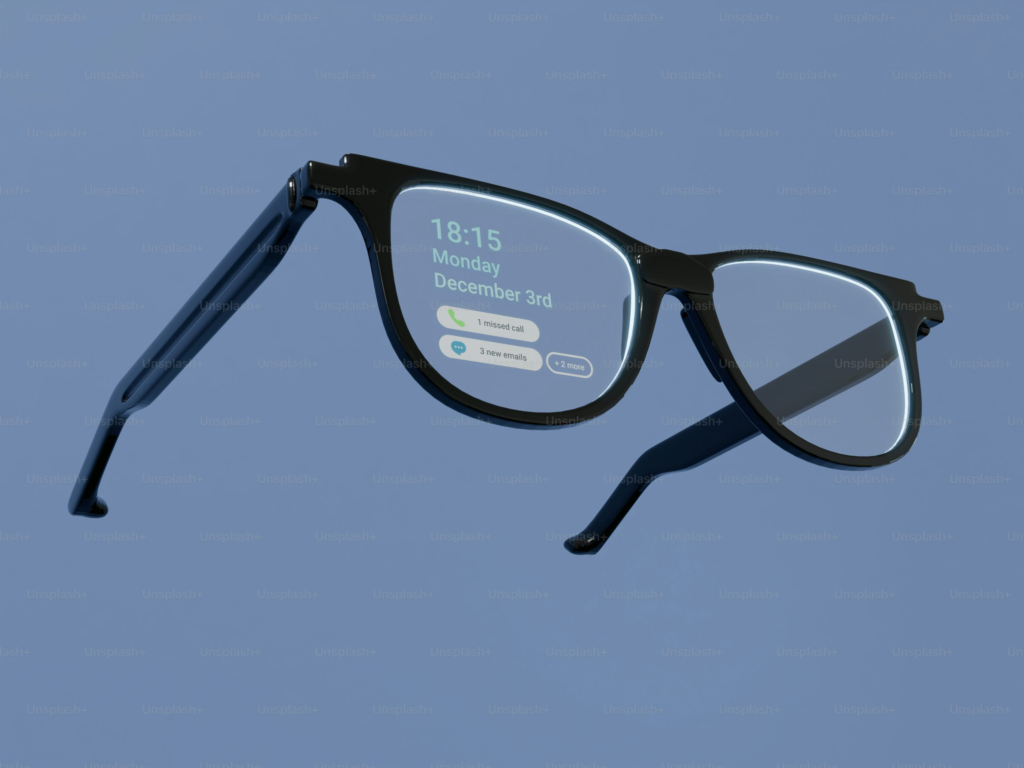
The appeal lies in subtlety. Wearers can take photos or short videos directly through embedded cameras, stream audio, and interact with an AI assistant without pulling out a phone. These are not revolutionary actions on their own, but together they represent a meaningful evolution in how technology blends into daily moments. The experience feels less like using a gadget and more like extending one’s senses slightly, which may explain why adoption has been stronger than many analysts initially expected.
EssilorLuxottica, which brings decades of expertise in large-scale eyewear manufacturing, is reportedly nearing its existing production goal of around 10 million pairs by late 2026. The fact that this target is already within reach has added weight to discussions about expanding capacity sooner. Back in October, the company publicly acknowledged plans to accelerate output for smart glasses, signaling that this category is no longer treated as a niche experiment but as a core growth opportunity.
What makes this moment particularly notable is the broader context in which it is unfolding. Meta recently paused the international rollout of certain Ray-Ban smart glass models due to supply constraints, choosing instead to prioritize the U.S. market. This decision alone speaks volumes. Companies rarely delay global expansion unless demand is strong enough at home to justify the trade-off. It suggests that sales are not just steady, but competitive enough to force difficult allocation choices.
At the same time, Meta has been tightening its belt elsewhere. Reports indicate that more than a thousand jobs are being cut from the Reality Labs division, the very unit responsible for developing virtual, augmented, and mixed-reality technologies. On the surface, this might appear contradictory. In reality, it reflects a sharpening of focus. Meta seems increasingly willing to scale back speculative projects while doubling down on products that demonstrate tangible consumer traction.
From an industry perspective, the growing confidence in smart glasses signals a potential inflection point. For years, the idea of replacing or even meaningfully supplementing smartphones has been met with skepticism. Early attempts at smart eyewear struggled with privacy concerns, limited utility, and awkward design. What feels different now is the convergence of improved AI, better hardware miniaturization, and a cultural shift toward ambient technology that works quietly in the background.
There is also a fashion credibility factor at play. Ray-Ban is not a tech brand trying to look stylish; it is a style icon incorporating technology. That distinction matters. Consumers are far more forgiving of small technical compromises when a product aligns with their identity and comfort. Wearing smart glasses that look like classic frames carries far less social friction than strapping on a conspicuous headset.
Still, the road ahead is not without challenges. Scaling production to tens of millions of units requires flawless coordination across supply chains, quality control, and component sourcing, especially when advanced sensors and AI hardware are involved. Any misstep could amplify issues at scale. Privacy remains another persistent concern. Even as these glasses become more common, public unease about always-on cameras and data collection has not disappeared. How Meta continues to address these concerns through design choices and transparent policies will influence long-term acceptance.
There is also the question of longevity. Strong early demand does not automatically translate into sustained adoption. Consumers may enjoy novelty, but lasting success will depend on whether the glasses continue to deliver meaningful utility without becoming intrusive or distracting. Incremental improvements in AI responsiveness, battery life, and software integration will matter more than flashy new features.
Yet, taken together, the signals are hard to ignore. Meta is not merely testing the waters anymore. Considering a production capacity of 20 million units, with room to grow further, suggests belief backed by data rather than hype. For a company often criticized for chasing distant visions, this moment feels grounded, almost pragmatic.