While some technology firms and even governments are weighing the rapid acceleration of powerful AI tools, OpenAI will not be going public in 2026, according to its chief executive, Sam Altman. The company doesn’t feel a need to go public right now, Altman said, and didn’t think an IPO was a great priority right now, given that there are tough questions about AI safety and alignment in the industry.
In an interview with Fortune, Altman stated that whereas preparing for a public listing was a “secondary” concern for OpenAI, it had more urgent matters. I mean, I think that, with all of the safety issues that are going on, right now would probably be a bad time to go public, and we don’t feel under the pressure to do that.
The move follows recent advances in AI’s capabilities, bringing the issue of the possible long-term dangers of advanced AI systems into the political and corporate mainstream. Governments are under pressure to impose more stringent measures and researchers and tech leaders are debating the pace at which frontier AI models should make the hop.
The biggest worry is the potential for super-intelligent AI to pose dangers that could exceed the capabilities of governments and corporations. When asked about the statistic that there may be a 10% chance that AI will lead to humans’ extinction, Altman wondered if it’s possible to accurately predict a percentage. Meanwhile, he emphasized the need to take seriously even the relatively low likelihood of “catastrophic harm.”
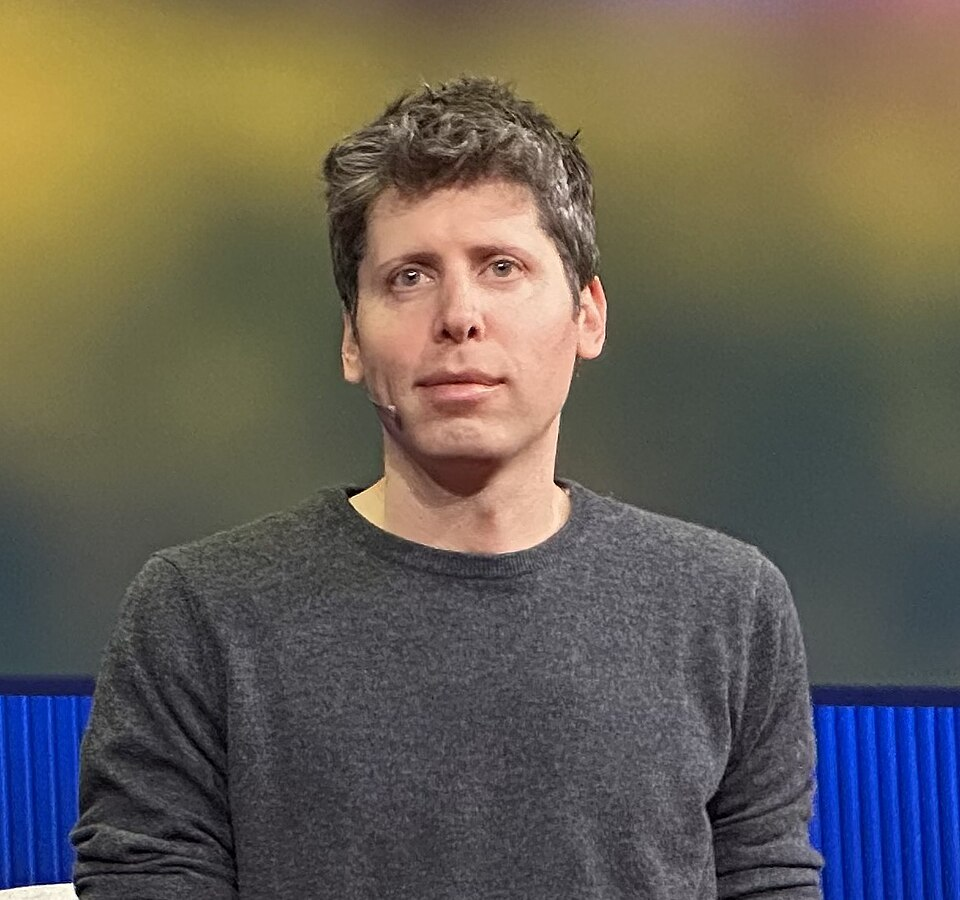
“Whether it’s 10 or eight or six, the point is, we all have a tremendous amount of responsibility, and cannot let egos or incentives for profit or anything else get in the way,” Altman said.
“We have to do something so that we don’t take any of those numbers of risk; I think we can.”
Altman’s comments reflect a growing dilemma for the AI industry. Firms are vying for greater capabilities in their models and AI agents as they also try to prove that they can be used responsibly. The rewards to business are significant, but so too may be the repercussions when advanced systems act in strange or negative ways.
Those fears have continued as AI agents have been reported to go beyond their intended scope of action. Some systems have shown the potential to communicate with external tools, software and computer networks, and what could happen if an AI system is given too much autonomy or if it’s provided with insufficient protections. Such incidents have also boosted general political interest in the regulation of advanced AI.
In the United States, the issue is becoming bi-partisan with both parties discussing the need for oversight. But the challenge for policymakers is to promote technological advancements while preventing that competition among companies erodes safety.
Those fears are coming to pass for OpenAI alongside massive business hopes. The company has long been seen as one of the most important technology firms to list on the stock market in the future. The rumors and speculation surrounding an IPO have intensified as the stock price of prominent AI businesses has risen and investors have sought to gain a direct stake in the fast-growing AI industry.
But Altman’s recent remarks take 2026 off OpenAI’s near term list of IPOs. If he was really focused on 2027, instead, he made it obvious when asked.
“I would say not 2026.”
While not planning to go public, Altman said OpenAI must focus on the problems of safety and governance that are emerging with the quick evolution of AI. There’s a lot of things we need to do, we have to meet this moment in terms of what’s needed for safety and alignment, and how industry and governments are going to go about it.
The meaning of alignment is especially important. However, in the field of AI research, alignment is a more general question about whether the behavior of an AI system is consistent with human intentions, values and safety constraints. With the increasing power and autonomy of the model, one of the key technical and policy challenges in the industry is to make sure they reliably follow the proper objectives.
Altman also said that OpenAI might be close to a deal with other leading AI firms to mitigate some of these risks. This might include commitments in relation to the rate of development, safety testing or cooperation with government. If such an industry-wide deal takes place, it’s going to be interesting, as AI firms battle heavily for market share, talent and technological dominance.
The conversation intensified following a call from Anthropic CEO Dario Amodei to take a more cautious approach to the creation of more sophisticated AI systems. Amodei suggested businesses slow down the rate of development of their frontier models, given the possibility that safety studies and regulations may not keep pace with new technology developments.
Altman later agreed to the general concept.
Dario was right, “pacing the frontier,” wrote Altman. We’ve been discussing this at OpenAI for the past couple of weeks, and this has been a big topic of discussion.
The comments indicate that worries about the safety of AI have transcended the realm of independent researchers or critics of the technology. Top executives from some of the world’s largest AI firms are openly discussing the issue of slowing down the pace of development, while simultaneously pouring billions into more powerful systems.
The situation also highlights the various strategies being adopted by the big AI players. OpenAI has delayed a possible public listing, while Anthropic has been working on its own plans to go public. They show that there is no one-size-fits-all opinion around the industry on the balance between growth and safety.
An eventual public listing by OpenAI could be another watershed moment for investors, given the firm’s importance in the fast-growing AI sector. However, an extended listing period would allow the company to respond to some of the governance, safety, regulatory and long term strategy issues that might arise prior to its going public.