For years, people have been fascinated with comparing princess Meghan Markle to her late mother-in-law, Princess Diana. The parallel has resurfaced this year, as the Duchess of Sussex marked her 45th birthday and is continuing to expand her media footprint. In a new biography, these similarities have been investigated in detail, which instead centers on a particular attribute that they both hold in common. The Duchess’ ability to relate to people is extraordinary, as it was with the People’s Princess, says royal writer Simon Vigar.
The book The Four Wives of Windsor, by Vigar, explores the shifting dynamics of ‘the modern monarchy’ and posits that these women who have married into the Royal Family should be credited to as the ones that have shaped the monarchy. He sees this as starting with Princess Diana’s arrival back in 1981, when there was a major cultural change. He proposes that the story went on with the couple of Queen Camilla, the Princess of Wales, and the Duchess of Sussex. In talking about the latter, Vigar claimed the latter actress might have been a great asset to the working Royal Family under other circumstances. He references the early years of her engagement to Prince Harry, as proof of that possibility.
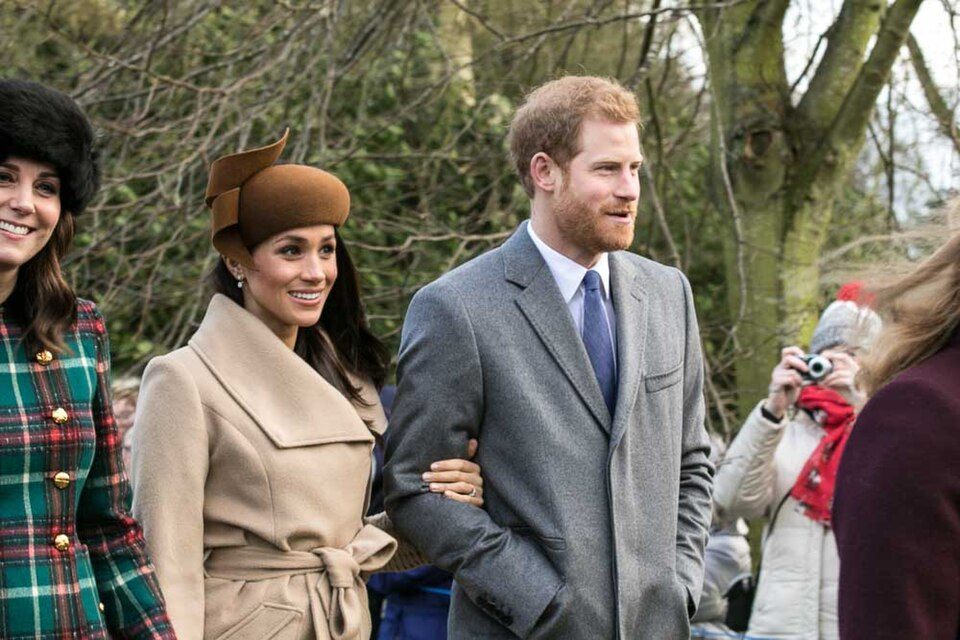
The writer emphasized that she had already gained popularity from the first time she was seen in public. He specifically mentioned their trip to Nottingham in 2017 was a good example of this. Vigar said that “she was really great with the people, with the group.” He continued to assure the Duchess that her power was not because of her Hollywood experience or her celebrity status, but because she was able to relate to people on a personal level. This, he says, was the element that made her so interesting and what might have made her a paradigm for the monarchy. Her approachability, the sense of eye-to-eye contact and the warmth she showed were like the ones which Diana had formed with people of all walks of life.
But Vigar’s analysis is not afraid of the complexities and challenges that ultimately led to the Sussexes’ exit from their senior royal positions. The reason this good start “did not take off” is due to a “clash of expectation and ego on both sides”, he says. He does make an interesting comparison about the Duchess’ background, as he said, “Meghan was a divorcee too” in reference to her former marriage to Trevor Engelson from 2011–2014. He also notes the age gap, “Meghan was older than Diana when she died, when she married Harry in 2018.” The professional culture clash, he went on, was “the fact that Meghan wanted total control with regard to PR, which was not possible within the British royal family.” This basic mindset difference, he says, set the stage for tension and misunderstanding.
Vigar’s telling of the story is one of missed opportunity. He is strongly convinced that the Duchess could have been a big part of the Royal Family: “She would have been a big part of the royal family, it is a crying shame she’s not.” He says, “That should have been a great fit for the royal family, could’ve been a great fit, but there was some egos on both sides.” He describes a broken system in which communication was lacking, leading by 2019 to the situation where “nobody was talking to each other.” Isolation, he implies, had strengthened Harry and Meghan’s feeling that they were on a road where they were feeling isolated, even if they had the potential to bring a modern and fresh perspective to the institution.