China has launched its largest automotive recall campaign to date, with Tesla and eight other automakers preparing to recall about 4.3 million vehicles over concerns that passengers could struggle to open vehicle doors during emergencies. The campaign highlights growing scrutiny of vehicle safety in China as automakers increasingly rely on electronic controls, software and unconventional designs while competing aggressively in the world’s largest automobile market.
Tesla accounts for the largest share of the recall, involving approximately 2.98 million vehicles sold in China. The affected vehicles include China-made and imported versions of the Model 3, Model Y, Model S and Model X. The recall is scheduled to begin on September 25 and focuses on emergency mechanical door releases that could be difficult for occupants or rescuers to identify after a serious collision, particularly when the vehicle has lost electrical power.
The issue has attracted attention because modern vehicles often replace familiar mechanical controls with electronic buttons, touch-sensitive panels and other technology-driven features. While these systems can improve convenience and contribute to sleek vehicle designs, they can also create challenges during a crash, when electrical systems may stop functioning and occupants may need to escape quickly.
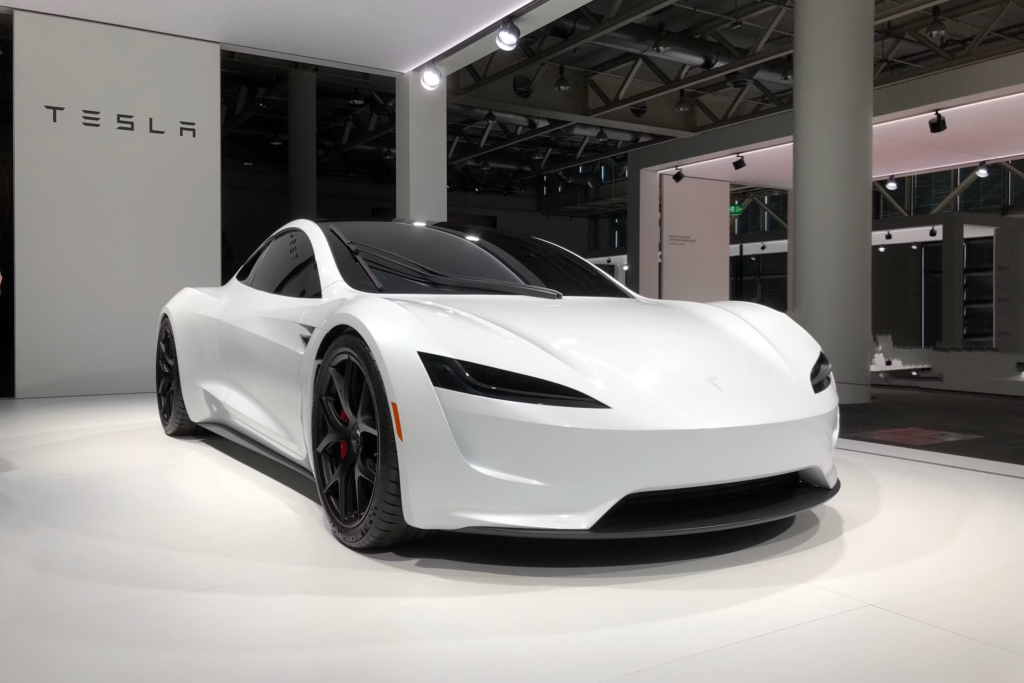
Tesla’s corrective measures will include warning labels designed to make the emergency door releases easier to identify. The company will also introduce a remote software update that can automatically lower the vehicle windows after a collision. The approach illustrates how software has become an increasingly important part of vehicle safety, allowing manufacturers to address certain problems without requiring every vehicle to undergo extensive physical work at a service centre.
The recall extends well beyond Tesla. Xiaomi is expected to recall around 390,000 vehicles, while Leapmotor will recall approximately 371,000 and Xpeng about 264,000. Geely Holding and other manufacturers are also carrying out recalls, although their affected vehicle numbers are considerably smaller. For several of these companies, the campaign represents their largest recall since entering the automotive market.
Not every vehicle will require the same corrective action. Regulators have classified most of the measures as product recalls under Chinese regulations, with solutions ranging from software updates to warning labels and improved markings around emergency door handles. In some cases, manufacturers are addressing both the visibility of the emergency release and the operation of related electronic systems.
Leapmotor said it was committed to safety. It said the upgrade involved only a warning label and upgrading the power-window control software, but that it was “managing and filing it in accordance with the recall process out of a sense of responsibility to our users”. The statement reflects the broader shift in the automotive industry toward treating software and user instructions as important parts of vehicle safety rather than relying solely on traditional mechanical components.
Concerns surrounding emergency door releases have become more prominent following accidents in which occupants were unable to escape quickly. Chinese state media previously reported that the driver of a Xiaomi SU7 sedan died after a crash and fire, with reports raising concerns that people outside the vehicle were unable to open its doors to assist him. Such incidents have intensified public discussion about whether increasingly sophisticated vehicle designs remain practical when a vehicle is severely damaged.
Tesla’s involvement is particularly significant because the company helped popularise flush and concealed door handles, a design that has since become common among electric vehicle manufacturers in China and other markets. These handles contribute to the minimalist appearance associated with many modern EVs, but their reliance on electronic systems has raised questions about what happens when a vehicle loses power during an accident.
China has already taken steps to address those concerns. The country plans to prohibit concealed door handles on new vehicles from 2027, making it the first country to introduce such a broad phase-out of the design. The move demonstrates how regulators are responding to changes in vehicle technology and attempting to ensure that design innovation does not compromise emergency access.
The latest recall also comes at a time when Chinese authorities are increasing oversight of the electric vehicle industry. China’s automotive market has experienced intense competition and a prolonged price war, pushing manufacturers to introduce new technologies and models at a rapid pace. As vehicles become more connected and software-dependent, regulators face the challenge of ensuring that manufacturers maintain adequate safety standards while continuing to innovate.
For automakers, the financial impact of the recall may be less severe than similar campaigns in previous decades. Many of the affected vehicles can receive software updates remotely, reducing the need for customers to visit service centres. Sam Fiorani, vice president of research firm AutoForecast Solutions, said the cost could be limited because modern technology has changed the way manufacturers handle recalls.
“Modern over-the-air updates reduce the costs and downtime associated with major recalls and even the physical work needed to be done will not be very costly compared to significant recalls of the past,” he said.
The use of over-the-air updates is becoming increasingly important as vehicles resemble computers on wheels. Manufacturers can modify software remotely, correct certain operational problems and introduce safety changes without replacing large numbers of physical components. However, the technology also raises an important question about how much responsibility should fall on software and how clearly drivers should be informed when a safety-related update is required.