Selena Gomez and her mother, Mandy Teefey, are facing a lawsuit from two companies that allege they were misled into investing more than USD 1 million in Wondermind Global, a mental health-focused business founded by Gomez, Teefey and entrepreneur Daniella Pierson. The legal dispute centers on claims that investors were given an overly positive picture of the company’s leadership, resources and ability to develop a profitable platform, while the business was allegedly experiencing serious difficulties internally.
The lawsuit was filed by Wondermind SRS 44 LLC and Bespoke Wondermind LLC against Wondermind Global, Gomez, Teefey and Pierson. The investors allege that representations made about the company encouraged them to commit substantial funds. The allegations have not been established in court, and the defendants’ legal responses will be important as the case develops.
Wondermind was created as a platform focused on mental health and emotional well-being, an area that has received increasing public attention in recent years. Gomez’s involvement also brought considerable visibility to the venture because of her global profile and public discussions surrounding mental health. According to the allegations in the lawsuit, investors viewed Gomez’s public promotion of the business as an indication of her significant involvement and confidence in its prospects.
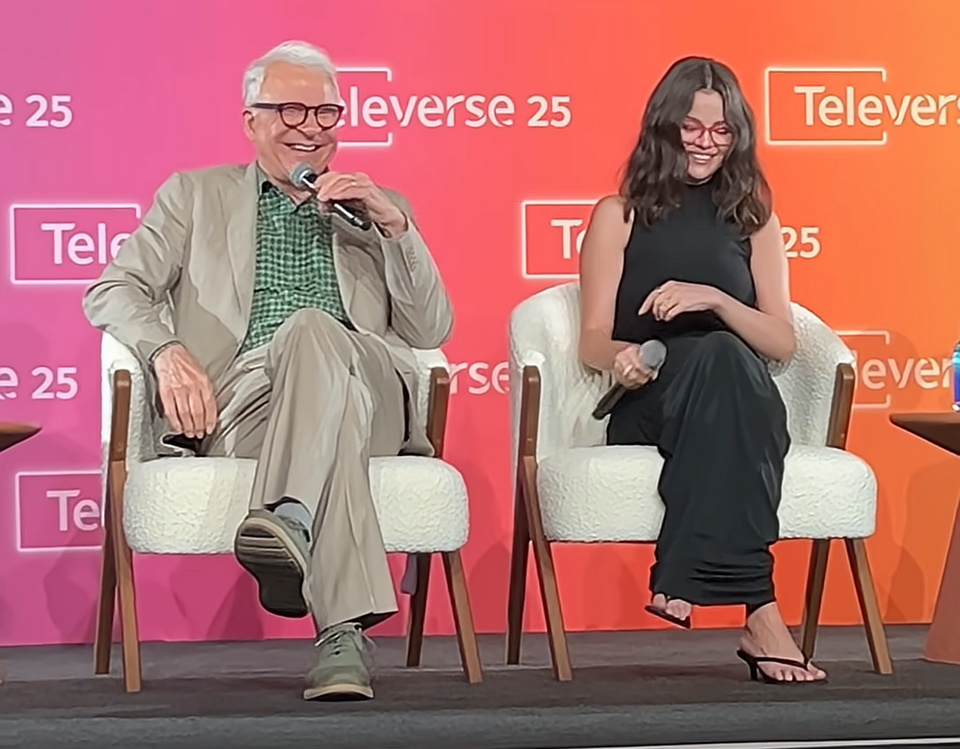
The investors claim that Gomez promoted Wondermind through television appearances and interviews before they committed more than USD 1 million to the venture. Their lawsuit alleges that the information presented about the company did not accurately reflect its financial and operational condition. They further claim that Gomez appeared to be deeply involved with the business but allegedly became less active after the investment was made.
The lawsuit also raises allegations concerning Pierson, who was previously associated with Wondermind. The investors claim that she made representations about her earlier entrepreneurial achievements and the potential financial returns associated with the venture. According to the allegations, those representations contributed to the investors’ decision to put money into the company.
A central part of the legal dispute is the claim that investors were not adequately informed about the company’s deteriorating circumstances. The plaintiffs allege that Wondermind was experiencing significant problems while the investors remained unaware of the extent of those difficulties. The lawsuit states, “for three years, while the company quietly collapsed around them, not one of its founders, officers or directors said a word to the investors whose money was funding the collapse,” as quoted in reports about the case.
The allegations suggest that the investors believe there was a substantial difference between the image of Wondermind presented to them and the company’s actual condition. Such disputes can become particularly complicated when a startup has celebrity involvement, because a well-known founder or public ambassador can create expectations about a company’s visibility, stability and future prospects even when day-to-day management is handled by other executives.
Questions about Wondermind’s internal operations had already emerged before the lawsuit. A September 2025 report by The Cut examined the company’s working environment and described it as being in a “state of utter disarray.” The report, which is referenced in the lawsuit, included allegations concerning management problems and difficulties within the organization.
The lawsuit alleges that the investors learned about the seriousness of Wondermind’s problems only after the 2025 report was published. According to the claims outlined in the legal filing, the report raised concerns about the company’s management, its ability to meet ordinary business obligations and alleged tensions among individuals associated with the venture.
The allegations also involve claims concerning Teefey’s management of Wondermind and accusations regarding her personal conduct. Those claims remain allegations rather than established facts. Teefey has denied the substance abuse allegations and rejected the suggestion that the company was in disarray.
Responding to those accusations, Teefey said, “It’s unfortunate that a few disgruntled employees with an ax to grind can spread lies about me and distort the truth. Even more disappointing that the media is willing to amplify their lies,” as quoted in reports surrounding the dispute. Her response directly challenged the characterization of both her conduct and the company’s condition.
The investors allegedly confronted Teefey after the September 2025 report raised concerns about Wondermind. According to the lawsuit, Teefey attributed responsibility to Pierson, who had already departed from the company. The disagreement over who was responsible for the company’s alleged problems appears to be another significant element of the dispute.
The legal action accuses the defendants of securities fraud and seeks damages that include the return of the investors’ money, along with additional unspecified damages. The precise financial consequences will depend on how the claims develop and whether the court ultimately finds that the defendants violated applicable laws.
For Gomez, the lawsuit adds another layer to a business venture that initially attracted attention because of its focus on mental health and her prominent role in promoting the company. Her celebrity status gave Wondermind substantial public visibility, but the legal allegations now raise questions about the distinction between being a public face of a company and being responsible for its daily operations.
Celebrity-backed businesses often receive significant attention from consumers and investors because the personalities involved can help establish credibility and attract an audience. At the same time, that visibility can create complicated expectations regarding how closely a celebrity founder is involved in management, financial decisions and corporate oversight. The Wondermind dispute highlights why those distinctions can become important when investors later challenge the circumstances surrounding their investment.
The lawsuit also illustrates the risks associated with rapidly developing businesses in the mental health and wellness sector. Companies operating in this space face expectations not only to build a commercially sustainable product but also to maintain credibility because of the sensitive nature of the subject. When financial or management problems arise, questions about transparency can become particularly significant.
At this stage, the accusations against Gomez, Teefey, Pierson and Wondermind remain allegations contained in a lawsuit. Filing a legal claim does not establish that the defendants committed fraud, and the allegations will have to be addressed through the legal process. The defendants may contest the claims, provide their own account of the company’s operations or reach another resolution.