Honda and Nissan are reportedly getting closer on a deal that would involve the Japanese automaker sharing technology in the onboard computer and an operating system in future vehicles. The technology may be used in new vehicles as early as 2029, a report by Nikkei Asia said, as the two companies aim to boost co-operation in the software-intensive, service-driven and highly electronicised car sector.
The proposed deal coincides with software being one of the primary components of today’s car development. Today, automakers aren’t just competing on engine performance, design, fuel economy or driving experience. Customers and manufacturers are increasingly interested in operating systems, digital dashboards, connected functions, driver assistance technologies, and the ability to update the functions of the vehicle via software. The collaboration in this field could help Honda and Nissan reduce development expenses, and they would be trying to catch up with the pace of the rapidly evolving automotive technology.
The two companies are now said to be discussing and/or finalizing the proposed collaboration as early as Monday, though Honda has emphasized that no agreement has been reached. As part of the strategic alliance between Honda and the two partners, the company is talking with Nissan and Mitsubishi Motors about “potential areas of collaboration,” said a Honda spokesperson in an answer to Reuters. This clarification is crucial as the reported plans are not an agreement and may still be discussed.
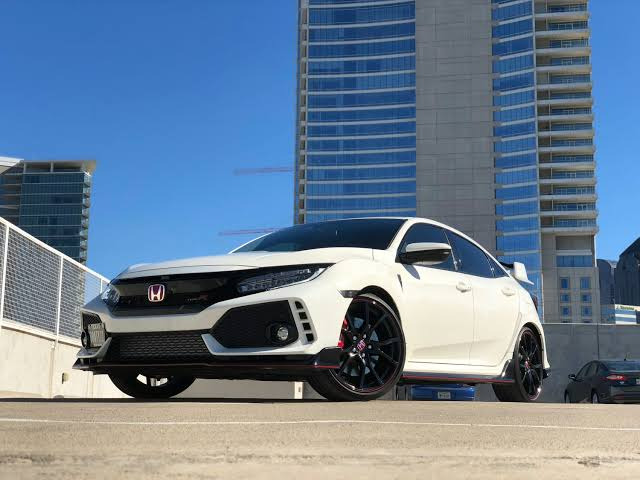
Software partnership is also under discussion, Nissan has said. The Nissan CEO, Ivan Espinosa, stated earlier this month that the automaker was considering the areas of software cooperation with Honda. The two automakers appear to see a chance of collaborating more closely in software development, given his remarks.
The proposed system would likely center on a common operating system and onboard computer system for cars planned to roll into the world by the end of the decade. Such technology, if adopted, may offer a common digital platform for some models made by the companies. Common systems may also eliminate duplication of R&D efforts and enable the engineers of both automakers to focus on technologies that can be common across multiple vehicle platforms.
Automotive technology has been making a significant transformation in recent years. Software in vehicles is becoming a more and more powerful computing system, controlling features from infotainment and navigation to battery management, safety and driver assistance. This change has been expedited by EV’s which are powered by heavily electronic controlled design and central computer power. Consequently, auto manufacturers are making significant investments in software capabilities that can enable connected services and future vehicle functionality.
The timing of the Porsche-Honda-Nissan cooperation is especially noteworthy for Porsche and Honda and Nissan. The two firms are competing in an industry in which automotive giants are seeing growing competition from technology-driven carmakers and fast-growing EV makers. Creating complex software internally can be expensive, demanding specialized engineers, and years of testing. There is an opportunity to share some of those costs as well as shorten development timelines through cooperation.
A shared vehicle operating system may also influence the customer’s interaction with their vehicle in the long run. Today’s car buyers are looking for applications as user-friendly as their cell phones, as easy to connect, and as continually improving, as their car is.Today’s car buyers are increasingly wanting smartphone capabilities, seamless connectivity, and constant improvements after purchase. A software-defined vehicle could be updated without needing a trip to the dealership, meaning manufacturers could help improve functions of a vehicle or add new features throughout its lifespan.
But creating a common system between two major carmakers is no easy task. Honda and Nissan have distinct architectures, engineering practices, software needs and brands. It would have to be flexible enough to accept various models and have the distinct features of each manufacturer. But cybersecurity, data protection and system reliability and compatibility would also be major factors as more and more features of a car come to rely on software.
It is important to consider the reported cooperation in light of the companies’ past efforts to strengthen their ties. The two automakers started considering a much wider mix of possibilities, and ultimately dropped plans to merge. The firms had agreed to end this negotiation more than a year ago, but the transaction would have made an automotive group worth about $60 billion.
A merger did not occur, however the end of the mergers did not rule out the potential for cooperation. Rather, the companies have kept on looking for more specific areas in which collaboration might make business or technological sense. In software development, therefore, it may be possible for Honda and Nissan to collaborate in a more focussed manner, without the need for them to merge all their operations.
Mitsubishi Motors is also linked in with the wider strategic pact between Honda and Nissan. Honda is said to be talking with its partners Nissan and Mitsubishi Motors about possible areas of cooperation. The three all-Japanese automakers will have the opportunity to share technological investment and development expertise, though it’s unclear just how much Mitsubishi will be involved in a software sharing project.
Cooperation may be especially beneficent to Nissan, as the automaker strives to shore up its position amid high industry pressures. The automotive industry is enduring a high development cost, shifting consumer trends, and increased competition in the connected and electric vehicle space. Transferring the development of the technology to another existing manufacturer might enable Nissan to use resources more effectively.
At the same time Honda is going through a major transformation as it diversifies into software-based mobility and electrification. The company has been emerging on technologies for the next generation of cars and software is more and more becoming a key element of the company’s long-term strategy. But collaborating with Nissan could help supplement those efforts and provide both companies with a wider range of engineering expertise.