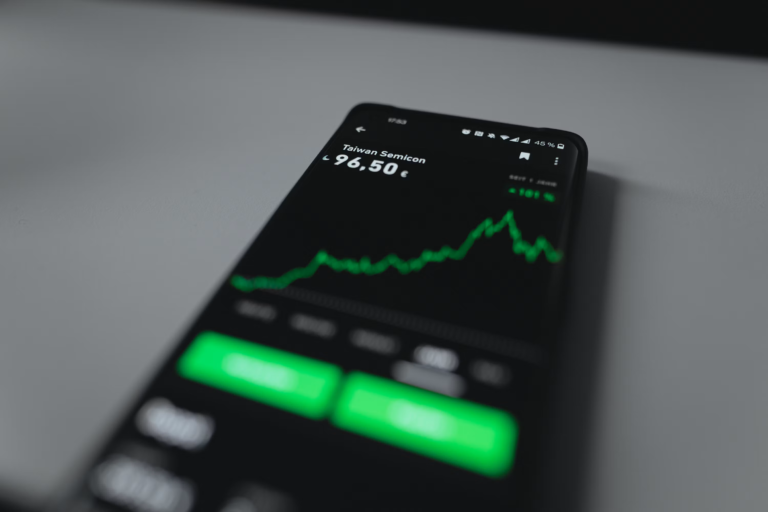
The company has found itself in a precarious situation as it could lose almost half a trillion dollars in value in the wake of a disappointing forecast that has left investors in doubt and has thrown into question the viability of its growth path. The Cupertino-based tech giant plunged nearly 10 percent in one trading day, the most volatile drop since the market panic that followed the world’s pandemic in March 2020. The abrupt and sharp decline in investors’ confidence is largely because Apple has disclosed it’s facing severe supply chain challenges at the same time that the AI craze is straining components across the world.
This seemingly enormous potential value erosion, when considered in the proper context. If the downturn continues during the trading day, it will be the biggest one-day drop in company history, and the loss of an astonishing $500 billion in market value. That would essentially return the crown of the world’s most valuable public company to Nvidia, the company behind AI chip technology that’s been benefiting from the generative AI craze. The symbolic nature of this shift is hard to overstate, because it marks something fundamental in the tech landscape, where it’s now more important to innovate in hardware and make semiconducts count than to build an ecosystem and lock consumers into devices.
The challenges to Apple’s supply chain are especially significant in light of the company’s reputation for operational efficiency and mastery of its supply chain under the leadership of its current CEO, Mr. Cook. Cook, a long-time supply chain queen who is set to retire as CEO in September, called the shortages “very significant” and admitted the company had few choices about how to deal with them. It’s noteworthy that this announcement comes from a leader who excelled as optimizing complicated worldwide supply networks, and ensuring that Apple can keep up with the skyrocketing consumer demand during the toughest times.
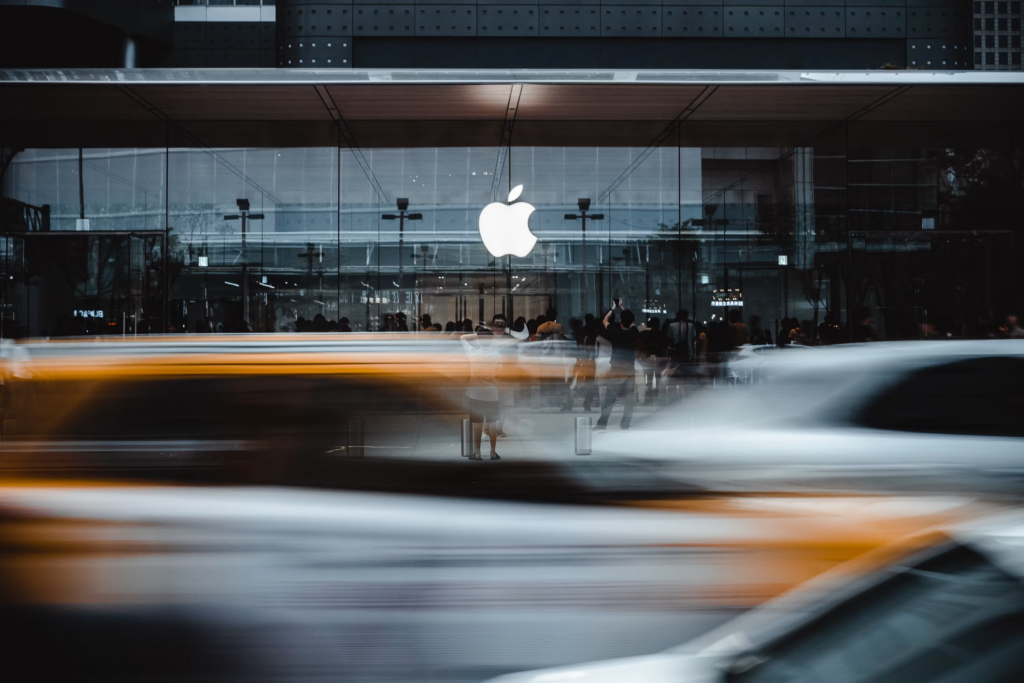
More worrisome news for industry watchers is Apple’s failure to overcome these hurdles, which is normally a benefit for the company because of its size and scale. “It’s really bad for everyone if even at Apple’s size they are claiming they are losing all the flexibility of the supply chain,” said Ben Bajarin, CEO of tech consulting firm Creative Strategies. The assessment highlights a wider structural imbalance in the global technology supply chain, and a systemic nature of the current shortages, far beyond Apple’s immediate operations.
The main reason for these disruptions is the enormous demand for state-of-the-art chip manufacturing and high-speed memory in the artificial intelligence data centers of the big tech giants. With AI-driven data center growth, traditional consumer electronics firms are now rivaling cloud service providers and AI firms for a limited set of resources. The event has contributed to a shortage and price hike in the semiconductor market, which is expected to narrow the personal computer and smartphone market this year. With the iPhone and Mac as its key products, Apple’s need for processors and memory chips to keep up with demand in its business could not be worse.
Apple had been able to dampen some of the blow from soaring memory prices by selling off items from its stores acquired during periods of lower prices, thus offering a temporary respite from the high cost of chips. But Cook has said this stock cushion is quickly drying up and is putting the company at risk of shortage of components as demand from consumers is growing significantly. This demand-supply mismatch has left a potentially frustrating situation in which Apple’s products enjoy strong consumer interest, but the company’s ability to satisfy that demand is falling short of the number of units it has for sale, causing sales to be missed and consumers to be disappointed.
The company’s forecast, which was added to worries about investors, had Apple’s revenue rising between 9 percent and 11 percent in the current quarter, below the consensus estimate of about 12 percent predicted by Wall Street. The company’s June quarter results were solid, but the disappointing prospects for growth were the dominant factor and cast doubt on Apple’s near-term growth prospects. Those who had been accustomed to Apple continually surpassing their targets were left with a future that was now less predictable, as the firm’s growth is becoming more dependent on outside influences that are out of its control.
Perhaps most disappointing for investors is the lackluster performance of Apple’s services business, which is traditionally a well-known growth cornerstone and margin-booster for the company. Services revenue, including income from the App Store, Apple Music, iCloud and various subscriptions, is one of the more cyclical businesses for Apple; that is, it relies on hardware sales more than other types of business. The deceleration in this division coincided with the quarter’s robust iPhone sales, making this a somewhat paradoxical situation because of the lack of service revenue growth despite the hardware growth. This discrepancy has sparked concerns that Apple’s ecosystem approach may be running out of steam or that the company is having more structural problems with monetising its growing customer base.
Apple’s leadership change from Tim Cook to John Ternus is just another challenge to its current position. Cook’s likely departure from the CEO position is a difficult time for the company, as they face a number of challenges along the supply chain, increased competition, and changing consumer preferences. Even in the wake of its enormous profits and loyal customer base, Ternus will inherit a company laced with significant headwinds, having played a key role in creating many of Apple’s most successful products. As Apple transitions leadership, it has been questioned whether its direction will continue, and what its next steps will look like as AI is in a constant state of change.