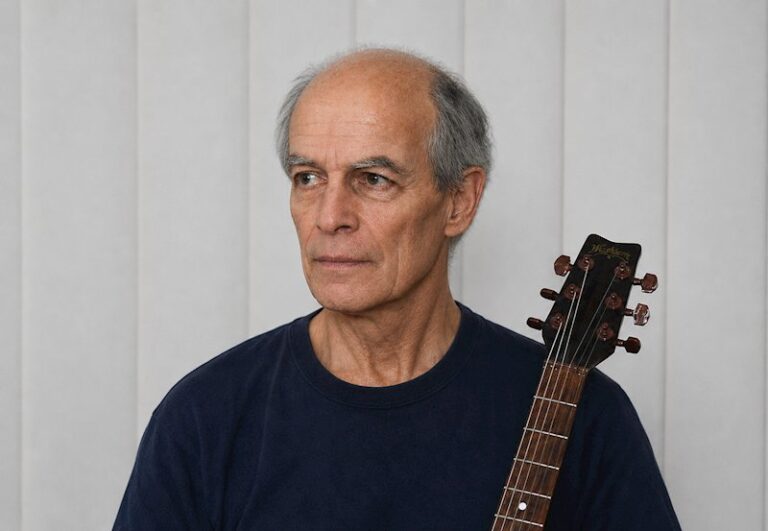
For over a decade, Sky Xu has operated from the shadows, quietly building Shein into one of the most formidable forces in global retail while carefully avoiding the spotlight that typically accompanies such meteoric success. That carefully maintained anonymity is now facing its most significant challenge yet, as the fast-fashion behemoth he founded prepares for a Hong Kong initial public offering that could value the company at up to fifty billion dollars. The approval secured on Friday marks the company’s third attempt at going public, following earlier efforts in New York and London that ultimately failed to materialize. This time, however, the stakes feel different, and the scrutiny on Xu himself has never been more intense.
The founder’s aversion to public exposure has become somewhat legendary within industry circles. Xu has steadfastly avoided interviews, steered clear of public events, and maintained virtually no visible digital footprint. Even as Shein’s valuation soared and its influence spread across markets worldwide, the man at the helm remained an enigma. When the company was pursuing a New York listing, Xu brought in Donald Tang, a former banker and media executive, first as senior advisor and later as executive chairman, to handle the relationship management with politicians and investors. This delegation of public-facing responsibilities allowed Xu to continue operating behind the scenes while the company navigated the complex regulatory and political landscapes of Western markets.

Yet this strategic aloofness has not always served the company well. Western partners and stakeholders have frequently expressed unease about the lack of accessible information regarding Shein’s leadership structure. Political figures and campaigners in both the United States and Britain cited the opacity surrounding the company’s governance as a significant concern during previous listing attempts. The absence of public information about who actually leads and owns Shein created an information vacuum that critics were all too eager to fill with speculation and skepticism. For a company seeking to establish itself as a transparent, trustworthy global entity, this presented a fundamental challenge that no amount of corporate spin could fully address.
The contrast between Xu’s personal invisibility and Shein’s global visibility could not be more stark. While the company has become a household name among younger consumers worldwide, its founder remains largely unknown outside of business circles. This paradox has fueled endless speculation about Xu’s background, motivations, and leadership style. What is publicly known comes from scattered Chinese media reports, which indicate that Xu was born in 1984 in Zibo, a city in China’s eastern Shandong province. These reports also suggest that Xu’s mother worked in a garment factory, potentially providing him with early exposure to the industry he would eventually revolutionize. Beyond these fragmentary details, however, Xu’s early life and education remain largely undocumented, adding to the mystique surrounding his rise.
Interestingly, Xu did make one notable public appearance in February of this year, delivering a speech to policymakers at the Guangdong High-Quality Development Conference. On that occasion, he spoke about Shein’s investments in its supply chain, which is heavily concentrated in thousands of garment factories located in the southern Chinese city of Guangzhou. This rare foray into the public eye offered a glimpse of Xu as a strategic thinker committed to strengthening the company’s operational foundations. But it was a fleeting moment of visibility, and Xu quickly retreated back into his accustomed anonymity afterward.
Shein’s corporate governance structure presents an unusual picture for a company of its scale. The company has pledged to increase transparency, yet Xu’s name does not appear on its corporate website. The governance section contains no information about who owns or leads the organization, a departure from standard practice among publicly traded companies. This absence is particularly striking given that Shein’s co-founders include Maggie Gu, now general manager; Molly Miao, chief marketing officer; and Tony Ren, chief supply chain officer, all of whom played crucial roles in building the company alongside Xu from its Nanjing origins in 2012. At that time, the company operated under the name Sheinside, focusing on selling affordable fashion to international customers through e-commerce channels.
The Hong Kong listing represents more than just a financial milestone for Shein. It signifies a coming of age for a company that has matured from a Chinese startup into a truly global enterprise. The valuation of up to fifty billion dollars would position Shein among the most valuable fashion companies in the world, rivaling established industry giants that have operated for generations. But this transition from private company to public entity demands a level of transparency and accountability that Xu has historically resisted. The question now is whether he can adapt his leadership style to meet these new expectations or whether he will continue to delegate public engagement to others while maintaining his personal distance from the spotlight.
Market observers have noted that the timing of this listing attempt may prove advantageous. Global consumer spending on fashion continues to show resilience, and Shein’s proprietary supply chain model, which enables rapid production and delivery of trend-driven merchandise, has demonstrated remarkable efficiency. The company’s ability to generate data-driven insights about consumer preferences and translate those insights into production decisions within days has given it a competitive edge that traditional retailers struggle to replicate. For investors, Shein represents exposure to a business model that has disrupted conventional retail paradigms and captured a significant share of the global fashion market.
Nevertheless, challenges remain. The company has faced criticism regarding labor practices within its supply chain, environmental concerns related to fast fashion, and questions about intellectual property infringement. These issues have attracted attention from regulators and advocacy groups in multiple countries, and they are likely to receive increased scrutiny as Shein prepares to become a publicly listed company. Investors will demand clear answers about how the company addresses these concerns and what governance mechanisms are in place to prevent future controversies. Xu’s role in overseeing these matters, or his lack of direct involvement, will inevitably become a topic of discussion.
The Hong Kong IPO process will require Shein to file detailed prospectuses that disclose substantial information about its operations, financial performance, and corporate governance. While this documentation will provide investors with previously unavailable insights into the company’s inner workings, it may also expose Shein to greater regulatory oversight and public examination. Xu, who has spent his entire career operating outside the glare of public scrutiny, must now decide how much of himself he is willing to reveal to a global audience of investors, analysts, and journalists. The carefully constructed walls around his personal life and professional activities may begin to crumble as the company’s listing proceeds.
What makes Xu’s situation particularly noteworthy is the broader context of Chinese entrepreneurs navigating international capital markets. Several prominent Chinese founders have faced challenges adapting to Western expectations of corporate transparency and CEO accessibility. Xu’s approach of maintaining distance while delegating public engagement to trusted intermediaries is not unique, but it has proven less successful in Shein’s case than in those of some comparable companies. The resistance from political figures in the United States and Britain suggests that simply appointing a well-connected chairman or advisor may not be sufficient to address governance concerns in today’s regulatory environment.
The company’s supply chain remains concentrated in Guangzhou, where thousands of garment factories operate under Shein’s direction. This concentration provides operational efficiencies but also creates vulnerabilities that competitors and critics have not hesitated to highlight. Xu’s speech at the Guangdong conference emphasized the company’s commitment to investing in its supply chain partners, indicating a recognition that Shein’s success depends heavily on the health and stability of these relationships. Whether such investments will be sufficient to address concerns about working conditions and environmental impact remains to be seen.
Shein’s journey from Nanjing to global prominence reflects both the opportunities and challenges of modern e-commerce. The company’s algorithm-driven approach to fashion retail has earned it a devoted customer base and impressive financial returns, yet the same qualities that have driven its growth have also attracted scrutiny from those who question the sustainability of the fast-fashion model. Xu’s challenge now is to balance these competing pressures while navigating the treacherous waters of an IPO that will expose his company to unprecedented levels of examination.