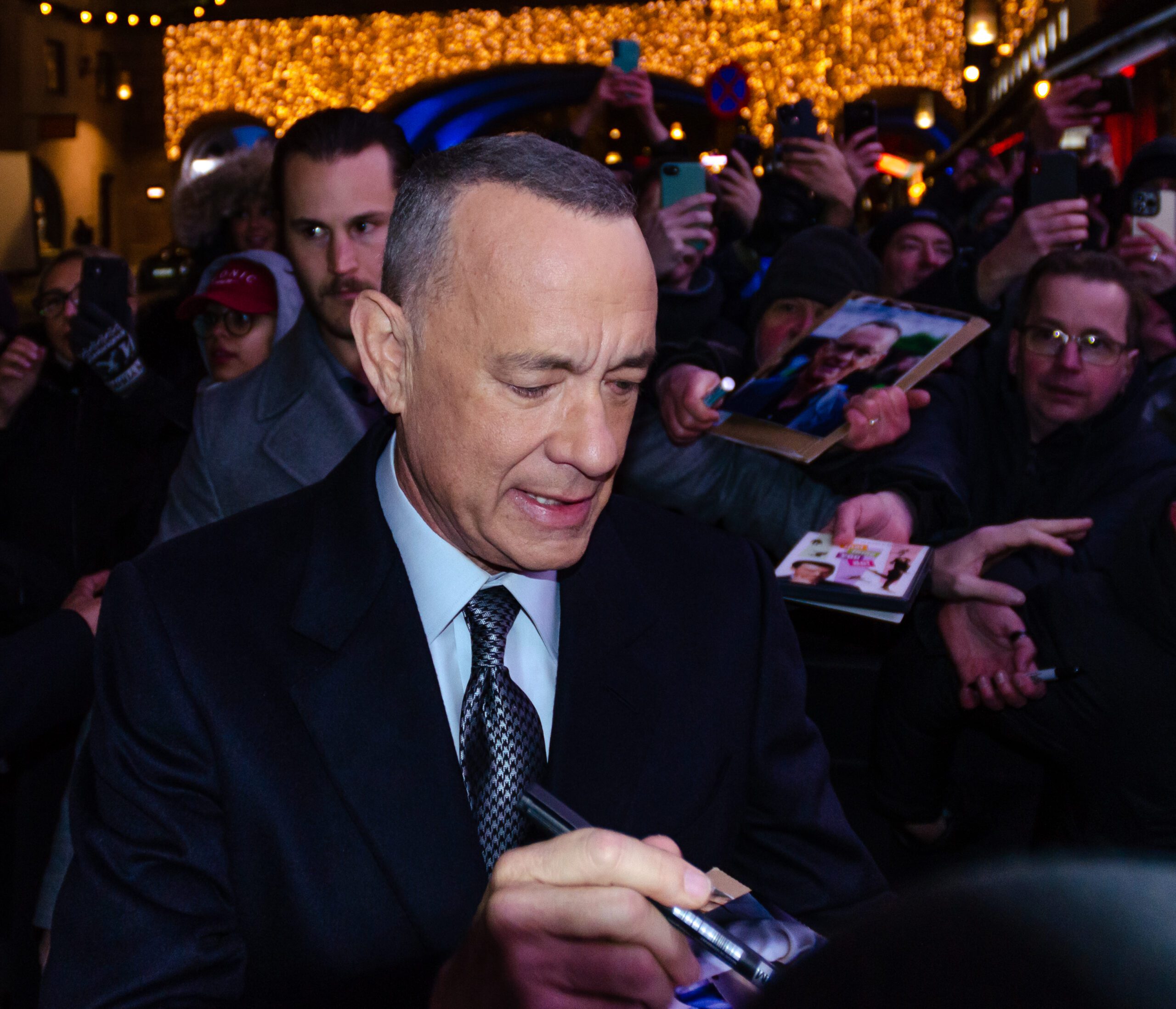
AI and Hollywood have become a compelling topic to consider the future of performance and the legacy of art. In a recent interview, the voice of iconic character Sheriff Woody in the beloved Toy Story franchise, Tom Hanks, revealed how frightening it is to think that AI might be able to replicate his voice for future films. Hanks’ idea is truly terrifying, and his forthright remarks give insight into a new worry among actors in the entertainment industry: the impact of this new technology.
Hanks, who has had the opportunity to bring the pull-string cowboy to life through all five movies, was resigned and uneasy about how easy it was for the studio to duplicate his voice. He told Entertainment Weekly that “all of the words we have ever put in time in Toy Story are on digital media somewhere. The ease with which this material is available is a blessing and a curse for artists who have developed their reputations on their own personal style and acting. “Basically, the studio has a lot of his voice in the library that was recorded over the decades, so they could theoretically assemble any type of performance they wanted without having to have him in the studio at that time,” Hanks went on to explain. It is not just a possibility in the future, this is something that Hanks is well aware of could happen to him one day. He spoke about this with grave seriousness, saying time could not defeat him, but that the technology exists to preserve and recreate his voice, and that this is no longer “permanent”, but rather “disturbingly malleable.”
The actor’s concerns come amid a broader discussion in the industry regarding the ethics of using AI in creative endeavors. The use of AI voice replication is seen by studios as a way to save money on franchise extensions or generating new content, but for artists like Hanks, it has significant implications. Even with the most advanced technology, digital recreations cannot fully capture the subtle inflections, the emotions, and the spontaneous reactions inherent in authentic human performance. What Hanks is really saying is that he’s afraid he’ll turn into a “disembodied voice” devoid of artistry and meaning in performance. Co-production without the actor’s voice may be called into question for creative integrity and the likelihood of audience believing the synth performances to be real.
Asked if he would do Woody again for a sixth film, Hanks was once more introspective about the creative choices that would lead to such a venture. If you’re gonna make another Toy Story, it better be something serious,” he said with the gravity of a man who takes The Toy Story franchise seriously. This has become apparent in this view, in that the actor is invested in the long-time success of the Toy Story franchise and in keeping the films’ artistic integrity. It’s hardly just a business or contractual thing for Hanks; it is about making sure there’s something of value added to the story with any new addition to the franchise. His words echo the notion that creative projects need to have a purpose and meaning, and not just be forms of advertising and ‘nostalgic attachment’.
But Hanks did not take his oath lightly, and he recognized the fact of the entertainment industry, which is a huge business. “I mean, it’s a big corporate business, I’m not gonna discount that. But unless it’s good, new, fresh, there’s no reason to do it at all,” he continued, balancing a recognition of business necessity and expansion with a call for undiluted creativity. This duality embodies the conflict many artists endure when striving to be a creative force in a large studio system where finances and creativity often clash. Hanks has been in this game for decades, and has a point of view that is shaped by having seen success and failure in Hollywood’s business model.
The Toy Story series has been one of the most successful and highly praised animated films in cinematic history, with each film setting new standards for animation and storytelling. Toy Story 5, which will arrive on June 19, is another milestone in the history of the franchise, as it becomes the highest opening weekend grosser in the franchise history worldwide. The newest installment is helmed by Andrew Stanton, who was joined by co-director McKenna Harris, and it shows, these characters and their world are not going out of fashion. In fact, Hanks’ remarks take us back to the core questions surrounding authenticity and the human aspect of storytelling, beyond the numbers and the technicalities.
The rapid evolution of AI poses a challenge for the entertainment sector as they find themselves in a position to leverage this technology while maintaining the authenticity and impact of performance and art. The lesson to be learned from Hanks’ reflections is one of the dangers of relying on technology at the cost of human art. The joke, which the film’s title plays on, is that the technology that will immortalize performances will actually devalue the performances by taking away the magic that makes them memorable in the first place. The actor’s openness about these concerns reflects a transparency about the challenges facing his profession.
The implications are not just to individual performers, but to questions of copyright, likeness rights, definition of authorship in creative works, etc., from the industry point of view. The laws and ethics that regulate such use of actors’ voice and image are still lagging far behind, as the technology to replicate them grows more and more accessible. The case of Hanks and Toy Story highlights how profound the influence of established intellectual property and iconic characters can be when it comes to AI and potentially being used for eternity without original performers’ control. Such a situation introduces uncomfortable issues of consent, compensation and even artistic ownership.