SpaceX has already determined its IPO price at a hundred thirty five dollars per share, a week early. This is virtually unheard of for those who have watched Wall Street’s dance around pricing an IPO. Typically, the price comes after hours-long talks with underwriters and institutional investors, but Elon Musk’s rocket company has announced it in public like any other product release. The kind of move is refreshing and a bit unsettling if you’ve been witnessing bankers’ control for years over every squeak of a deal.
The offering would be the largest in history, having a value of seventy five billion dollars, or an implied value of one point seven five trillion dollars. For any company, let alone a company still involved in the high-risk, capital-intensive business of space transport and satellite Internet, those are staggering numbers. The first thing I had to do when I saw the valuation multiple was to remember some of the other mega IPOs I’ve been around in recent years. No one aspired to this sort of ambition. Both analysts and investors have observed off the record that the multiples are very high, but there hasn’t been the same level of skepticism. It is a strange thing that SpaceX’s rules are not the rules that are followed by everyone.
The IPO is different from others because of two things – the early notice and the implications it has for the nature of power being moved away from traditional bankers. The revised IPO prospectus, which also came through on Reuters earlier in the week, essentially skipped the typical book building process in which underwriters assess demand over a period of days. The company is basically telling the market the price in advance and whether or not you want to pay that price. It takes a Founder – someone who has been proven again and again to do the seemingly impossible things, from landing rockets upright to launching astronauts on commercial missions.
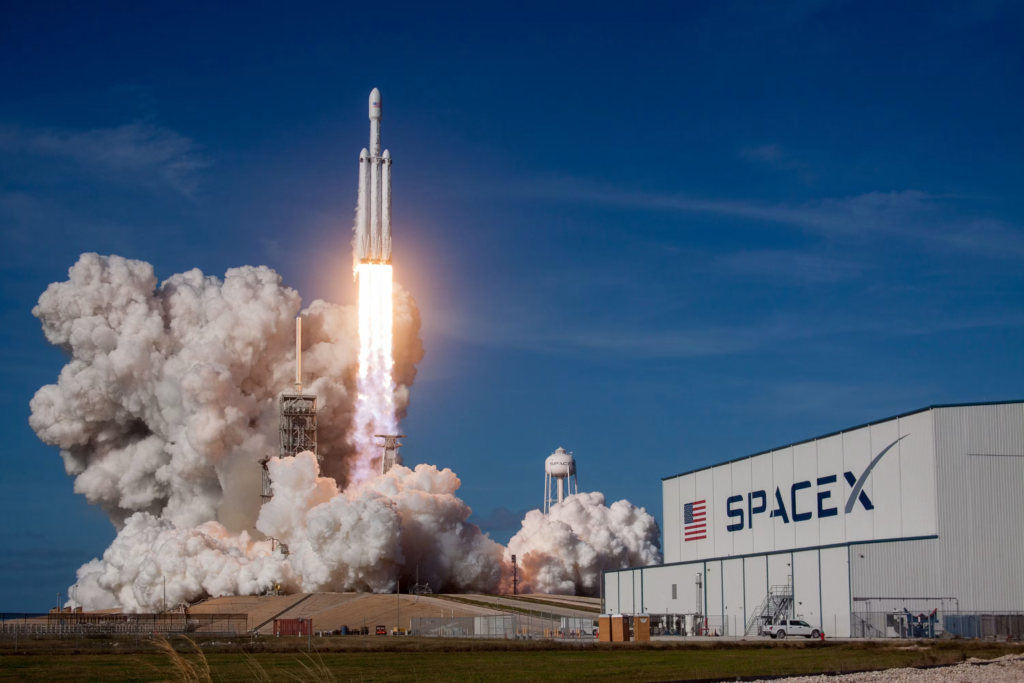
According to Echo Wang and Milana Vinn, there are very few, if any, precedents for the decision in major U.S. IPOs. It might be said that because Musk is a financial adventurer with a golden touch it is possible, but there’s a more subdued worry waiting under the fervor. Growth will have to be virtually flawless for years to come when a company is valued at one point seven five trillion dollars. While the space company’s satellite internet service is gaining momentum rapidly, it has regulatory challenges and will also be competing with other internet service companies in the space. Though dominant, the rocket launch sector is also cyclic and subject to government contracts and commercial satellite operators.
Those who were involved in private secondary round investments have already made significant paper gains, and the IPO provides a definite out at a premium for them. The math gets more complicated for new buyers entering at a price of $135 per share. Do they pay for the current business or for the promise of the massive next generation rocket Starship that has blown up during test flights, but keeps making steady progress towards launch? It’s a blend of reality and vision that makes SpaceX so intriguing and challenging to value using traditional yardsticks.
It has turned Wall Street’s price discovery process upside down, and some traditional bankers may be chewing their molars. However, strategically speaking, the price is announced in advance, so there is no drama when it comes to the final night before trading. No last minute cut prices, desperate attempts to “anchor” investors. The number is well-known and market participants can decide on their own whether the demand is there or not. In theory, that transparency is good for smaller investors who tend to feel shut out of the murky IPO process.
But, opponents could argue that the price is too early to be taken away from the offering. If the market sentiment cools down this week, it might find itself in a situation where the price of SpaceX is not in line with actual demand. But Musk has never been a man to back down from the beaten track. “Elon is not going to fit in Wall Street’s box, he is creating his own box, and he is challenging the street to get in,” said one space industry analyst. That’s the tension encapsulated in the quote from Reuters that originally came in the reportage. The sentiment is of respect for the ambition, as well as a practical concern over the ability of the valuation to sustain once trading starts.
The most salient takeaway for the average investor, rather than the institutional investor, might be that of timing and conviction. How many times have we waited for the “right” time to take the leap, only to find it is gone by the time we’re ready? SpaceX had no intention of waiting, however, and its courageous move will either be regarded as a stroke of genius or a misjudgment of overconfidence. This company wants to raise $75 billion, and the agreement gives it a valuation of $1.75 trillion. No matter the outcome of the first day of trading, those figures will reverberate through board rooms and trading floors for years to come.