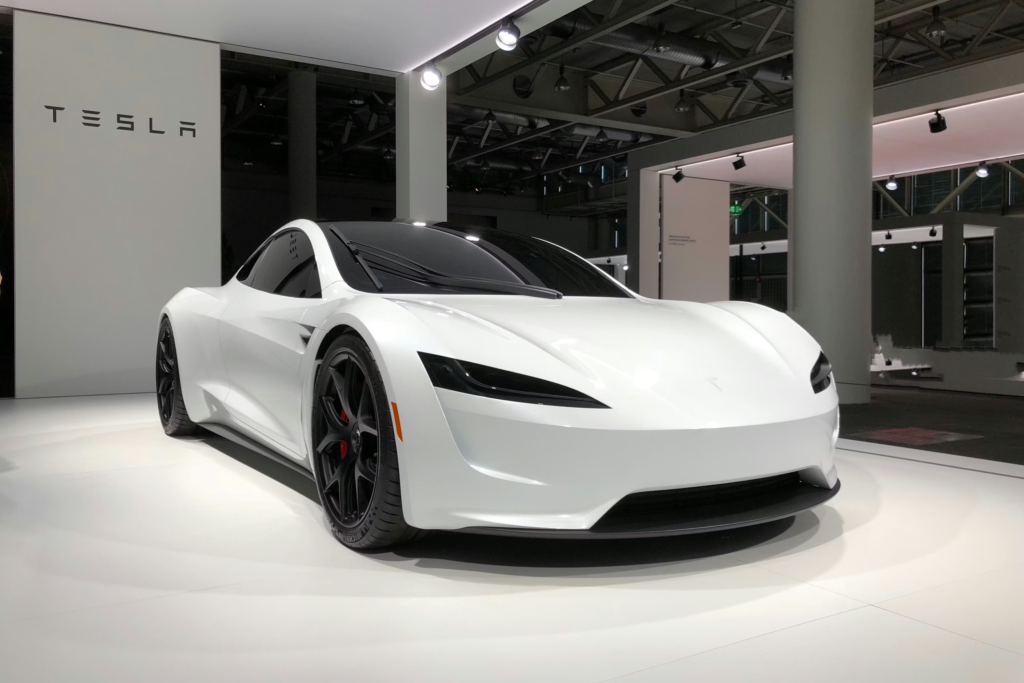
Tesla has made a major step in its international expansion process, with its managed self-driving software officially licensed to be used in the Netherlands. It is the first instance of such technology to pass regulatory scrutiny to operate in Europe and represents a tentative yet promising development in the way regulators in the region are starting to regard advanced driver-assistance systems. The permission will permit Tesla vehicles that have its Full Self-Driving Supervised system to be used in highways as well as in urban streets, although a human driver should be vigilant and available to take over any time.
The move comes after over 18 months of extensive testing and evaluation and regulatory inspection by the Dutch vehicle authority, RDW. This extensive review process is an indication of how the European regulators take the issue of road safety and new automotive technologies seriously. Europe is not like other markets that can quickly shift to innovation; it likes to first validate the innovation citing the safety of the people. In a bigger sense, this approval is not as much of a breakthrough, but rather a payoff of the back-room work that has been accumulating over the years.
Fundamentally, Full Self-Driving Supervised system created by Tesla is aimed at aiding the drivers in performing functions like steering, braking, and accelerating. Although the phrase self-driving tends to evoke the image of completely autonomous vehicles, the situation is not that simple. The system is still under active human control, so it is more of an advanced driver-assistance feature, not a completely autonomous solution. This is a major difference especially in Europe where regulators are keen to ensure that they do not over-sell the abilities of such technologies. It also underscores a larger fact in the present condition of autonomous driving: although the development is very fast, it is not yet fully autonomous and free of a human operator.
The Dutch authority stressed the possible advantages of the system and said, “The correct use of this driver assistance system has a positive impact on road safety, RDW said in a statement on Friday, further adding that it would also make an application to have the technology used all across the EU. This remark is a moderate view, taking into consideration both the promise and the obligation of implementing such systems. It implies that these technologies in the right hands can make driving safer instead of endangering it.
To Tesla, it is much more than just a single country. The Netherlands is regarded as a platform to wider European regulatory acceptance and should the RDW seek to pursue EU-wide acceptance, Tesla may be able to further its software to the continent. The move would go hand in hand with the long-term vision of the company, which puts artificial intelligence and autonomous driving at the heart of its development plan. The valuation of Tesla has always been associated with not only its electric cars, but with the assumption that software-controlled mobility, such as robotaxis, will become a significant source of income in the future.
This development also has a commercial aspect which should not be overlooked. Tesla has been experiencing a difficult spell in Europe, which has experienced declining sales. Part of this could be due to the fact that their electric vehicles are aging and thus it has been more difficult to compete with newer vehicles produced by other companies. Simultaneously, the attitude of customers toward the company and its management has affected the attitude of consumers in some markets. It is on this background that the emergence of advanced self-driving features may be used as a differentiating attribute, which may provide potential buyers with a reason to reevaluate Tesla vehicles.
Interestingly, there is already some recent data which already indicated a potential turnaround. The first increase in Tesla sales in Europe in more than one year in February indicates that the demand could be stabilizing or even recovering. Although it would be too simplistic to pin this fully on the self-driving technology, there is no doubt that innovation is playing a vital role in influencing the interest of consumers. Perks such as Full Self-Driving Supervised not only make the driving experience more enjoyable, but also help Tesla build its reputation as a technology-focused company that is pushing the limits of what cars can achieve.
In a wider-industry sense, the development highlights the increasing role of software in the automotive industry. The cars are no longer characterized by hardware; more and more, software defines the capabilities and performance of a car, as well as its value in the long term. Tesla has led this transition by viewing its vehicles as products that have the potential to be constantly upgraded with new features. The fact that its supervised self-driving system has been approved in Europe also supports the move and shows the way in which the whole industry is moving.
Meanwhile, the reservedness of the approval is a reminder that the trust in autonomous technology is in the process of being developed. The regulators, consumers, and industry experts are all battling a delicate terrain in which innovation should be balanced with safety and accountability. The necessity of human control is not only a technical aspect but also an expression of the existing constraints of the technology and the necessity of responsible usage.
In perspective, the move by the Netherlands may become a catalyst to use in the expansion of the use in the rest of Europe, yet the direction will not be even. Regulations may be applied differently across countries and this creates a patchwork of regulations and time frames. In the case of Tesla, it would mean that though the approval is a milestone, it is just the beginning of a longer process to reach the wider acceptance.