As 2025 comes to an end, Sony is quietly ending one of its newer experiments while also getting ready for what could be one of its most important actions in years. The company’s loyalty and rewards programme, PlayStation Stars, is coming to an end. That can seem like a simple administrative choice on its own. But if you look closely, it seems more like Sony is getting ready for something far bigger: a reinvigorated push into handheld gaming that might change how and where consumers play PlayStation games.
There was some doubt when PlayStation Stars first started. A lot of people were sceptical about the programme at first because it was linked to digital collectibles and NFTs. They weren’t sure if it would be useful. But with time, it changed into something much more useful. The programme quietly built up a dedicated following by letting users earn points by making digital purchases and then turning those points into PlayStation Store cash. For players who commonly bought downloadable material, cosmetic goods, or smaller add-ons, those points made modern gaming less expensive. A five- or ten-dollar credit may not seem like a big deal, but for a lot of people, it was enough to buy that extra skin or expansion without feeling bad about it.
There was also a psychological part that was important. Getting rewards for purchases made them feel like they were being recognised, as if loyalty itself was worth something. But as the months went by, PlayStation Stars started to lose steam. There were fewer rewards, updates took longer, and long periods of inaction made people lose faith. Many users had already noticed that the programme was slowly going away by the time Sony announced its end in 2025. The announcement didn’t startle me as much as it made me realise that digital ecosystems can come and go just as readily as they come.
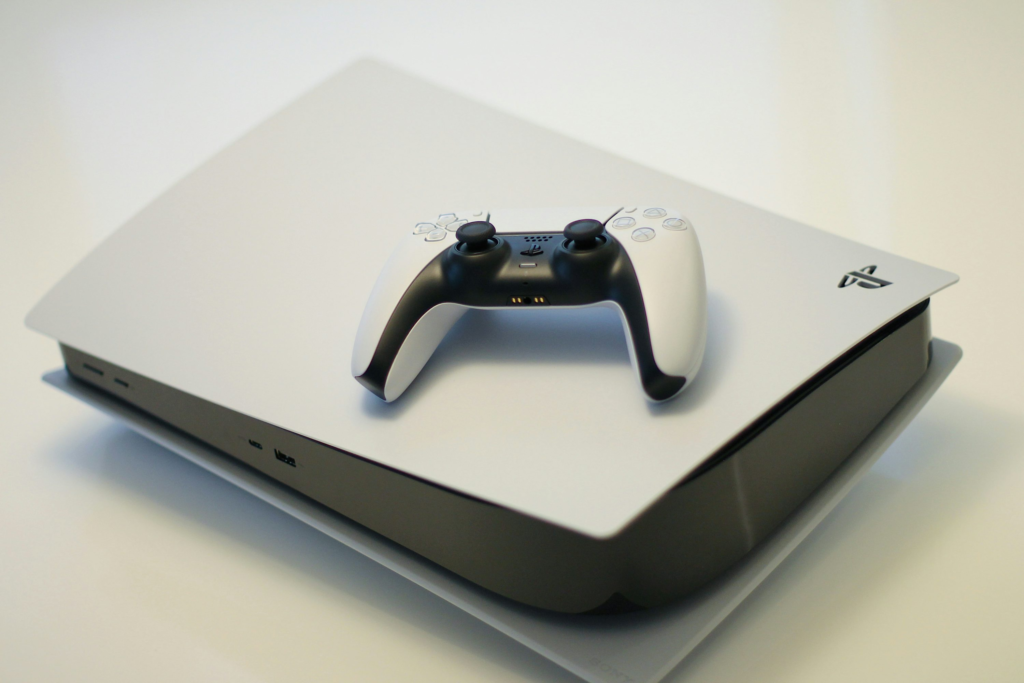
The death of PlayStation Stars isn’t what makes the timing interesting; it’s what seems to be happening at the same time. As Sony wraps down a service-focused project, more and more people in the industry are talking about new hardware. Reports say that a dedicated PlayStation handheld device is in the works. It will be made to compete directly with modern portable devices like Valve’s Steam Deck and Nintendo’s impending Switch replacement. This is a big departure for a corporation that used to stay away from handheld gaming after the PlayStation Vita didn’t do well in sales.
The world is substantially different now than it was when Sony last sought to take over pockets and backpacks. Portable gaming is no longer just about smaller versions of games. Devices now promise access to full-scale, console-quality titles, and players have proved they are eager to accept that idea. It looks like Sony is ready to go back into the conversation with a better idea of what went wrong before and what players want now.
The rumoured device is said to have revolutionary silicon technology at its core, which is said to be part of Sony’s larger plan for the PlayStation 6. Sources in the industry say that two chips, sometimes called Orion and Canis, were made with power efficiency in mind. People say that the Canis processor is especially focused on handheld performance, giving great graphics while using far less power than typical home console hardware. If these allegations are genuine, Sony could have something interesting to offer: a portable PlayStation experience that feels like the real thing instead of being cut down.
This technical trend is important because the main problem with mobile gaming is that it uses a lot of power. Just having good performance isn’t enough. The battery life, heat management, and long-term reliability of a device all affect how useful or annoying it seems. Sony may finally make its console plans match up with portable reality by making gear that balances these needs. The idea would not be to make an exact copy of the PlayStation 5, but to make a version of that experience that works better on the go.
Software continuity, on the other hand, could be what really sets Sony’s handheld apart. This gadget is said to work directly with existing PlayStation ecosystems, unlike older portable systems that needed separate game libraries. If players can get PlayStation 4 and PlayStation 5 games without having to buy them again, the appeal is clear and strong. Portable systems have long been plagued by the annoyance of having to buy the same game over and over. If Sony could get rid of that barrier, it could give them a big edge.
Recent improvements to the system suggest that this plan is coming together. The low-power mode on the PlayStation 5 was advertised as a way to save energy, but it also has a technological purpose. By making games function seamlessly at lower frame rates, like thirty frames per second, Sony is getting its software library ready for portable use. These changes are exactly what handheld systems need to keep working well without using up batteries or getting too hot.
This way of doing things has big effects. For the first time, players could really picture themselves taking big, visually demanding games on the road without feeling like they were getting a watered-down version. Games like Horizon Forbidden West and Elden Ring, which used to only be played in living rooms, could now be taken on trips. That change would not just make things easier; it would also change how PlayStation games integrate into everyday life.
Of course, there is still a lot of competition. Nintendo has been working on the hybrid console format for years, and their next-generation Switch is likely to make the border between home and handheld gaming even more blurry. Valve’s Steam Deck has also shown that gamers want to be able to access vast game libraries on the go, even if it means giving up some things. Sony’s job will be to properly position their handheld such that it offers high quality without being too expensive.
Price will be a big factor. A PlayStation portable probably won’t be as cheap as a Nintendo handheld, but it also won’t be as expensive as a whole home system. Finding that balance will decide if the device seems desirable or easy to use. Sony has an advantage because it has a great catalogue of first-party games and good partnerships with third-party developers. However, the success of its hardware still hinges on how people see its value as much as how well it works.
The issue of focus is equally important. Sony needs to figure out if this handheld is its own platform or just an addition to their console ecosystem. The second option seems more likely and, some might say, more reasonable. A device that works with existing PlayStation ownership instead of against it could make people more committed to the company in ways that PlayStation Stars never completely did.
In the end, the closure of PlayStation Stars seems like a sign of something. Sony is moving on from a small rewards experiment and focusing on something more concrete. A handheld system is risky, especially because Sony’s prior experiments have had mixed results. But the corporation now has better technology, clearer indications from the market, and a generation of players who are used to digital ecosystems that work well together.