The rise of artificial intelligence has spread over the world like a high-voltage surge, and in its wake, a quickly growing network of data centers has formed. These huge digital warehouses, which used to be silent parts of the internet, are now buzzing with the heavy work of AI training, cloud storage, and constant computing needs. As more businesses move their work to the cloud and use AI models that use a lot of energy, a big but mostly hidden problem has come up: the fight to keep these data centers from getting too hot.
After a big outage jolted the financial sector late last week, that problem became impossible to ignore. When one of the facilities that supports CME Group’s operations had a cooling failure, the company’s trading systems suddenly stopped working. CME Group is the biggest exchange operator in the world. Markets need things to be accurate, quick, and dependable. But then, in an instant, trades in currencies, commodities, Treasuries, and equity futures stopped because one data center couldn’t handle the heat. When the temperature gets too high, things like this reveal how weak the digital economy’s backbone may go.
A Texas-based corporation called CyrusOne maintains more than fifty-five data centers in the US, Europe, and Japan. The problem was tracked back to a cooling problem at one of their facilities. The company said on Friday that technical teams had already arrived at the Chicago-area factory and were working hard to fix the cooling system. In principle, their job was simple, but in practice, it was tricky: lower the temperatures before the sensitive circuitry was permanently damaged.
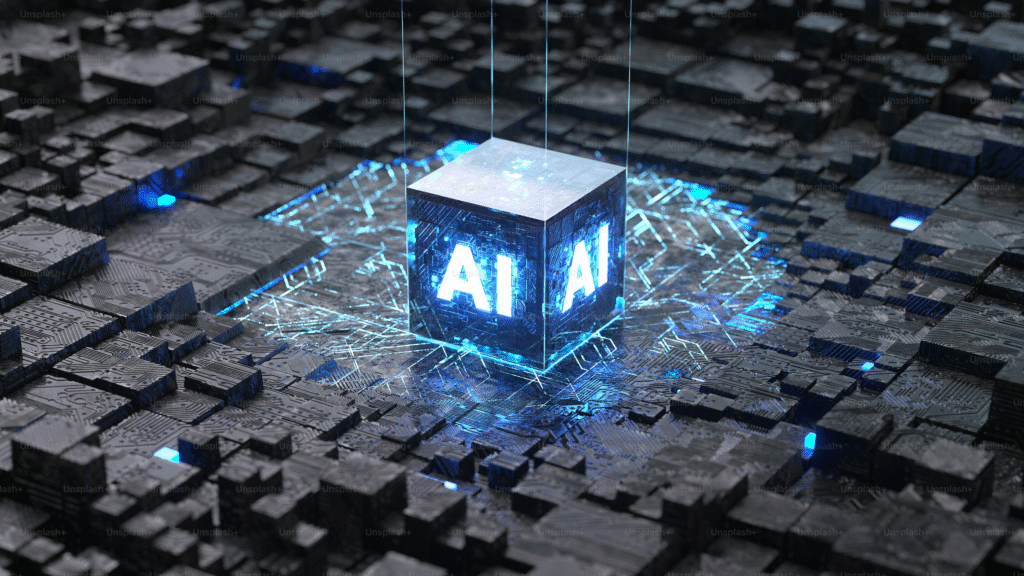
Server racks look like compact rows of metal bookshelves inside every data center. They run all the time, using a lot of electricity and processing data. In exchange, they give off heat that builds up quickly, like the steam from a pressure cooker that never stops. Things that used to be easy to handle with regular air conditioning are now much harder to deal with because of generative AI and powerful cloud computing. These systems use high-performance CPUs that can handle huge amounts of work, and those chips get very hot, which is too hot for many previous cooling technologies to keep up with.
This problem is not only a thought experiment. It has now become a key limit on the future of computer infrastructure. Engineers have to reassess what they thought they knew, investors are more worried about the sector, and regulators are starting to wonder if the current energy systems can handle the next decade of digital development. The scenario has turned something as basic as controlling the temperature into a strategic issue that affects technology, the economy, and even climate policy.
For years, experts have been warning about this danger, but the rise in the use of AI has made it even more important. Daniel Mewton, a partner in the infrastructure, energy, and natural resources group at Slaughter and May, described it this way: “The chips in those data centers need to stay within certain temperatures, or they will either stop working or turn off.” His warning talks about the main weakness. AI chips are made to be fast and dense, but they can’t handle heat. The systems turn off if the temperature goes above safe levels, even for a short time, to protect them. And when those systems run financial markets, healthcare platforms, cloud storage for big businesses, or AI services used by millions, a shutdown can have effects on whole industries.
The fact that demand for computing power isn’t going down makes things even more complicated. Businesses are building bigger AI models, keeping more customer data, and adding more cloud-based services. Every step puts more stress on the physical infrastructure. In many ways, the evolution of society’s digital world depends on an old-fashioned problem: heat.
Engineers are looking for new ways to keep the digital world cool. People are using liquid cooling more often for high-performance semiconductors now that it is no longer seen to be prohibitively dangerous or expensive. Some businesses try using submersion cooling or establish data centers in colder areas to take advantage of natural temperature control. Some people are looking for building designs that spread heat more evenly or use less energy when running AI workloads. Each change helps, but none of them is a complete fix on its own.
In many talks I’ve had with people in the tech community, cooling is rarely the main issue. People talk about what AI can do, the moral issues it raises, or how it could change whole sectors. But those who run the infrastructure talk about heat in a way that makes me think of talks about the risk of wildfires. It could seem far away until the day it messes up something important. After that, it’s all everyone can speak about.
For data center operators, making sure that the temperature is steady already demands monitoring around the clock and teams who can respond quickly in case of an emergency. The recent outage showed how quickly things can go wrong, even for a short time. These infrastructures are very important to modern living, so the stakes are considerable. Data centers are where all the information for hospitals, online schools, entertainment sites, and government records goes. Society feels the quake if they get too hot.
AI promises amazing progress, but the funny thing is that its success depends on the limits of hardware and cooling technologies. The quest for better machines has caused an unforeseen environmental problem. Data centers need a lot of power, and the cooling systems that keep them safe also use a lot of power. This makes many wonder about the long-term effects of digital growth on the environment, the stress it puts on local power infrastructures, and the long-term effects on the environment. Policymakers, environmental experts, and business leaders are starting to wonder how the globe can find a balance between wanting to use technology and having limited resources in the long run.
Engineers and infrastructure specialists are still hopeful, nevertheless. There have been times in the history of computers when it appeared like physical limits could not be broken. Every time, new ideas changed the way things were. The industry will probably change again, either by making chips work better, coming up with new ways to cool things down, or designing smarter buildings. But to move forward, we need to accept the fact that heat is no longer just a side note in the story of AI. It is now a major factor that shapes and makes digital infrastructure more reliable.