The pink carpet may have been rolled up, but the conversations around Barbie’s next chapter are just beginning. Behind the scenes of what could be the most anticipated sequel in recent Hollywood history, Margot Robbie and Ryan Gosling are drawing a line in the sand, and it comes with a hefty price tag. The two actors who brought the iconic doll and her equally famous beau to life are reportedly asking for a combined $150 million to return for Barbie 2, a figure that has sent shockwaves through the industry and left studio executives weighing the cost of a cultural phenomenon against the bottom line.
When the original Barbie film danced its way into theaters, nobody could have predicted the whirlwind it would become. What started as a nostalgic trip down memory lane for those who grew up with the doll transformed into a global conversation about identity, expectation, and the human experience wrapped in plastic perfection. The film crossed the billion-dollar mark at the international box office, a feat that exceeded even the most optimistic projections from Warner Bros. and Mattel. Now, as talks of a sequel heat up, the lead stars are making it clear that they understand exactly what they brought to the table, and they expect to be compensated accordingly.
The negotiation landscape has become increasingly tense as multiple parties try to find common ground. Director and co-screenwriter Greta Gerwig, who masterfully navigated the delicate balance between commercial appeal and thoughtful commentary in the first film, reportedly has a script ready for the follow-up. However, the production has stalled not because of creative differences or scheduling conflicts, but because of the intense financial discussions unfolding between the studio, Mattel, and the film’s two biggest stars.
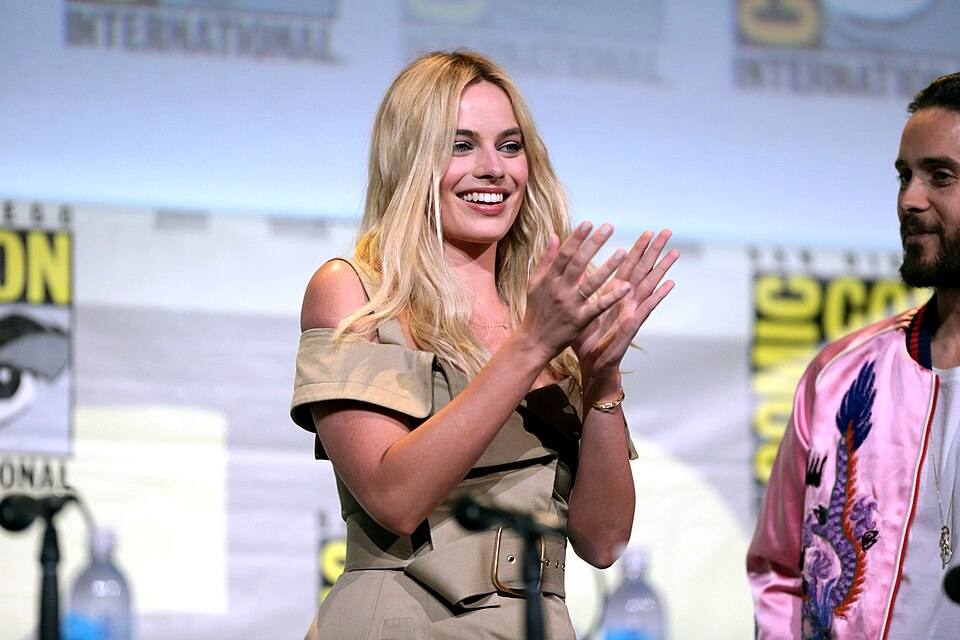
At the heart of the matter is a fundamental question about value. Margot Robbie, who not only starred as the titular character but also served as a producer on the project, is asking for double the $50 million she earned from the first film after bonuses were factored in. This figure represents more than just a pay increase. It reflects her belief that her contribution to the franchise, both in front of and behind the camera, fundamentally shaped what the film became. Sources close to the actress have noted that she feels the original exceeded every expectation and that her involvement as both star and producer should be reflected in a new deal that acknowledges the scale of the success.
Ryan Gosling, who brought an unexpected depth and comedic timing to the role of Ken, is also seeking a substantial increase from his initial $12.5 million paycheck. His reported request for a package worth around $50 million puts him on equal footing with his co-star, a move that signals the changing dynamics of franchise negotiations. When the first film was being put together, many in the industry questioned whether a movie about a doll could resonate with modern audiences. The doubters have since been silenced by box office receipts and cultural impact that few films achieve in today’s fragmented entertainment landscape.
The pressure to reach an agreement before December adds another layer of urgency to these negotiations. According to industry reports, if the studio does not secure agreements before that deadline, the rights to produce another Barbie film will revert to Mattel. This ticking clock places both sides in a position where they must decide whether to compromise or risk losing the opportunity entirely. For Warner Bros., the prospect of losing a proven franchise to its toy company partner represents a significant business risk. For Robbie and Gosling, the deadline provides leverage in their negotiations, but it also carries the weight of potentially walking away from something truly special.
What makes these salary demands particularly interesting is the context of how the entertainment industry has evolved in recent years. Streaming platforms have transformed the economics of film production, and theatrical releases now need to justify their existence with massive returns. Barbie proved that the big screen experience still holds power, but it also demonstrated that audiences respond to something more than just spectacle. The film’s success was built on its clever writing, thoughtful production design, and the performances of its leads, all of which came together to create something that felt fresh despite being based on a decades-old toy.
The actors seem to understand their position clearly. They know that Barbie 2 would be one of the biggest films in development should it move forward. Margot and Ryan feel they helped create a cultural phenomenon, and they expect compensation that reflects that. The studio, for its part, is trying to control costs and maintain reasonable budgets in an era where film profitability can be elusive. There is still optimism that a compromise can be reached, but the gap between what the stars want and what the studio is willing to pay appears significant at this stage.
Greta Gerwig’s role in this equation cannot be overstated. The decorated filmmaker, who brought her signature blend of intelligence and warmth to the first film, will not reveal the script until the studio finalizes the deal. This creates a fascinating dynamic where the creative vision remains locked away until the business side of things gets sorted out. It is a reminder that even in an industry built on artistic expression, the economics often take precedence. Gerwig’s approach also protects her work from being dissected and debated before the financial foundation is in place.
From a broader perspective, these negotiations raise interesting questions about how value is determined in the entertainment industry. The Barbie franchise is unique in that it exists at the intersection of nostalgia, fashion, feminism, and sheer entertainment. The first film managed to satisfy multiple demographics simultaneously, something that few movies accomplish. Children enjoyed the colorful world and simple story, while adults appreciated the clever commentary on gender roles and consumer culture. This cross-generational appeal is what made the film so successful, and it is also what makes the potential sequel so valuable.