Long before Ryan Reynolds became the wisecracking, box-office-dominating star of Deadpool, he was just an eighteen-year-old trying to make a responsible choice. That choice, however, led to a harrowing brush with death that he still carries with him decades later. In a recent and unexpectedly serious conversation with his close friend and Wrexham AFC co-owner Rob McElhenney for GQ, Reynolds opened up about a traumatic event from his teenage years that left him with a shattered body and a profound lesson about the ripple effects of drunk driving.
The actor recounted that he had been out at a bar, where he had only a single beer. Even at that young age, something told him not to get behind the wheel. He recalled looking at his car and making a decision that felt not just wise but necessary. “I thought you know what, I’m not gonna drive anywhere. Even if it’s four blocks home, absolutely not,” Reynolds said. So, instead of taking what would have been a short drive, he chose to walk. It was a decision rooted in caution and a rare moment of clarity for a teenager. Moments later, while crossing a street in Vancouver, a drunk driver struck him. The impact was so violent that the vehicle itself stopped functioning entirely.
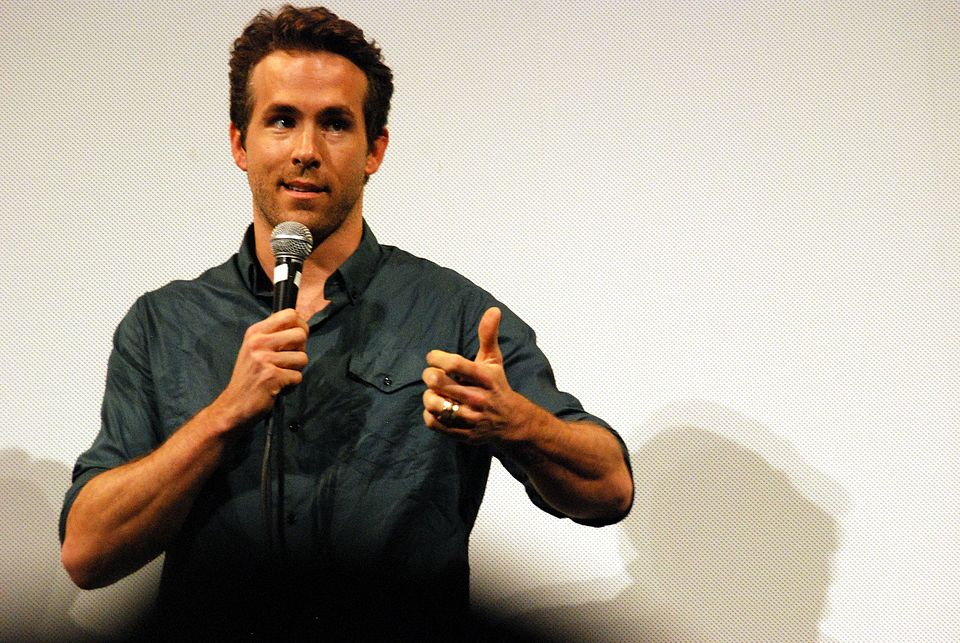
Reynolds described the aftermath with a chilling matter-of-factness that only someone who has survived profound trauma can muster. “I got run over by a drunk driver after making a firmly positive and wise decision for a young, 18-year-old male. Spent four weeks in the hospital,” he shared. McElhenney, visibly taken aback, responded, “That’s the first time I’ve heard that!” Reynolds then added a brutal detail that put the severity of the crash into sharp focus: “Oh yeah, broke every bone in my left side.”
What makes this story so jarring is the irony at its core. Reynolds did everything right. He assessed the risk, acknowledged his limits, and opted for the safer alternative. Yet, he was the one who paid the price for another person’s catastrophic error. This contradiction, he implied, has never left him. The crash broke him physically—requiring weeks of intensive care and recovery—but it also left an indelible mark on his understanding of vulnerability. One moment he was a young man making a mature call; the next, he was lying on the pavement, his body fractured and his future suddenly uncertain.
During the interview, Reynolds also took a moment to express deep gratitude for the medical system in his home country. He specifically thanked Canada’s healthcare system and the doctor who managed his grueling recovery. That acknowledgment felt less like a political statement and more like a man who understands that his survival depended not only on his own will but on the people and infrastructure around him. He did not name the doctor, but the respect was unmistakable. For four weeks, he lay in a hospital bed, rebuilding from the inside out, learning to walk again and coming to terms with how quickly life can pivot on a single, reckless act by a stranger.
This rare confession stands in stark contrast to the public persona Reynolds has cultivated over the years. Known for his sharp wit, relentless teasing of his wife Blake Lively, and a social media presence that blurs the line between marketing and comedy, he rarely allows such raw, unfiltered vulnerability to surface. Fans are more accustomed to seeing him joke about his anxiety or mock his own filmography than discuss a near-death experience from his youth. But here, stripped of humor, Reynolds offered something else: a quiet, powerful warning.
The timing of this disclosure is also worth noting. In an era where celebrities are often criticized for over sharing or turning tragedies into content, Reynolds avoided any sense of performative drama. He simply stated the facts, allowed McElhenney’s surprise to punctuate the story, and moved on. There were no tears, no dramatic pauses, and no calls to action. Yet the message was unmistakably clear: drunk driving does not discriminate between the reckless and the responsible. It can find anyone, at any moment, and erase years of potential in a single second.
Reflecting on the public’s reaction to such stories, there is an understandable but complicated instinct. On one hand, when celebrities like Reynolds share deeply personal accounts of trauma, it can raise awareness in ways that statistics never will. A young fan might remember his story the next time they consider riding with someone who has been drinking. On the other hand, there is a quiet discomfort in consuming another person’s pain, even when offered voluntarily. Are we truly learning from these accounts, or are we simply filing them away as interesting trivia about famous lives? Reynolds likely understands this tension better than most, which may explain why he chose such a stripped-down, unembellished delivery.