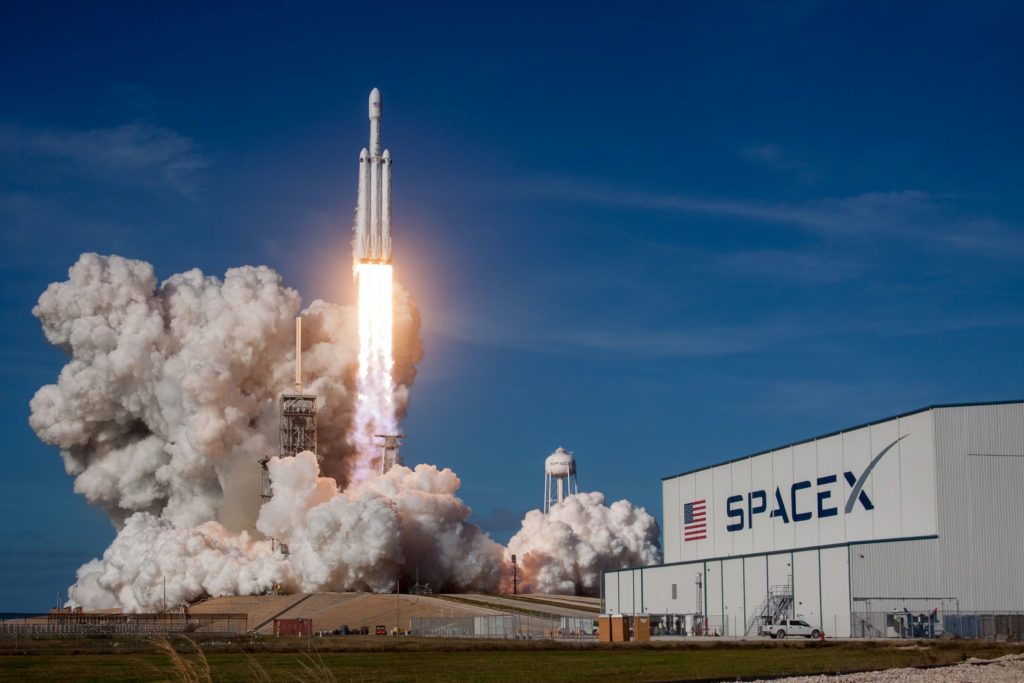
A Danish pension fund that already took a radical step by dumping its US Treasury holdings is now hard-line against investing in Elon Musk’s SpaceX. The fund, called AkademikerPension, which oversees about 20 billion dollars of assets, has decided to move with a full 100% veto on the aerospace company’s eventual IPO. Its chief investment officer Anders Schelde gives two reasons for this: it’s “too expensive,” and its “governance structure has serious red flags.”
When it comes to the planned SpaceX valuation of one point eight trillion dollars, it wasn’t pretty words that Schelde used. He said the company was “grossly overvalued” and added that “the way they are run is disastrous”. This can never work for a pension fund, which must be stable in the long term and is a duty of service to the members. The fact that the decision was made despite Schelde’s admission even if the valuation were lower was even more remarkable. That’s because the governance issues, by themselves, are serious enough, in his eyes. He noted that Elon Musk would control about 80 percent of the voting rights, and he would also be the chief executive officer, chief technology officer and board chair. This is very uncomfortable for an investor such as AkademikerPension, where control is concentrated in so few hands and with such a lack of checks and balances.
This isn’t just some random person’s idea. There are a number of concerns raised by US pension funds similar to these. New York City Comptroller Mark Levine, California Public Employees’ Retirement System Chief Executive Officer Marcie Frost and New York State Comptroller Thomas DiNapoli took to a letter sent to SpaceX May 14th to say that they were concerned with the extreme governance structure at the company. The proposed model, said Mark Levine, lacked sufficient checks and balances on company leadership, and could actually diminish transparency, accountability, and shareholder rights. Thomas DiNapoli noted: “The provisions reported—super voting shares, restrictions on shareholder rights to bring lawsuits—were real threats to long-term investors and any real means of executive accountability. These are not the views of fringe critics; they are those of some of the most seasoned public investment officials in the U.S.
The question of valuations is also complicated, aside from governance. In a self-evaluation, SpaceX is not worth more than one trillion dollars, according to AcademikerPension. The fund thinks that its return justification of being in the IPO at the asking price is simply not worth it. That is, the amount of reward is far less than what the investor would be getting for that amount of risk. Schelde said the pricing seems to be more about the Elon Musk story than the rock-solid business case. That is a eye-catching observation from a veteran investment professional and it’s a sign of a general anxiety that some institutional investors are experiencing about the cult-like fascination some of the more prominent tech founders has grown.
SpaceX’s valuation went up a lot since it bought Musk’s AI company xAI for a trillion dollars in February, including the socials app X and the AI chatbot Grok, Bloomberg News reports. For AkademikerPension, this was just another indication that investors were being asked to receive abnormally low returns for the risks they are taking. The fund, however, made sure to state that its decision isn’t a reflection on SpaceX’s engineering or technological efforts. If the valuation and governance issues were ever put on the table, then the fund would indeed be interested in investing in the company’s innovations, said Anders Schelde. That has significance because it demonstrates that the fund is not considering SpaceX to be a lousy company, just an unsuited company for a responsible, long term investor.
Indeed, the Danish fund has already voiced similarly public opinions on other investments related to Musk. It sold its stake in Tesla last year due to “concerns about the brand and the value of the company. And in January, AkademikerPension said it was selling U.S. Treasuries because of doubts about the creditworthiness of the U.S. government. So, this new action by SpaceX is part of a growing trend of on-the-fence decision making. In the future the fund said it could invest in OpenAI after it goes public. OpenAI may join the fund’s passive equity portfolio if it gets added to the list of market indexes, and could join its actively managed portfolios based on valuation and risk assessments, Schelde said.