Bitcoin’s recent rally is beginning to lose momentum as financial markets rapidly shift their expectations around interest rates in the United States. For most of early 2026, investors believed the Federal Reserve would eventually cut rates to support economic growth. That belief helped fuel gains across risky assets, including cryptocurrencies. Now, the mood has changed sharply, and the bond market is leading that reversal.
According to reports published on May 22, bond traders are fully pricing in the possibility of a Federal Reserve rate hike before the end of the year. Interest rate swaps now suggest that the Fed’s benchmark rate could finish 2026 at least 25 basis points higher than current expectations. This is a major shift from earlier forecasts that predicted multiple cuts during the year.
The same day, Federal Reserve Governor Christopher Waller delivered comments that added to market anxiety. Waller argued that the central bank should move away from any easing bias and reportedly called discussions about rate cuts “crazy” because inflation continues to remain above the Fed’s target while the labor market stays strong. His remarks immediately strengthened expectations that policymakers may keep rates elevated for longer than investors had hoped.
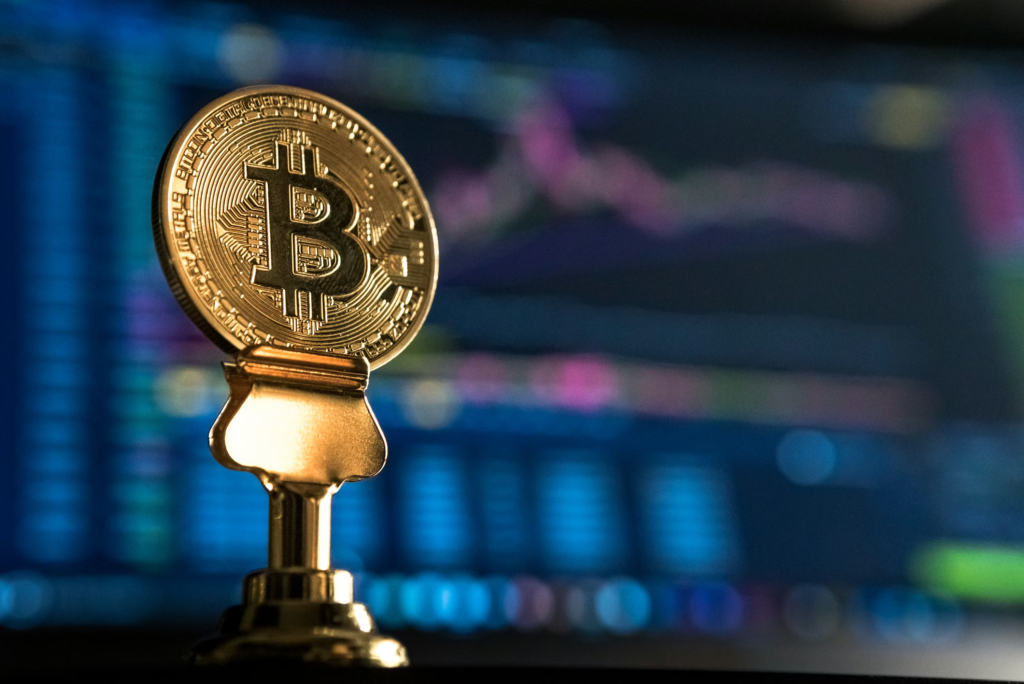
Bitcoin reacted quickly to this changing environment. The cryptocurrency lost its footing around the 76,000 dollar level on May 22 as investors responded to both rising geopolitical tensions involving the United States and Iran and the sudden repricing of Federal Reserve expectations. Traders who had positioned themselves for easier monetary policy were forced to rethink their outlook almost overnight.
What makes this moment especially important is that the bond market now appears to be tightening financial conditions before the Federal Reserve has officially acted. In previous cycles, investors waited for the Fed to formally announce policy changes. This time, Treasury markets are already pushing borrowing costs higher across the economy. The result is a financial environment where risk assets face pressure even before any official rate hike occurs.
Kevin Warsh officially took the oath as Federal Reserve chair on May 22 after receiving unanimous support from the Federal Open Market Committee. His arrival comes during a period of intense economic uncertainty, with inflation concerns refusing to disappear despite earlier optimism that price pressures were cooling. Markets are now closely watching whether the Fed under Warsh will adopt a more aggressive approach toward inflation control.
The broader macroeconomic backdrop for Bitcoin has changed dramatically over the past few months. Earlier in the year, lower inflation readings and hopes for monetary easing created a strong environment for speculative assets. Bitcoin benefited from that optimism as investors searched for higher returns outside traditional markets. However, a five step shift in market expectations has completely altered that picture.
Nomura recently abandoned its forecast for Federal Reserve rate cuts in 2026, citing persistent inflation and rising geopolitical risks. At the same time, CME FedWatch data showed around a 58 percent probability of at least one 25 basis point rate hike before the end of the year. Those expectations pushed Treasury yields sharply higher, increasing pressure on both stocks and cryptocurrencies.
The 30 year Treasury yield climbed to 5.201 percent, its highest level since 2007, while the 10 year Treasury yield reached 4.69 percent, its highest point since January 2025. These numbers matter because Treasury yields represent the so called risk free rate in financial markets. When investors can earn attractive returns from government bonds, speculative assets like Bitcoin become less appealing.
Bitcoin does not generate income or pay dividends, which means its value depends heavily on liquidity and investor sentiment. As Treasury yields rise, the opportunity cost of holding Bitcoin increases. Many institutional investors begin rotating capital toward safer assets that now offer stronger guaranteed returns. This creates a tougher environment for crypto markets that had previously relied on abundant liquidity and low interest rates.
Another important warning sign is emerging from the relationship between stocks and bond yields. Reports showed that the two month correlation between United States equities and the 10 year Treasury yield dropped to negative 0.70, marking the weakest reading since 1999. Charles Schwab strategist Kevin Gordon reportedly placed the rolling 30 day correlation near negative 0.68 and described the situation as a rare structural condition where equities and Treasury yields are moving sharply against each other.
Historically, such negative correlations indicate growing stress inside financial markets. Rising yields tend to hurt stock valuations because companies face higher borrowing costs while future profits become less valuable when discounted at higher interest rates. Since Bitcoin has traded like a high beta risk asset throughout most of 2025 and 2026, weakness in equities often spills directly into crypto markets.
This connection became even more visible after global equity funds recorded their first weekly outflow in nine weeks during the period ending May 22. Investors appear increasingly cautious about holding risk assets while bond yields continue climbing. Bitcoin, despite its reputation as an alternative financial asset, remains deeply connected to broader liquidity conditions.
A Federal Reserve rate hike, or even the sustained expectation of one, creates multiple layers of pressure for Bitcoin. Higher yields strengthen the dollar, reduce investor appetite for speculative trades, tighten financial conditions, and increase competition from safer income producing assets. Each factor reinforces the others, making it harder for cryptocurrencies to maintain bullish momentum.
At the same time, some long term Bitcoin supporters still argue that the asset could eventually benefit from economic uncertainty and concerns about government debt levels. They believe Bitcoin’s fixed supply may continue attracting investors seeking protection from long term currency debasement. However, short term market conditions currently favor caution rather than aggressive risk taking.