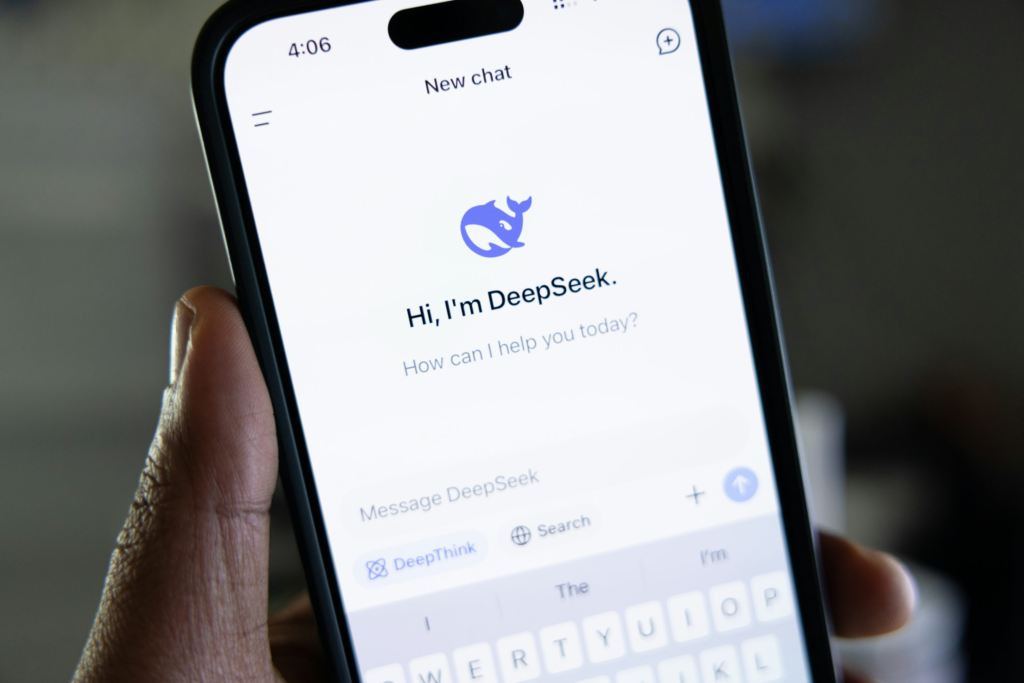
When a company slashes prices by seventy‑five percent and announces the change is permanent, it tends to get attention. That is exactly what DeepSeek, the Chinese artificial intelligence startup, did this week. The company confirmed on Saturday that it will keep the cost of its flagship V4‑Pro AI model at a quarter of its original price, turning what many assumed would be a limited promotion into a lasting shift in how it prices enterprise‑grade AI.
What makes this decision particularly interesting is what DeepSeek did not say. The company issued a statement detailing the new pricing but did not disclose whether the permanent reduction is tied to increased supply of Huawei’s Ascend 950 chips. Those chips matter because DeepSeek has previously said it used the Ascend 950 to maximize the V4 model’s performance. In the world of AI hardware, chip availability is everything. If Huawei has managed to scale up production of the Ascend 950, that would allow DeepSeek to lower per‑unit costs and pass the savings along. But the company left that question unanswered, and in doing so, left room for speculation.
To understand why this matters, it helps to look at the broader chip landscape. Huawei’s AI chip business has been a quiet beneficiary of US export controls that block Nvidia from selling its most advanced semiconductors in China. That restriction created an opening for domestic alternatives like the Ascend series. However, separate US curbs on chipmaking equipment exports have made it difficult for Huawei to ramp up production as quickly as it might like. So a company like DeepSeek sits in a complicated middle ground: it has access to a capable domestic chip, but the supply is not always reliable or plentiful. That makes a permanent price cut either a bold signal of confidence in the supply chain or a calculated move to gain market share before larger competitors catch up.
When DeepSeek launched the V4 model last month, the company noted that the Pro version could cost up to twelve times more than the standard version depending on usage. That gap raised eyebrows at the time, as some industry observers questioned whether the premium was justified by performance gains. With this permanent price reduction, DeepSeek effectively closes that gap while still maintaining a tiered structure. The new ceiling of 6 yuan per million tokens is far more accessible for mid‑sized developers and research labs, not just enterprise clients with deep pockets.
In a statement, DeepSeek confirmed the change without elaborating on the underlying business rationale. The company said, “We are making permanent a seventy‑five percent price cut on our flagship V4‑Pro artificial intelligence model, keeping prices at a quarter of their original level.” That is all the detail they provided. No explanation about margins, no roadmap for future pricing changes, and no confirmation about Huawei’s chip supply. Just a clear, direct announcement.
From a user perspective, the impact is tangible. Imagine a startup building a customer support automation tool that processes millions of tokens every day. At the old Pro pricing, that could mean thousands of dollars per month in API fees. At the new rate, the same usage costs a fraction of that. For larger operations, the savings multiply quickly. That kind of cost reduction can make the difference between a project staying in prototype or moving to production.
That said, there are reasonable questions that remain unanswered. First, is this pricing sustainable if chip supply tightens again? DeepSeek says the cut is permanent, but permanence in AI pricing is rare. Component costs change, demand fluctuates, and companies adjust. Second, what does this say about the V4‑Pro’s performance relative to competitors like Alibaba’s Tongyi Qianwen or Baidu’s Ernie? Lower pricing is attractive, but only if the model delivers. DeepSeek has not released new benchmark comparisons alongside this announcement. Third, how will existing customers with previous contracts be treated? The company did not address grandfathering or transitional pricing for long‑term clients.
On the positive side, aggressive price cuts like this force the entire industry to become more efficient. When a serious player drops prices permanently, competitors cannot ignore it. They either match the pricing, offer better performance, or differentiate in other ways like data privacy guarantees or industry‑specific fine‑tuning. For developers and businesses, that competition is a win.
On the other hand, some in the industry have quietly expressed caution. If DeepSeek is cutting prices this deeply without a clear hardware cost advantage, there is a chance the company is prioritizing market share over profitability. That is not necessarily bad in the short term—many tech companies have done exactly that. But it raises the question of what happens when investor patience runs out or when the next model requires more expensive components.
Public perception so far has been largely positive among developers who have tested the V4‑Pro. Forums and social media channels show enthusiasm about the lower barrier to entry, but also curiosity about the long‑term strategy. A few voices have pointed out that price cuts are easier to announce than to sustain, and that DeepSeek’s silence on the chip supply issue leaves an open question about vulnerability to future production delays.