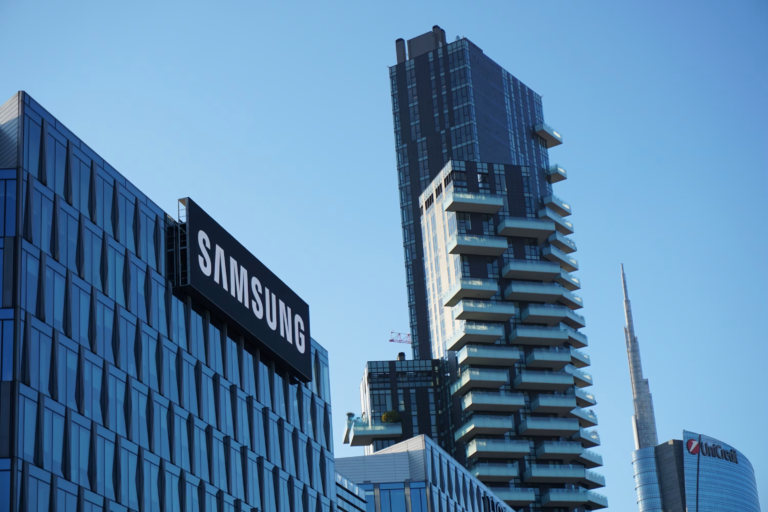
More than forty-eight thousand Samsung Electronics employees are preparing to walk off the job this Thursday, marking what could become one of the largest coordinated labor actions in the company’s history. The strike follows weeks of tense negotiations over bonus payments, which finally broke down on Wednesday despite last-minute intervention from South Korea’s labor mediation authorities. The impending work stoppage has raised serious questions not only about Samsung’s internal labor relations but also about the potential ripple effects across South Korea’s economy and the global semiconductor supply chain.
The dispute centers on a deeply personal issue for thousands of Samsung factory workers and office staff: how their annual performance bonuses are calculated. Union representatives have argued that the current system unfairly penalizes employees in divisions that posted losses, while rewarding those in profitable units. One of the most inflammatory points of contention has been the growing pay gap between Samsung Electronics and its fierce rival SK Hynix, where workers have reportedly received substantially higher bonus payouts in recent years. For many union members, this is not just about money but about respect and recognition within an industry where talent retention has become fiercely competitive.
At a mediation session held earlier Wednesday at the National Labor Relations Commission in Sejong, union leader Choi Seung-ho appeared visibly emotional as he addressed reporters. Bowing deeply and fighting back tears, he said, “I would like to apologise to the public for not being able to produce a good result despite making as many concessions as possible.” He then added, “We will not cease our efforts to reach a deal even during the strike.” His words reflected the frustration many workers feel after months of what they describe as management’s refusal to address the core fairness issue at the heart of the bonus structure.

Samsung management, however, has pushed back firmly against the union’s demands. In a statement released following the breakdown of talks, the company said the union had insisted on what it called “unacceptable demands” that included the size of bonuses for loss-making units. From Samsung’s perspective, rewarding divisions that failed to turn a profit with the same bonus rates as profitable ones would undermine performance incentives and create long-term financial distortions. The company has not publicly disclosed the specific bonus figures being negotiated, but industry analysts suggest the gap between what the union is asking for and what management is willing to offer remains substantial.
What makes this labor dispute particularly significant is its timing and scale. South Korea’s economy relies heavily on Samsung Electronics as a driver of export growth, employment, and technological leadership. A prolonged strike involving nearly fifty thousand workers could disrupt production lines, delay shipments, and ultimately affect global chip supplies at a time when the semiconductor industry is already navigating geopolitical tensions and fluctuating demand. The South Korean government has taken note of these risks and has reportedly warned of issuing an emergency arbitration order that could delay the strike. Such an order, if issued, would temporarily prevent workers from walking out while a binding mediation process takes place.
Still, the union appears determined to move forward. After accepting a final proposal presented by the head of the National Labor Relations Commission, union leaders confirmed that the eighteen-day strike would proceed as planned because management had not budged on what they describe as the last remaining sticking point. Late Wednesday afternoon, discussions resumed with Labour Minister Kim Young-hoon personally mediating, which has kept hopes alive for a deal in the not-too-distant future. Whether those hopes translate into a last-minute breakthrough remains uncertain.
Looking at both sides of this dispute, there are reasonable arguments to consider. On one hand, the union’s demand for fairer bonus distribution reflects a broader conversation happening across many industries about how companies should balance rewarding profitable units while not demoralizing teams in struggling divisions. When workers in loss-making areas see peers at SK Hynix earning significantly more, it naturally fuels resentment and demands for change. On the other hand, Samsung management has a legitimate concern about maintaining accountability and performance standards. Paying large bonuses to divisions that are losing money could create moral hazard and discourage the kind of turnaround efforts the company needs.
Public perception in South Korea appears divided. Some sympathize with the workers, especially after seeing Choi Seung-ho’s emotional apology to the public, which many interpreted as a genuine expression of frustration rather than political theater. Others worry that a large-scale strike at Samsung could damage the country’s economic reputation and discourage foreign investment at a delicate moment. There are also unanswered questions about how long the union can sustain an eighteen-day walkout without exhausting its members’ financial reserves, and whether the government will ultimately step in with that emergency arbitration order.