Samsung Galaxy Z Fold has long been the face of book-style foldable smartphones, but a new development suggests the company may be preparing something notably different. Recent One UI 9 test builds have quietly revealed animations that point toward a wider Galaxy Z Fold model, and the discovery has sparked serious discussion within the tech community.
For years, Samsung’s foldable lineup has followed a familiar formula. The Galaxy Z Fold devices have offered a tall, narrow cover display that unfolds into a tablet-like screen. While this design has earned praise for multitasking and productivity, it has also drawn criticism. Many users have said the outer display feels slightly cramped for regular typing and everyday use. A wider format could address that long-standing feedback.
The latest clues come from internal One UI 9 test builds reportedly associated with Samsung’s upcoming foldable devices, including what is expected to be the Galaxy Z Fold8 and Galaxy Z Flip8. Within these builds, certain animation files appear to reference a foldable device with noticeably wider proportions. While animations may sound minor, in the world of smartphone development they often reveal early hardware direction. Software teams design interface transitions and visual cues around the exact dimensions of a device. When those proportions shift, it usually reflects something intentional happening behind the scenes.
What stands out about this discovery is that it feels less speculative than past rumors. Previously, concept renders circulated online imagining a broader Galaxy Z Fold, but those were largely creative interpretations based on patent filings and industry whispers. This time, the hints originate from Samsung’s own software framework. Even if these animations do not confirm a finalized product, they demonstrate that Samsung has at least tested the idea internally.
From a usability perspective, a wider Galaxy Z Fold could significantly change the user experience. The current narrow cover screen design prioritizes one-handed grip and a comfortable folded footprint. However, it can feel elongated when browsing social media, typing messages, or watching videos in portrait orientation. A wider outer display would likely offer a more conventional smartphone feel when closed, reducing the need to unfold the device for basic tasks.
I have personally noticed that many foldable users treat the outer display as a quick-access panel rather than a primary screen. A broader layout could encourage more balanced usage between folded and unfolded modes. That shift would subtly redefine how people interact with Samsung Galaxy Z Fold devices day to day.
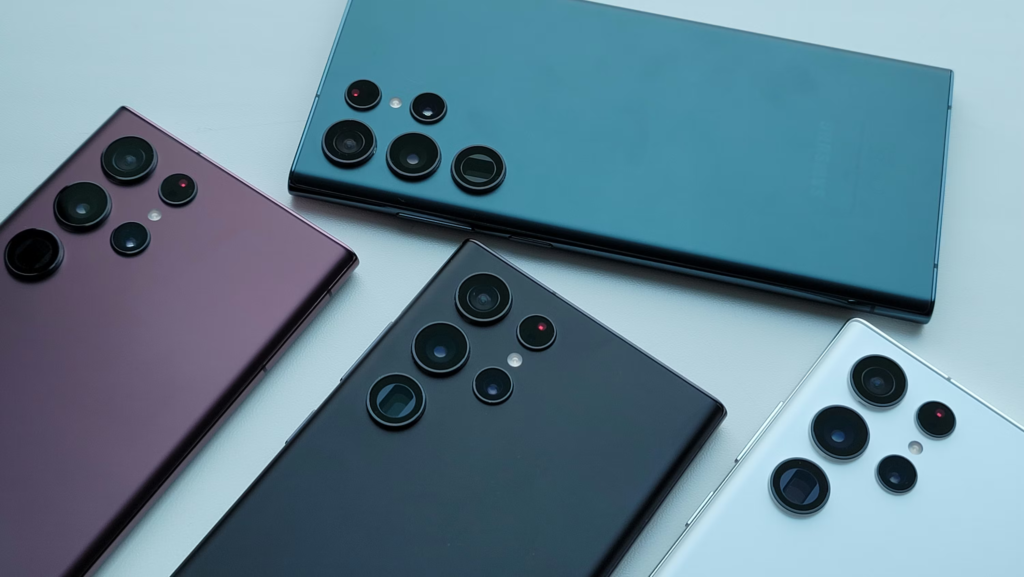
There is also a strategic angle to consider. The foldable market has grown steadily, but competition has intensified. Several brands have experimented with different aspect ratios, and some have already embraced wider cover screens. Samsung, as the pioneer that mainstreamed foldables, cannot afford to remain static. A redesigned Galaxy Z Fold would signal that the company is listening to real-world feedback and refining its approach.
Of course, it is important to remain measured. The presence of animations inside One UI 9 does not guarantee a commercial launch. Smartphone development is filled with prototypes that never see the light of day. Companies routinely test alternative hardware designs to evaluate ergonomics, cost implications, and consumer response. Some ideas move forward; others are shelved quietly.
Timing also remains uncertain. Even if Samsung is developing a wide Galaxy Z Fold, it may not arrive this year. Hardware adjustments of this scale require reengineering of hinges, display panels, internal components, and battery placement. A wider body changes weight distribution and structural stress points, especially in foldable devices where durability is constantly under scrutiny. Samsung has spent years refining hinge mechanisms and crease visibility. Any redesign would need to preserve those hard-earned improvements.
Another factor is software optimization. Foldables rely heavily on adaptive multitasking features. One UI has evolved to support split-screen productivity, floating windows, and seamless app continuity between folded and unfolded states. A different aspect ratio demands recalibration. Developers would need to ensure apps scale naturally without awkward blank spaces or distorted layouts. The fact that One UI 9 already includes animations tailored for a wider format suggests Samsung’s software team is at least preparing for that possibility.
Financial considerations also play a role. Foldables remain premium devices with high production costs. Expanding the width could increase display manufacturing complexity, especially if Samsung aims to maintain high brightness, durability, and minimal crease visibility. The company must balance innovation with profitability, particularly in a global market where smartphone sales growth has moderated in recent years.
Still, the broader industry trend leans toward refinement rather than radical reinvention. Consumers no longer chase novelty alone; they look for practicality. A wider Galaxy Z Fold would not dramatically alter the concept of a folding phone, but it could meaningfully enhance comfort and usability. Sometimes, the most impactful changes are subtle.
It is also worth considering how such a device would sit within Samsung’s overall lineup. The Galaxy Z Flip series targets users who prioritize compactness and style. The Galaxy Z Fold series traditionally appeals to power users seeking productivity and multitasking. A wider Fold might blur that distinction slightly, making it feel closer to a conventional flagship phone when closed while retaining tablet-like versatility when open.
Public reaction so far appears cautiously optimistic. Many enthusiasts have long requested a more practical cover display. However, others appreciate the current narrow design for its unique feel and easier grip. Any shift will inevitably spark debate. Samsung must decide whether broadening the device enhances its identity or risks diluting what makes it distinct.
For now, what we know is limited to subtle software evidence within One UI 9 builds. Yet even small signs matter in technology development. They often mark the beginning of larger transitions. Whether this wide Samsung Galaxy Z Fold becomes a retail product or remains an internal experiment, it highlights Samsung’s willingness to iterate and adapt.
The foldable segment is no longer experimental; it is competitive and evolving. Users expect refinement with every generation. If Samsung does introduce a wider Galaxy Z Fold, it will likely position the change as a response to real-world feedback rather than a cosmetic refresh. And if it ultimately chooses not to release it, that decision would reflect equally deliberate strategic thinking.