The concept of a single “Musk Inc has been floating around the fringes of the investor discussions, tech panels, and even in the minds of Elon Musk himself over the years. The idea conveyed in the vision is alluringly simple: one ecosystem in which the rockets, satellites, artificial intelligence, electric cars, robots, and energy systems all subsistence feed each other. However, at the same time when certain aspects of the Musk empire seem to complement each other, Tesla has a much more complex role. The difference between the personal ventures of Musk and Tesla being a publicly traded organisation that is in a delicate technological and financial transition is that it makes a large-scale merger much more complex.
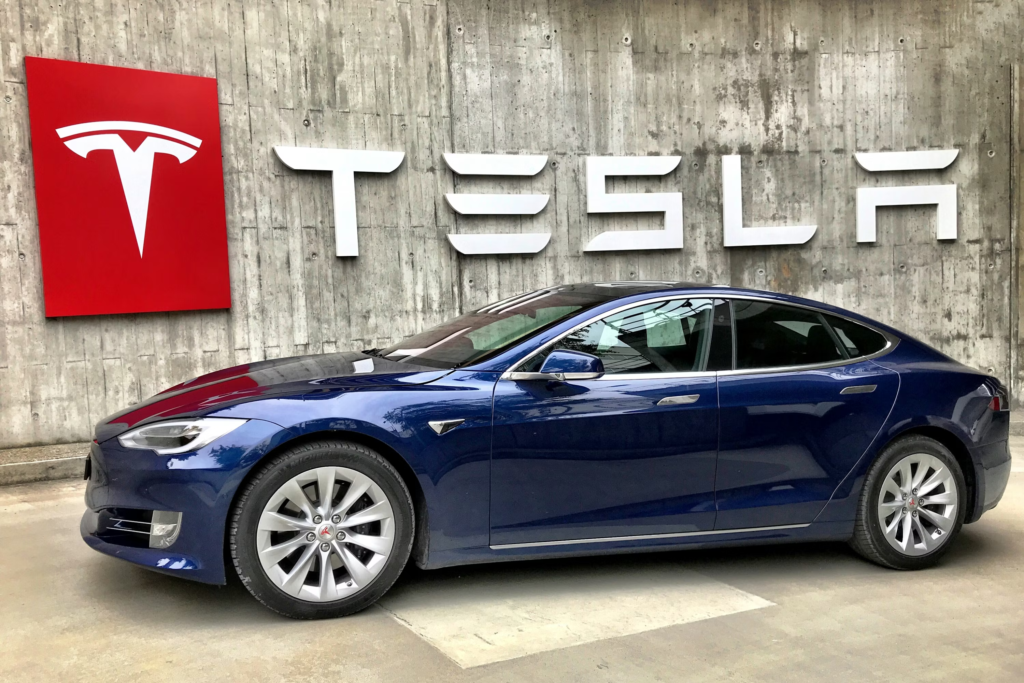
The key issue of debate is timing. Tesla has ceased being the underdog electric vehicle disrupter it used to be. It is a large organization that is constantly being subject to the probe of regulators, stockholders and international markets. Meanwhile, it is also trying to make one of the boldest transformations in automotive history: switching its core competence as a carmaker to a robotics and autonomous mobility enterprise. That change in itself would be a challenge to an organization that is the most stable. Adding another layer or organization of governance, valuation, and regulatory issues that a merger with another company controlled by Musk might introduce Tesla may not be prepared to absorb.
Conversely, the flexibility of Musk in its own companies is much higher. Both SpaceX and xAI are tightly controlled and have a long-term vision guided by Musk instead of quarterly calls to earnings, which can be merged fairly easily. The news that SpaceX is progressing towards purchasing xAI falls very well in this trend. With this step, Musk will be enabled to chase ambitious projects such as putting data centers in space, harnessing the power of the sun in the sky, and decreasing the energy-bound AI systems on the planet. The structural route to the experimentation of these ambitions will be relatively easy regardless of whether they are commercially viable since there is no need of convincing any public shareholders.
However, Tesla should be governed by other rules. Any merger with a firm of this magnitude would have to pass through the approval of shareholders and would most definitely expose any such merger to highly heated debate. This would require investors to be persuaded that the strategic advantages are more than the risks, not only in theory, but in quantifiable financial results. Although Musk has a history of managing to get Tesla shareholders to back long-term bets, even his closest followers note that patience is a virtue when margins are being squeezed, and competitors in the EV market are getting aggressively competitive.
The issue of focus is also provided. The existing roadmap of Tesla is already overloaded. The company is driving to mass implementation of robotaxis, and it is optimistic that it will rely on breakthroughs in full self-driving software. Simultaneously, it is creating humanoid robots that are required in the industrial and possibly consumer markets. All these projects require huge capital, long-term engineering support, and governmental maneuvers. Tesla should consider the risk that incorporation into a larger corporate entity would cause management to lose focus at a time when action and not vision declarations are more important.
That notwithstanding, the combination of Tesla-SpaceX as the strategy of the future is not just a mere daydream. The proponents of a greater convergence stage refer to the fact that satellite connectivity would improve autonomous vehicles, robots, and mobility networks worldwide. Theoretically, space-based communications would provide support to fleets of robotaxis in remote areas or allow the robots to act with limited infrastructures on land. These synergies are nearly unavoidable to investors who see the companies of Musk as part of one technological trajectory.
But inevitability of idea does not imply practicability. The fact that Tesla is worth something does not help. Any merger would have to be negotiated on a careful ratio on share exchange, structures of control and governance rights. It would also raise questions concerning fiduciary responsibility. The board of Tesla would have to show that the move is primarily in the interest of Tesla shareholders and does not serve other interests of Musk. That distinction has got real weight in an era where corporate governance is being scrutinized more than ever before.
This tension manifests itself in the investor sentiment. A lot of investors that are aligned with Musk are also eager to be exposed to all his business empire, but they tend to seek clearer, more specific deals. A SpaceX IPO, such as one, would enable them to invest in the infrastructure of space itself without making that particular bet to the performance of Tesla as an automotive company. Equally, maintaining Tesla as structurally independent maintains the transparency concerning its financial health and strategic focus despite integrating with other enterprises of which Musk is a co-owner in partnerships, rather than mergers.
A cultural aspect also has to be taken into consideration. The employees of Tesla have to work under the pressures of the mass production, supply chain logistics, and consumer markets. SpaceX, in its turn, is more of a high-stakes aerospace lab, in which failure costs a lot, but iteration is anticipated. Bringing together such different operational cultures under the same corporate umbrella might not only not be complementary but might actually be antagonistic particularly at the large scale.
In a wider market viewpoint, conservativeness can even enhance the credibility of Tesla. Since the company is requesting their investors to believe in the future of autonomous driving and robotics, it will be important to keep a focused narrative. Expanding such a story into a giant corporation may raise eyebrows among those who find it tricky to believe such an endless optimism in new technologies.
All this does not eliminate further integration permanently. Assuming that Tesla manages to make its robotaxi model work, balance the margins, and show that it remains profitable even after car sales, the discussion may have a much different appearance. By then a more direct connection between Musk and his space and AI projects could not be viewed as a distraction, but as a natural extension. Up to this point, incremental cooperation seems much more plausible as compared to consolidation in a broad sense.